In today’s world, global organizations face immense pressure to ensure their business is constantly evolving to meet the changing nature of the world. Business growth is driven by dynamic interactions – employees are increasingly mobile, on the road and working remotely to support their objectives.
It is more important than ever to harden access to your video surveillance infrastructure to provide increased visibility and control over the environment.
The European Union’s new General Data Protection Regulation (GDPR) came into effect in May of this year. While many in North America believe that since they are not located within the European Union the regulation does not apply to their operations, the territorial scope of the GDPR is well and truly global. Many of these companies are unaware that the GDPR is applicable to any organization conducting business within the EU, including those simply collecting data there.
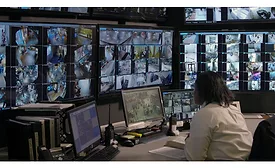
The security operations center is the central nervous system of a security department. From that one room, enterprise security leaders can monitor worldwide risks, address ongoing incidents, track system health and sustain operations across the business.
Though many security managers tend to have tunnel vision on the techy aspects of building a SOC, often the most important things to consider are the most basic and in a command center environment, that begins with an operator-centric design.
Successful strategists in the security arena face the same kind of tactical issues as football coaches. Attackers are skillful, resourceful and motivated success. Football coaches can’t deploy a “one-size-fits-all” strategy, and neither can security leaders. On a macro level, this is called “Risk-Based Security.”
Every day in businesses across industries, there are myriad negative events occurring within a company’s workforce, which can include full-time employees to part-time staff and contractors.