The AES Corporation owns and operates global sustainable energy and thermal and renewable facilities, expanding over four continents and 14 countries with more than 9,000 employees worldwide.
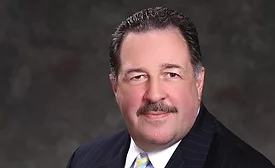
How does Steve Baker, CSO at State Street Corporation, reduce risk, satisfy customers and regulators and provide a safe workplace for employees and visitors?
As CSO, Steve Baker is reponsible for the strategic plans and operations of the Global Security and Investigatives function. How does he guide direction and ensure alignment with the business functions of a successful enterprise?
Today, technology is evolving at a faster rate than ever before. As a result of the rapid rate of change, we are creating an ever-increasing amount of data.
On a recent trip to Australia, I appeared on a National morning news show. It wasn’t long until the hosts were trying to get me to weigh in on a debate that was then raging in their legislature.
End-to-end encryption provides a foundational data protection safeguard, allowing secure data transfer between the sender and recipient while blocking it from external compromise. It also means this data can be inaccessible to law enforcement, who then must find alternative means to access that data.
 RSS
RSS