Emerging video surveillance technology can help communities and businesses remain vigilant in the face of emerging threats. Here are three ways these new kinds of technology improve parking lot security—and even help businesses protect their bottom line.
Artificial intelligence (AI)-based technology seems poised to enhance nearly every aspect of our lives. The security industry is no exception where we see AI-based object detection and classification providing analytics with increasingly reliable data. One of the chief benefits is the reduction of false alarms, and the ability to finally reap the benefits analytics have promised for security and business intelligence.
Today, off-the-shelf commercial drone technology poses a significant threat to governments, corporations and the public. While the positive use cases for deploying commercial drones are many, like all technologies, drones have a dark side that security professionals must prepare for.
The COVID-19 pandemic has significantly changed the travel landscape, impacting the responsibilities and requirements of employers and travel managers. Now more than ever, it is critical for organizations to ensure that they have a robust travel security program in place, to support their Duty of Care agenda and take into consideration best practice travel risk management.
A useful GSOC is one that understands the problem a company wants to solve so that the data collection requirements and analytics are relevant and staff with the right expertise are in place. If you think that establishing a GSOC is the next step for your enterprise, three key elements will determine its success.
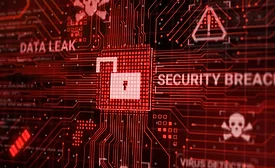
Sumo Logic research reports that 56% of companies with more than 10,000 employees receive more than 1,000 security alerts every day, and 93% say they cannot address all alerts the same day. Cybercriminals are also aware of alert fatigue and count on IT to ignore many security alerts. So, what can you do?
The Broad Institute of MIT and Harvard has served as one of the largest processors of COVID-19 tests in the country. The Security Team has supported these efforts in myriad ways, helping maintain business continuity and ensure campus safety, visitor management, and compliance with COVID-19 safety protocols.
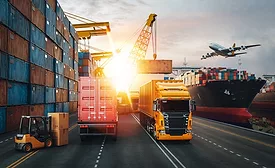
While enterprises around the globe were shutting down and moving to remote work, frontline food suppliers, transport companies and grocery stores didn’t have that ability. AGNE needed to continue to distribute product to independent grocer members as well as its own stores throughout New England and New York, while also dealing with increased freight and procurement demands into the facility.
As a critical business, Associated Grocers of New England needed to continue distribution to independent grocer members as well as its own stores throughout New England and New York, while also managing increased freight and procurement demands into the facility during the beginning of the pandemic. The organization’s Risk Management and Loss Prevention teams stepped up to help.
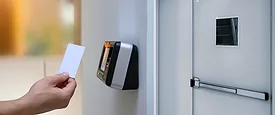
Security spoke to Kimber Goerres, Security Systems Integration & Project Management Lead at Sony Electronics, who has served diligently in her role, ensuring the company’s error or down rate is nominal and establishing the technical security requirements for Sony offices globally. Here, Goerres speaks about her role, establishing technical security requirements and ensuring improved security levels through risk, vulnerability and audit assessments.