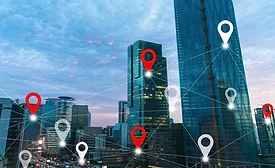
It’s within this expanded terrain for cyberattacks that the security trends of 2021 and beyond are taking shape. Workers are engaging with company resources from diverse locations. At the same time, businesses have ramped up their digitalization journeys to be more flexible and agile after COVID-19’s disruption of supply chains. The result is a dynamic tech environment where the continuity of business operations – and ultimately market competitiveness – will rely on robust cyber protections.
Raquel Brown has taken over as Global Chief Security Officer for Trimont Real Estate Advisors, a provider of commercial real estate credit management, servicing and advisory services. Brown was previously the Managing Director of Cybersecurity at the firm.
As organizations continue to adapt to life in the age of COVID-19, smartphones are set to take on additional responsibilities – even as the security limitations of these devices become ever more evident. Below, I’ve highlighted five key trends that are set to shape mobile security in 2021.
The Asia Pacific compensation survey 2020 conducted in partnership between Asia Crisis & Security Group (ACSG) and Security Management Resources (SMR Group) is open.
Tried-and-true protocols don't work or can't be enforced during a global health crisis. Emergency disaster planning must now expand to consider insufficient hospital capacity, workforce shortages, delays in supplies and materials, and funding shortfalls. Ensure your organization is prepared for the next disaster with these six tips.
I have been in the cybersecurity industry for more than 20 years now. I have founded, operated, and exited several cybersecurity startups. I also advised, invested in, and even acquired a handful. Despite successful outcomes, my experience has left me perhaps a little jaded. Are we winning the battle? When I log into my various web accounts, I am so often reminded that my password had been stolen, sometimes alongside with my personal information. Even major financial institutions and government agencies have suffered a similar fate. Cybersecurity is broken, and here is why.
Lessons are best learned when we don’t expect them. When someone proselytizes us or pontificates, our defenses go up. Therefore, the best time to influence someone is when their guard is down.
As what has been a unique and difficult year for many finally comes to a close, I find I have been engaging in a significant number of conversations regarding what the future holds for security careers in these challenging market conditions.
Threat actors who phish see themselves as businesspeople, even if that business is illegal. They’re always seeking ways to maximize their profits, and with phishing, they know they can do that by better tailoring the email lure to resonate with the intended recipient.
As we changed the way we work, cybercriminals followed because the modern criminal is constantly evolving in line with shifts in online behavior and trends. As we prepare to welcome 2021, what trends can we expect from the cyber world?