Enterprise Services
Tariffs and Supply Chain Security: An Emerging Security Challenge
What security leaders need to do in times of economic changes.
More Than an Economic Issue
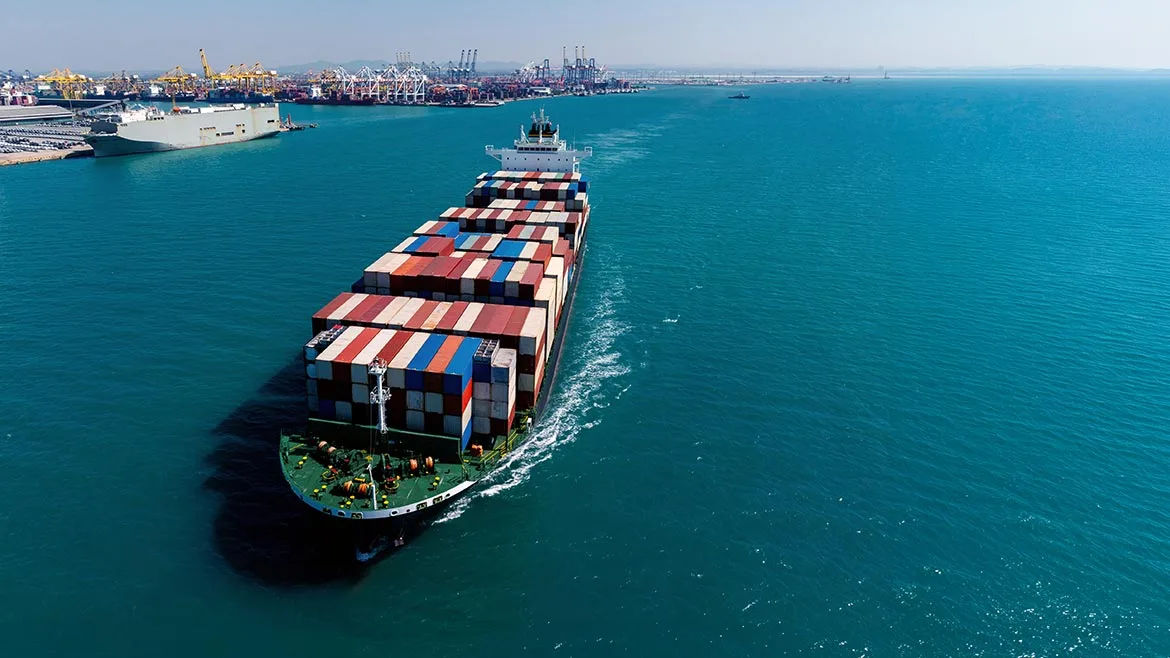
Tariffs are typically viewed through an economic lens: higher prices, increased costs and impacts on consumers and corporate profitability. But security professionals should also view tariffs as supply chain security, risk management, and business continuity issues.
The question is not simply, "How much will tariffs cost?" It is, "How will tariffs change the security and resilience of our supply chain?"
The Security Risks of Disruption
When tariffs make a supplier, country, or transportation route more expensive, organizations may quickly change suppliers or sourcing locations. While this may reduce costs, it can introduce new vulnerabilities. Moving production to another country, for example, may reduce tariff exposure but introduce greater risks involving political instability, corruption, intellectual property theft, cybersecurity, regulatory compliance, or transportation infrastructure.
After more than 30 years in corporate security, including 16 years leading Security Operations and Investigations for a major telecommunications company, I have seen why security must be considered alongside business decisions. For companies supporting critical communications infrastructure, the question is not simply whether equipment can be delivered. It is also where it came from, who manufactured it, who has access to it and what risks accompany it.
Inventory Creates Its Own Risks
Tariff uncertainty can also encourage companies to stockpile critical materials or accelerate shipments before new duties take effect. Additional inventory can provide a valuable buffer against disruption, but it also creates security concerns. More inventory means more opportunities for theft, fraud, diversion, counterfeit products, and employee misconduct. It also increases storage requirements and the potential for obsolescence.
The inventory intended to improve resilience can therefore become a vulnerability if physical security and inventory controls do not keep pace.
The Supplier Concentration Problem
There is another less obvious concern: supplier concentration. If tariffs cause companies to abandon multiple foreign suppliers and consolidate purchasing with fewer domestic suppliers, the supply chain could become more vulnerable. A single cyberattack, warehouse fire, labor disruption or natural disaster could have a much greater impact when alternatives are limited.
This is a fundamental business continuity principle: efficiency and resilience are not always the same thing.
“Security professionals should incorporate tariff-related changes into supply chain risk assessments. When tariffs alter the economics of a supply chain, security should be involved before the organization changes suppliers or sourcing locations.”
Can Tariffs Improve Security?
Tariffs can also create security benefits. They may encourage organizations to diversify suppliers, increase domestic production, and reduce dependence on countries that could become geopolitical adversaries.
This is particularly important for critical industries. U.S. dependence on certain imported materials demonstrates how an ordinary commodity can become a national security vulnerability when domestic capacity is limited and geopolitical events threaten foreign supply. The same principle applies to telecommunications, technology, pharmaceuticals, energy, and other critical sectors.
What Security Professionals Should Do
Security professionals should incorporate tariff-related changes into supply chain risk assessments. When tariffs alter the economics of a supply chain, security should be involved before the organization changes suppliers or sourcing locations.
Organizations should evaluate how those changes affect:
- Physical and cybersecurity
- Business continuity
- Geopolitical risk
- Supplier reliability
- Intellectual property
- Counterfeit and diversion risks
- Critical infrastructure dependencies
- Inventory security
Most importantly, security professionals should ask: What new vulnerability are we creating by trying to eliminate the original one?
From Cost Efficiency to Resilience
Tariffs may strengthen supply chain resilience by encouraging diversification and domestic production. But they can also create new vulnerabilities when organizations respond solely to cost. My experience in corporate security and investigations has reinforced a simple lesson: the cheapest solution is not always the lowest-risk solution.
The goal should not be to build the least expensive supply chain. It should be to build one that can survive disruption, adapt to geopolitical change, and continue operating when conditions suddenly change.
Supply chain security is no longer about protecting what moves through the supply chain. It is about understanding where it comes from, who controls it, what risks accompany it and what happens when the rules suddenly change.
Looking for a reprint of this article?
From high-res PDFs to custom plaques, order your copy today!