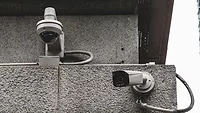
The Evolving Role of VMS in Connected Cities

Cities worldwide are adopting new technologies to improve quality of life and safety. By integrating data from connected systems, sensors and devices, ‘smart cities’ better understand how municipal resources are used and where problems arise.
An example of this is the changing role of video management systems. Over the years, law enforcement agencies have pushed to install more cameras in high-traffic areas and develop real time crime centers to support more proactive interventions. Now cities are beginning to recognize the value of these cameras and analytics to solve municipal problems as well.
Modern video management systems can do much more than capture key moments on camera. When integrated with sensors, maps, and Investigative tools, VMS can provide a clearer shared understanding of what’s happening on the ground — not only for law enforcement but also for traffic control, parking management, infrastructure maintenance, emergency response, and more.
Video can do more than deter crime
Systems that were first developed as crime-solving tools are being leveraged for other purposes. In many cities, video management systems (VMS) are becoming a core part of their digital infrastructure and transformation. Advanced camera analytics power new insights that can help monitor pedestrian flow, detect illegal dumping, and optimize city services like snow removal. With real-time dashboards and live mapping, VMS platforms can help city teams make more informed decisions.
City vehicles, from police cars to buses to snowplows, are being enhanced with GPS transmitters and even automatic license plate recognition (ALPR). This makes it easier for dispatchers to allocate resources where they are most needed — and catch people who create problems by parking in bus lanes or blocking plows.
In recent years, manufacturers have introduced solar-powered ALPR cameras that can be installed easily without connecting to power sources or other infrastructure. Connected via cellular networks, these cameras let cities monitor problem areas — such as sites with recurring illegal dumping — even outside the main grid. If illegal dumping is detected, operators can check data from ALPR cameras and video in the surrounding area to identify the vehicles and people involved.
Public-private partnerships for shared video can also aid in responding to safety incidents. For example, local critical infrastructure, such as utilities, power companies, or water treatment facilities, can share camera data with first responders in the event of a breach or emergency. Dispatchers can access camera footage to understand the magnitude of a fire or chemical spill on site before deploying resources to the scene.
The value of open, flexible system architecture
When evaluating VMS platforms, decision-makers should consider scalability, cybersecurity, interoperability with legacy systems, and compliance with emerging privacy laws.
To leverage the potential of connected systems, cities must choose an open, flexible architecture. Platforms that can integrate with legacy systems, third-party hardware, and new technologies as they emerge allow cities to modernize at their own pace, while making the most of their existing infrastructure.
Choosing a closed, proprietary system requires cities to lock into a single vendor and a limited selection of compatible devices. Changing providers can be an expensive project, requiring a complete system replacement. In contrast, an open architecture solution is compatible with a wide selection of products from many different vendors, so you can upgrade or change things one piece at a time if needed.
An open architecture system ensures that cities own their data and systems. They aren’t locked into any particular provider. Departments with various needs — such as public safety, transit, IT, and emergency services — can collaborate and share data within one system, even if the cameras and other devices they install are not from the same manufacturer.
Data from HVAC, access control, human resources databases, or other sources can also enhance the potential impact of your VMS to support operations, maintenance, or enhance security. Cities benefit most from open VMS platforms that can integrate analytics from diverse camera manufacturers, internet-connected sensors, and other systems.
Putting privacy first
As cities collect more video and sensor data, they need to implement strong policies around access, retention, and sharing. A privacy-first design can help cities balance transparency and responsible use by limiting access to sensitive information only to those who need it. It can also guide your choice of tools to ensure privacy protection is included by default rather than added as an afterthought.
Whether cities share video with law enforcement, prosecutors, internal stakeholders, or citizens who have initiated freedom of information requests, protecting privacy is simplified with a digital evidence management system (DEMS). Features such as automatic privacy masking, audit trails, and role-based permissions support a privacy-first approach.
While a DEMS solution incorporates tools to help ensure best practices, in the end, it’s the city’s policies around video that will ensure citizens’ privacy. Establishing rules around protecting data and personal information is important.
Part of the entire community ecosystem
New technology applications and real-time data can make cities safer and services more efficient, but the most significant value comes from how information is unified, shared, and acted upon.
City leaders can turn raw video and sensor data into actionable insights by treating VMS as part of a broader connected ecosystem — one that emphasizes open architecture, cross-department collaboration, and privacy protections. The result is better incident response, more reliable services, and stronger public trust, contributing to more resilient, vibrant communities.
Looking for a reprint of this article?
From high-res PDFs to custom plaques, order your copy today!