On October 1, 2017 a lone gunman fired down from the 32nd floor of the Mandalay Bay Hotel in Las Vegas, killings dozens of people attending a country music festival.
CISOs must prioritize vendor compliance to protect their company and patients from risk and avoid reputational damage, expensive penalties, and other financial impacts.
The risk of a cyberattack against healthcare organizations is growing rapidly, with some 83 percent of health CISOs reporting an increased number of attacks in the past year.
Transformation is defined as: “(noun) a change in form, appearance, nature or character.” Today, the physical security industry is faced with the fact that digital transformation has redefined business risk.
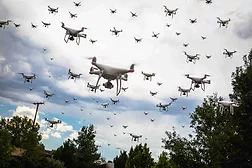
There is no better example of a technology with great benefits and even greater challenges than drones, or Unmanned Aircraft Systems (UAS), specifically commercial drones.
The Art Institute of Chicago, one of the premier fine arts museums in the United States, recently installed state-of-the-art IP-based video surveillance. Learn how you can use IP video as well.
The asset tracking industry is worth billions and technology is one of its main drivers. What tools can your security enterprise use to protect assets?
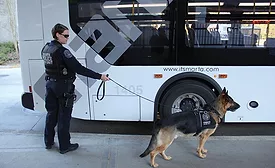
Rapid transit agencies across the U.S. are installing information management systems, video analytics and more to deter and combat crime and terror attacks that can impact millions of riders each day.
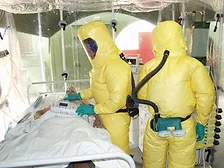
Despite the availability of an experimental vaccine and the recent experience of a major Ebola outbreak in West Africa, the Democratic Republic of the Congo (DRC) is failing to address what is now the world’s second-largest outbreak of the disease.
When it comes to privacy and security, new challenges and risks are constantly exploding onto the scene. Here’s what our expert roundup designates as the key issues and best practices of 2019.
 RSS
RSS