The Federal Bureau of Investigation (FBI) has designated 40 shootings in 2020 as active shooter incidents. Although 2020 witnessed the highest rate of active shooter incidents for the period 2000 to 2020, casualties were significantly lower. Here’s a breakdown of the FBI’s Active Shooter Incidents in the U.S. in 2020.
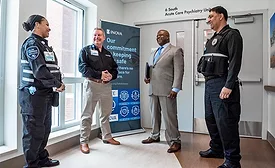
De-escalation is a key frontline security strategy in a range of situations, from hospitals to retail settings to office environments. Many sectors, such as travel and airlines, healthcare facilities, retail and more, have seen an increase in agitated behavior or violent incidents in recent years, some spawned from tensions rising regarding mask mandates and COVID-19 protocols. Here, we take a look at de-escalation strategies and training that security leaders can implement within their organizations to keep security, staff and visitors safe.
A HSB poll by Zogby Analytics found 34% of the small and mid-size businesses responding had experienced at least one serious employee threat or violent incident.
Security teams of all sectors face incidents of violence, anxiety, escalation and trauma during their careers. For a security leader, fostering a healthy workplace environment following trauma or helping managers and frontline security personnel navigate such incidents is particularly essential to healing, reducing turnover, and allowing everyone in the workplace to feel heard, respected and confident.
As workplaces have had to change the way they do just about everything – from employees working remotely, to virtual meetings and conferences, and more, planning for an emergency has had to change as well. Prevention, response, and mitigation planning is critical to ensure employee safety operations and business continuity in the out years. Here are four steps that you should keep in mind as you update and improve your organization’s emergency response and recovery plans.
Occupational health and safety specialists CE Safety analyzed data from the Health and Safety Executive (HSE) and figures from Union of Shop, Distributive and Allied Workers (Usdaw) in the U.K.
The Transportation Security Administration will resume self-defense classes for flight attendants and pilots after not having the training for more than a year due to the COVID-19 pandemic. The classes come as the airlines deal with a surge in cases of unruly passengers and violent behavior on flights.
According to the U.S. Department of Justice’s Office of Victims of Crime, workplace homicides declined between 1995 and 2015. Yet workplace homicides are not the most common form of workplace violence — simple assault is. Simple assault is defined by the National Crime Victimization Survey (NCVS) as an attack without a weapon that results in no injuries or minor injuries (e.g., cuts, scratches, black eyes), or any injury requiring fewer than two days in the hospital.
When an employee or security can rapidly and effectively incapacitate and control a potentially violent subject without physical contact and without any effect on bystanders or lasting harm to the subject, virtually all potential catalysts of injury from violence are effectively eliminated.
Slack rolled out a new cross-organizational direct messaging feature, and hours later disabled the option to send a message alongside an invite due to concerns that the feature could be used to send abusive messages or enable harassment.