Security Magazine logo
search
cart
facebook twitter linkedin youtube
  • Sign In
  • Create Account
  • Sign Out
  • My Account
Security Magazine logo
  • NEWS
    • Security Newswire
    • Technologies & Solutions
  • MANAGEMENT
    • Leadership Management
    • Enterprise Services
    • Security Education & Training
    • Logical Security
    • Security & Business Resilience
    • Profiles in Excellence
  • PHYSICAL
    • Access Management
    • Fire & Life Safety
    • Identity Management
    • Physical Security
    • Video Surveillance
    • Case Studies (Physical)
  • CYBER
    • Cybersecurity News
    • More
  • BLOG
  • COLUMNS
    • Career Intelligence
    • Cyber Tactics
    • Cybersecurity Education & Training
    • Leadership & Management
    • Security Talk
  • EXCLUSIVES
    • Annual Guarding Report
    • Most Influential People in Security
    • The Security Benchmark Report
    • Top Guard and Security Officer Companies
    • Top Cybersecurity Leaders
    • Women in Security
  • SECTORS
    • Arenas / Stadiums / Leagues / Entertainment
    • Banking/Finance/Insurance
    • Construction, Real Estate, Property Management
    • Education: K-12
    • Education: University
    • Government: Federal, State and Local
    • Hospitality & Casinos
    • Hospitals & Medical Centers
    • Infrastructure:Electric,Gas & Water
    • Ports: Sea, Land, & Air
    • Retail/Restaurants/Convenience
    • Transportation/Logistics/Supply Chain/Distribution/ Warehousing
  • EVENTS
    • Industry Events
    • Webinars
    • Solutions by Sector
    • Security 500 Conference
  • MEDIA
    • Interactive Spotlight
    • Photo Galleries
    • Podcasts
    • Polls
    • Videos
      • Cybersecurity & Geopolitical Discussion
      • Ask Me Anything (AMA) Series
  • MORE
    • Call for Entries
    • Classifieds & Job Listings
    • Continuing Education
    • Newsletter
    • Sponsor Insights
    • Store
    • White Papers
  • EMAG
    • eMagazine
    • This Month's Content
    • Advertise
  • SIGN UP!
CybersecuritySecurity Enterprise ServicesSecurity & Business ResilienceIdentity Management

Deepfakes could compromise your company’s security

By Tim Sadler
deepfakes are compromising enterprise security
November 12, 2020

Conversations around deepfakes and disinformation campaigns are heating up, especially in the lead up to this year’s U.S. election. Put simply, deepfakes are AI-generated fake videos or audio recordings that look and sound like the real thing. They leverage powerful techniques from machine learning (ML) and artificial intelligence (AI) called deep learning to manipulate or create visual and audio content in order to deceive people.

During an election season, this could create chaos among voters. Cybercriminals could, for example, use deepfakes to create fake news and swap out the messages delivered by trusted voices like government officials or journalists to trick them into believing something that isn’t real. In fact, an overwhelming 76% of IT leaders believe deepfakes will be used as part of disinformation campaigns in the election.

But deepfakes don’t just threaten the security of elections. A survey by Tessian also revealed that 74% of IT leaders think deepfakes are a threat to their organization's security.

So, how deepfakes could compromise your company’s security?

“Hacking humans” is a tried and tested method of attack used by cybercriminals to breach companies’ security, access valuable information and systems, and steal large sums of money. And hackers are getting better at it by using more advanced and sophisticated techniques.

Social engineering scams and targeted spear phishing attacks, for example, are fast becoming a persistent threat for businesses. Hackers are successfully impersonating senior executives, third-party suppliers, or other trusted authorities in emails, building rapport over time and deceiving their victims. In fact, last year alone, scammers made nearly $1.8 billion through Business Email Compromise attacks. These types of spear phishing attacks are much more effective, and have a much higher ROI, than the “spray and pray” phishing campaigns criminals previously relied on.

Deepfakes, either as videos or audio recordings, are the next iteration of advanced impersonation techniques that bad actors can use to abuse trust and manipulate people into complying with their requests.

It’s a threat we are already seeing today. In 2019, the CEO of a large energy firm was scammed by fraudsters who impersonated his boss over the phone and requested the fraudulent transfer of £220,000 to a supplier. Similarly, Twitter employees were targeted by a “phone spear phishing attack” earlier this year whereby hackers posed as IT staff, tricking people into sharing passwords for internal tools and systems. If an employee believes that the person on a video call is the real deal, or if the person calling them is their CEO or IT manager, it’s unlikely that they would ignore or question the request.

How can you protect your business from the threat?

To some degree, today’s deepfakes are quite easy to spot. In the poorly-made video deepfakes, you can see that people’s lips are out of sync, the speaker isn’t blinking, and there may even be a flicker on the screen. However, as deepfake technology continues to get better, faster and cheaper, it’s likely more hackers will start using the software to further advance their impersonation scams.

Training and awareness is an incredibly important first step in combating the threat. It’s, therefore, encouraging to see that 61% of leaders are already educating their employees on the threat of deepfakes and another 27% have plans to do so. Remind your staff to pause and verify the request with a colleague via another channel of communication, before carrying out the request. Advise your employees to ask the person requesting an action something only you and they would know, to verify their identity too. For example, they could ask them what their partner’s name is or what the office dog is called.

Then, identify who might be most vulnerable to impersonation scams and tailor training accordingly. New joiners, for example, have likely never met or spoken to senior executives in their organization and would not have any reference points to verify whether the person calling them is real or fake -— or if the request is even legitimate. Attackers could also target new joiners by pretending to be someone from the IT or security team, carrying out a routine set-up exercise. This would be an opportune time to ask their targets to share account credentials. Remember, hackers will do their homework and trawl through LinkedIn to find new members of staff.

Lastly, invest in AI solutions to detect the threat. Ironically, AI is one of the most powerful tools we have to combat AI-generated attacks. AI can understand patterns and automatically detect unusual patterns and anomalies, such as impersonations, faster and more accurately than a human can.

When I recently spoke to deepfake expert Nina Schick, she said that deepfakes are “not an emerging threat. This threat is here. Now.” Businesses need to take action and find ways to proactively protect their people from advanced impersonation attacks, whether they are sophisticated spear phishing attacks or deepfakes. Training and awareness, clear policies and procedures around authenticating and approving requests, and AI-powered security solutions can help to ensure these scams aren’t successful.


KEYWORDS: deepfakes enterprise security threat analysis

Share This Story

Looking for a reprint of this article?
From high-res PDFs to custom plaques, order your copy today!

Tim Sadler is the CEO and Co-Founder of Tessian.

Recommended Content

JOIN TODAY
To unlock your recommendations.

Already have an account? Sign In

  • Iintegration and use of emerging tools

    Future Proof Your Security Career with AI Skills

    AI’s evolution demands security leaders master...
    Security Education & Training
    By: Jerry J. Brennan and Joanne R. Pollock
  • The 2025 Security Benchmark Report

    The 2025 Security Benchmark Report

    The 2025 Security Benchmark Report surveys enterprise...
    The Security Benchmark Report
    By: Rachelle Blair-Frasier
  • The Most Influential People in Security 2025

    Security’s Most Influential People in Security 2025

    Security Magazine’s 2025 Most Influential People in...
    Most Influential People in Security
    By: Security Staff
Manage My Account
  • Security Newsletter
  • eMagazine Subscriptions
  • Manage My Preferences
  • Online Registration
  • Mobile App
  • Subscription Customer Service

More Videos

Sponsored Content

Sponsored Content is a special paid section where industry companies provide high quality, objective, non-commercial content around topics of interest to the Security audience. All Sponsored Content is supplied by the advertising company and any opinions expressed in this article are those of the author and not necessarily reflect the views of Security or its parent company, BNP Media. Interested in participating in our Sponsored Content section? Contact your local rep!

close
  • critical event management
    Sponsored byEverbridge

    Why a Unified View Across IT, Continuity, and Security Makes or Breaks Crisis Response

  • Charlotte Star Room
    Sponsored byAMAROK

    In an Uncertain Economy, Security Is a Necessity - Not an Afterthought

  • Sureview screen
    Sponsored bySureView Systems

    The Evolution of Automation in the Command Center

Popular Stories

Cybersecurity trends of 2025

3 Top Cybersecurity Trends from 2025

Red laptop

Security Leaders Discuss SitusAMC Cyberattack

Green code

Logitech Confirms Data Breach, Security Leaders Respond

Neon human and android hands

65% of the Forbes AI 50 List Leaked Sensitive Information

The Louvre

After the Theft: Why Camera Upgrades Should Begin With a Risk Assessment

Top Cybersecurity Leaders

Events

September 18, 2025

Security Under Fire: Insights on Active Shooter Preparedness and Recovery

ON DEMAND: In today’s complex threat environment, active shooter incidents demand swift, coordinated and well-informed responses.

December 11, 2025

Responding to Evolving Threats in Retail Environments

Retail security professionals are facing an increasingly complex array of security challenges — everything from organized retail crime to evolving cyber-physical threats and public safety concerns.

View All Submit An Event

Products

Security Culture: A How-to Guide for Improving Security Culture and Dealing with People Risk in Your Organisation

Security Culture: A How-to Guide for Improving Security Culture and Dealing with People Risk in Your Organisation

See More Products

Related Articles

  • Dispelling the Dangerous Myth of Data Breach Fatigue; cyber security news

    The four insights network metadata can reveal about your compromise level

    See More
  • Customer retention concept

    AI Algorithms Could Undermine Your Security Job Hunt

    See More
  • solar enews

    Learning from the U.S. Military: How Solar-Powered Microgrids Can Improve Your Company’s Security

    See More

Related Products

See More Products
  • 1119490936.jpg

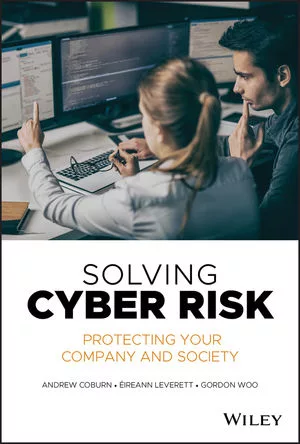
    Solving Cyber Risk: Protecting Your Company and Society

  • security culture.webp

    Security Culture: A How-to Guide for Improving Security Culture and Dealing with People Risk in Your Organisation

See More Products
×

Sign-up to receive top management & result-driven techniques in the industry.

Join over 20,000+ industry leaders who receive our premium content.

SIGN UP TODAY!
  • RESOURCES
    • Advertise
    • Contact Us
    • Store
    • Want More
  • SIGN UP TODAY
    • Create Account
    • eMagazine
    • Newsletter
    • Customer Service
    • Manage Preferences
  • SERVICES
    • Marketing Services
    • Reprints
    • Market Research
    • List Rental
    • Survey/Respondent Access
  • STAY CONNECTED
    • LinkedIn
    • Facebook
    • YouTube
    • X (Twitter)
  • PRIVACY
    • PRIVACY POLICY
    • TERMS & CONDITIONS
    • DO NOT SELL MY PERSONAL INFORMATION
    • PRIVACY REQUEST
    • ACCESSIBILITY

Copyright ©2025. All Rights Reserved BNP Media.

Design, CMS, Hosting & Web Development :: ePublishing