Terrorism is changing. The Center for Cyber & Homeland Security at George Washington University is striving to bring science to the art of security decision-making. What can their research into cyberattacks, terrorism and the evolving threat environment do to help your enterprise? Read about this, sports security, security culture and awareness and more in the July issue.
In addition to its research into cybercrime, terrorism and security threats worldwide, the George Washington University’s Center for Cyber & Homeland Security’s Program on Extremism homes in on extremist and terrorist threats and trends, seeking to provide empirical information that policymakers and security leaders can wrap their heads around on this complex and evolving challenge.
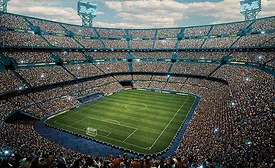
The subject of security at sports venues usually revolves around traditional violence-related concerns like terrorism, active shooter or possibly drunken and rowdy fans getting into brawls.
The terrorist incident at the Ariana Grande concert in Manchester, United Kingdom, in May raised new questions of how arenas that house sporting events and other types of attractions such as concerts can ensure fan safety.
Sports venues for many years have been on the lookout for weapons like guns and knives at their entrance ways, and it would probably be very difficult for a bad actor to enter a stadium with a nuclear warhead.
This article addresses lessons learned from selected mass casualty terror attacks in Western Europe (Nice, Paris, Brussels and Oslo) and the United States (Orlando, San Bernardino and Boston).
Eighty-five percent of federal IT managers say their agency is more focused on combating insider threats today than one year ago, and most are formalizing their efforts through formal insider threat programs, according to MeriTalk’s 2017 Federal Insider Threat Report, underwritten by Symantec
The heart of the ASIS International Annual Seminar and Exhibits has been its education program, and in 2017 there are many exciting changes to the ASIS 2017 conference program.