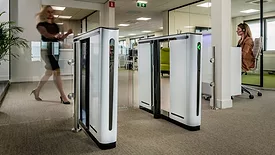
Security professionals are increasingly having to mitigate physical and cybersecurity convergence. Here are three tips for organizations to remain resilient in a connected world.
Deploying an integrated, multi-technology approach to perimeter security gives organizations the agility to optimize protection for their business, people and property.
Organizations can improve their security profile by implementing a plan that includes best practices and rules for compliance along with the technology to implement it.
There isn’t a silver bullet to consumer data privacy; different organizations are at different stages of privacy maturity. However, there are four steps organizations can take to advance their data privacy program maturity.
When it comes to building a security-first culture, a layered approach that takes physical security, security solutions and training into consideration is best.
Business security leaders must understand the importance of their role in organizational resilience. To stay relevant and succeed in times of rapid change and increasing uncertainty, businesses can leverage digitization to manage risk and become more adaptable.
Social media influencers garner millions of followers and fans, but along with the fame come many security threats. The security and protection lessons learned by these cases can benefit any brand online today.
As access control threats evolve, so does the security technology needed to mitigate them. Artificial intelligence (AI)-powered analytics, glass partitions and other security tools can prevent threats to entrance security — read the top three access control trends now.
The top five physical security threats in 2022 are workplace violence, crime/theft, natural disasters, biosecurity and remote work. How can enterprise security protect employees from the ever-growing complexity of physical security threats?
 RSS
RSS