The Security Benchmark Report (formerly the Security 500) survey is now open! Calling all enterprise security leaders within your organization...fill out the survey today and help us benchmark where security lies within every sector and industry.
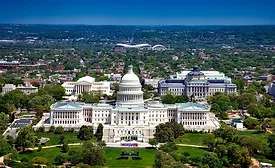
According to a task force study regarding Capitol security led by retired Army Lt. Gen. Russel Honore and appointed by House Speaker Nancy Pelosi, Capitol building and staff is marred with several weak points that can be strengthened to boost effective security.
We asked several Women Security Leaders to tell us what drew them into the profession, along with their thoughts on continued diversification of the industry.
GroupSense’s director of intelligence operations Bryce Webster-Jacobsen outlines the U.S. Department of Defense’s Cybersecurity Maturity Model Certification’s Impact on Defense Contractors.
Bangladesh has embarked on the necessary preparations to deepen local supply chain for ePassports in 2021. The production and personalization center for the new ePassports in the capital, Dhaka, was completed in 2020 and it contains a data center and is equipped with modern personalization machines.
Orlando has received $3.8 million in grant funding under the Department of Homeland Security’s Urban Area Security Initiative (UASI). The funds will go toward training first responders, as well as preparation and prevention of potential terrorism incidents, including domestic terrorism.
The Department of Homeland Security will allocate $1.8 billion in grants to state and local jurisdictions to protect against terrorism and other disasters, with at least $77 million specifically going toward combatting domestic violent extremism.
Indian Head Park Village in Illinois has security cameras as a top priority for the 2021/2022 fiscal year to boost security, safety and help solve crimes.
 RSS
RSS