Yeager Airport will use the security grant funds to install multiple new safety technologies, including West Virginia's first gunshot detection system in an airport.
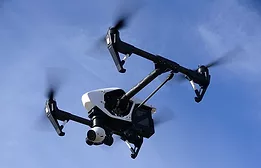
As drones become smaller, less expensive and more popular, we need new Counter-unmanned aircraft systems (C-UAS) solutions for airports to prevent and mitigate drone-related threats.
All employees and contractors of the San Francisco International Airport (SFO) will be required to get vaccinated or submit to weekly testing. SFO is the first U.S. airport to implement a vaccine requirement.
Security issues exist every day at airports and seaports, but security solutions and a multi-layered surveillance approach go a long way in a world of ever-increasing risk. Here, we explore a sampling of the latest surveillance solutions for airports and seaports.
As the United States commemorates the terrorist attacks that killed nearly 3,000 people, injured 10,000 more and changed the course of life for many on September 11, 2001, those in the industry reflect on the changes that have happened in the security profession since.
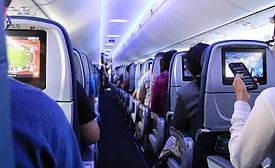
It’s challenging to find feasible solutions to an ongoing risk of flight attendants and frontline transportation workers being subject to workplace violence or physical altercations with customers or the public. Risk professionals should ensure these employees have access to self-defense training and others tools, as well as look to implement a zero-tolerance policy for passenger disruptions.
The federal security grant, which totals just over $1 million will be used to bolster protection against cyber threats, upgrade the port’s wireless security network and complete a perimeter fencing project.
The Miami International Airport (MIA) was selected by the U.S. Transportation Security Administration (TSA) as a test site for new drone detection technology.
 RSS
RSS