While the Kaseya, SolarWinds and other cyberattacks and global disruptors may appear dissimilar, having wildly varying causes and impacts, there is strategic value in considering them – and the supply chains they spread across – as a collective. Together, they represent a rapid learning opportunity for both adversaries and defenders – an open-source global weapons development program.
IT executives and senior leaders are key drivers of success. For an organization to quickly realize a tech vision and reap the benefits of digitization, leaders must have cutting-edge technical knowledge, a shared vision for change and, most critically, a people-focused approach that empowers the organization now and in the future.
Tim Danks, Huawei VP of Risk Management, discusses his thoughts on cybersecurity and the great need for global collaboration to build cyber risk management standards across the world.
In today’s business environment security is a fundamentally functional and non-functional requirement and cannot be an afterthought where issues are chased after systems are operational. That’s why it’s vital that best practices be implemented by companies from the onset of any cloud migration strategy: backed by a robust and real-time capability to plan, investigate, and respond to all security incidents.
As organizations re-evaluate their office spaces, leveraging security solutions will be critical to addressing three key areas: improving employee health and safety; enhancing business efficiencies; and, proactively solving business challenges.
Now, user experience is at the forefront of the evolution of security technology, with devices being developed that both enhance and simplify the way in which people interact with security solutions. One significant advancement for the security industry has been the development and introduction of frictionless access control technology – a solution that alters and simplifies the overall user experience.
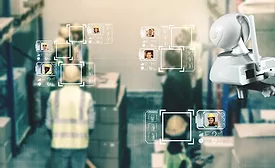
Security and business optimization in logistics calls for a multi-tiered approach – a solution that addresses security while streamlining operations, reducing costs and increasing revenue. So, what is the role of video security systems in logistics and how can these devices support a versatile, flexible approach while generating more revenue?
A proactive approach to risk management capitalizes on video surveillance, physical security, intelligence and cybersecurity coming together to provide actionable data for continued operations.
The truth is, the roles of security workers have become more crucial to public safety than ever, and their voices need to be heard. We must take this time as an opportunity to drive change and improve the livelihood of our forgotten frontline workers.
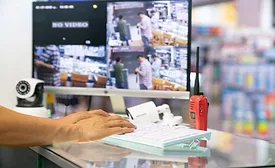
Mark Armstrong, Senior Vice President of Video Solutions at StorMagic, discusses challenges enterprises are facing with their video surveillance solutions, as well as video surveillance trends in the next year.
 RSS
RSS