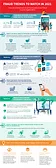
Contact center call volumes will vary from industry to industry and from month to month, but the general trend is steeply upward. Adding new agents isn’t the only or even the most efficient way that contact center managers can respond to the great COVID crunch of 2021. A properly deployed Interactive Voice Response system can make workloads manageable for agents while keeping customers from long and frustrating minutes on hold. Still, new options for callers may correspond to new opportunities for attackers.
New research from Tessian finds that almost one-third of people have fallen victim to a cyber romance scam, posing a new warning: don’t get cat-phished this Valentine’s Day.
Fraudsters are taking advantage of the pandemic and increasing the threat landscape for governments and enterprises around the world in a wide-reaching fashion.
Fraudsters are taking advantage of the pandemic and increasing the threat landscape for governments and enterprises around the world. Where are the threats coming from and can security leaders expect to see an elevated threat landscape into the future?
LexisNexis Risk Solutions unveiled findings on the current State of Fraud, detailing key fraud trends occurring in 2020 for organizations in the United States and Canada while also looking ahead at what to expect in 2021. The COVID-19 pandemic caused 2020 to be a year of unique circumstances and disruption to the global economy. One thing that has stayed the same is fraudsters' willpower to gain access to money and confidential information.
In this piece, we will explore the top five most surprising phishing attacks in 2020 to date and how individuals and organizations can not only identify these types of threats but protect their networks against them.
Computer fraud, or cyber-scamming, is a multi-billion-dollar industry that affects people and organizations around the world. Since the pandemic started, cybersecurity experts have tracked a 400% rise in online scams. The world is evolving at a rapid pace and with everything getting connected and automated scammers are bound to adapt, thrive and succeed. Let’s understand the top five reasons:
Relying on outdated fraud prevention and identification measures will no longer cut it, and businesses that don’t adapt will lag. As people continue to work, collaborate and socialize via their mobile devices, businesses must equip themselves with technology and tools that will prioritize fraud prevention. If not, companies risk losing their customers to those who have invested in more robust solutions.
Sift released its Q4 2020 Digital Trust & Safety Index: Holiday Fraud and the Shifting State of E-commerce, which revealed that fraudsters are executing larger and more targeted attacks this holiday season. Derived from Sift’s global network of over 34,000 sites and apps, the Index found the average attempted fraudulent purchase value rose to over $700 from October through November 2020, a 70% year-over-year increase during the same period in 2019.
Report also found that the catch rate for selfie fraud was five times greater than for ID fraud, highlighting the growing importance of capturing a selfie during onboarding to deter new account fraud
December 17, 2020
New data from Jumio reveals that new account fraud based on ID verification declined 23.2% worldwide YTD in 2020, compared to 2019 results. At the same time, selfie-based fraud rates were five times higher than ID-based fraud. This illustrates the growing number of stolen ID documents available on the dark web for purchase and, more importantly, the growing need to determine if an ID is authentic and belongs to the user.
Before the pandemic, buy online, pickup in store (BOPIS) became hugely popular to consumers who didn’t want to have to wait for items to be delivered, pay for shipping or for those that wanted to avoid shopping in store altogether. However, as retailers adopted BOPIS, its rise flipped a switch and increased opportunities for fraudsters, enabling them to use stolen credit card information to make purchases online and then simply arrive at the store to pick up the item. So what can retailers do to ensure their customers are staying safe? Here are a few things to consider: