Survey also found Baby Boomers more likely to say they would allow employers to take their temperature, compared to Gen X and Millennials.
Three in four Americans (75 percent) are thinking more about data privacy issues amid COVID-19, yet most are willing to share their personal information to keep others safe and to return to work faster, a pulse survey of 1,000 workers by KPMG found.
In early June, the California Attorney General filed final CCPA regulations with the California Office of Administrative Law. The final regulations were accompanied by a 59-page Final Statement of Reasons along with six appendices containing over 500 pages of comments on the regulations and the Attorney General’s responses to those comments. One of the many topics that the Attorney General’s office discussed was the final regulation’s requirements for drafting privacy policies. Given that the drafting of a privacy policy is a necessary part of CCPA compliance, it is worth analyzing those comments.
CenturyLink, Inc. announced that Hugo Teufel has joined the technology company as its new chief privacy officer. As a noted expert in the field, he will advise the company on privacy and security issues and will work closely with CenturyLink’s sales, IT and security teams to help design, implement and refine strategic privacy initiatives throughout the company.
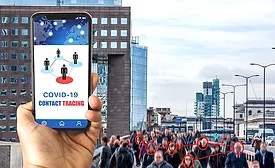
Bahrain, Kuwait and Norway have rolled out some of the most invasive COVID-19 contact tracing apps around the world, putting the privacy and security of hundreds of thousands of people at risk, an Amnesty International investigation reveals.
Bob Olsen, Senior Managing Director, has been appointed Global Head of Cybersecurity and Privacy at Ankura, global business advisory services firm. Based in Baltimore, Olsen will be responsible for supporting the continued expansion and growth of the firm’s cybersecurity and privacy practices in both existing and developing markets.
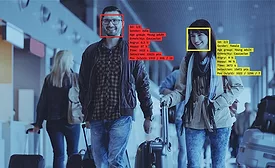
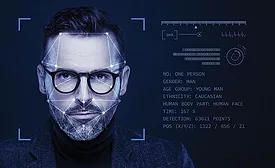
Artificial Intelligence innovations that use biometrics data are on the rise - but issues can arise with this data use in view of newly enacted and developing data privacy laws and regulations.
Singapore is reportedly developing a wearable device that may be issued to every resident as a way to facilitate contact tracing during the COVID-19 pandemic. The move, however, has elicited concerns from the public about the lack of privacy associated with contact tracing devices.
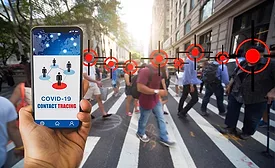
A new Kansas emergency bill passed earlier this week includes the COVID-19 Contact Tracing Privacy Act, which aims to protect the privacy of persons whose information is collected through contact tracing and the confidentiality of contact data.
According to multiple sources, a bipartisan group of Senators plan to introduce a bill to regulate the use of contact-tracing and exposure notification apps. The bill, entitled the “Exposure Notification Privacy Act” is the latest in a series of bills that seek to regulate these new apps. The new bipartisan bill raises hopes that federal privacy legislation (albeit on a limited issue) may finally pass.