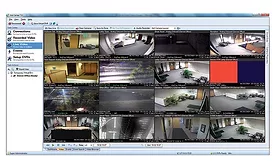
The latest version of this enterprise NVR management system incorporates enhanced visual viewing through map-based event displays and detailed facility layouts.
Every single thing we do each day is defined as a process. When you get up in the morning until you go to sleep at night, each thing you do is a process.
An annual assessment of health security and preparedness shows the nation is relatively well-prepared for managing an emergency, although performance on some measures in specific states can be improved.
Much of today’s security philosophy focuses on the idea of prevention. School, church, hospital, public and commercial facility and security managers are taking a proactive approach to security by deploying access control, perimeter security and other measures.
Pittsburgh building owners are suing the city, claiming City Council didn't have the authority to pass an ordinance that mandates training for security officers.
This wall-mounted trauma case provides the simplicity of a fire extinguisher and the functionality of an AED to enable “Immediate Responders” – citizens, coworkers, community members – to apply life-saving interventions in an emergency
As school shootings continue to plague American communities, both large and small, school administrators and security experts need to look at the issue of minimizing risk from multiple angles. One of the most important issues is how to help or enable local law enforcement to respond as quickly as possible. This is the purpose of duress alarm systems, more commonly known as panic alarms.