Security Magazine logo
search
cart
facebook twitter linkedin youtube
  • Sign In
  • Create Account
  • Sign Out
  • My Account
Security Magazine logo
  • NEWS
    • Security Newswire
    • Technologies & Solutions
  • MANAGEMENT
    • Leadership Management
    • Enterprise Services
    • Security Education & Training
    • Logical Security
    • Security & Business Resilience
    • Profiles in Excellence
  • PHYSICAL
    • Access Management
    • Fire & Life Safety
    • Identity Management
    • Physical Security
    • Video Surveillance
    • Case Studies (Physical)
  • CYBER
    • Cybersecurity News
    • More
  • BLOG
  • COLUMNS
    • Career Intelligence
    • Cyber Tactics
    • Cybersecurity Education & Training
    • Leadership & Management
    • Security Talk
  • EXCLUSIVES
    • Annual Guarding Report
    • Most Influential People in Security
    • The Security Benchmark Report
    • Top Guard and Security Officer Companies
    • Top Cybersecurity Leaders
    • Women in Security
  • SECTORS
    • Arenas / Stadiums / Leagues / Entertainment
    • Banking/Finance/Insurance
    • Construction, Real Estate, Property Management
    • Education: K-12
    • Education: University
    • Government: Federal, State and Local
    • Hospitality & Casinos
    • Hospitals & Medical Centers
    • Infrastructure:Electric,Gas & Water
    • Ports: Sea, Land, & Air
    • Retail/Restaurants/Convenience
    • Transportation/Logistics/Supply Chain/Distribution/ Warehousing
  • EVENTS
    • Industry Events
    • Webinars
    • Solutions by Sector
    • Security 500 Conference
  • MEDIA
    • Interactive Spotlight
    • Photo Galleries
    • Podcasts
    • Polls
    • Videos
      • Cybersecurity & Geopolitical Discussion
      • Ask Me Anything (AMA) Series
  • MORE
    • Call for Entries
    • Classifieds & Job Listings
    • Continuing Education
    • Newsletter
    • Sponsor Insights
    • Store
    • White Papers
  • EMAG
    • eMagazine
    • This Month's Content
    • Advertise
  • SIGN UP!
ManagementPhysicalSecurity Leadership and ManagementFire & Life SafetyPhysical Security

Coordinating enterprise leadership response to mass casualty events
By Kathryn M. Turman
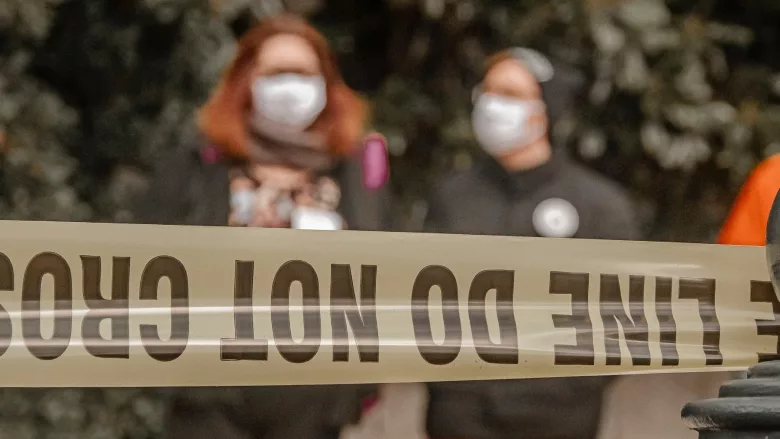
police tape
April 1, 2022

The number of mass casualty events (MCEs) has been increasing steadily over the years. MCEs range from active shooter incidents to acts of terrorism or natural disasters. While every MCE has unique issues, there is a predictability to the aftermath that can inform planning and response for future events.

Enterprise response following a mass casualty event sets the stage for further healing by survivors of MCEs. Jim Hall, former Director of the National Transportation Safety Board, often pointed out that while an organization can get a lot of things right in the aftermath of disaster, it can be very hard to regain the trust of victims if lost or not established from the beginning.

Executive response to mass casualty events

Surviving victims and families will turn to someone in charge to assure them they will be cared for and will receive help to navigate the aftermath of tragedy. It may be the most important thing a senior executive does and something for which the executive and the organization are long remembered.

Following the 1997 murders of three young employees in the Georgetown Starbucks store in Washington, D.C., CEO Howard Schultz cancelled a vacation and quickly traveled to the area where he met with employees and families of the victims. He attended a crisis counseling session with employees and took steps to increase security procedures at Starbucks stores in response to their concerns. The CEO ensured that funeral and burial costs for victims were covered. He also established a permanent memorial in the Georgetown store from which the profits go to local charities chosen by store employees. The company’s regional director was quoted at the time as saying the response "was Howard the human, not Howard the CEO." The corporate response of Starbucks and its CEO continued to be recognized in social media postings two decades later.

MCE response strategies

The best way to establish and maintain trust early on with victims and families is through transparent, frequent and empathetic communication. If a misstep occurs, it is critical to own it and quickly communicate the issue and remedies to victims and families before addressing it with the larger group of employees and people outside the organization. Video or audio conference calls can be particularly useful in disseminating information quickly when there are many victims.

Surviving victims and families may be understandably angry about what happened. They may direct their anger to someone they can see and with whom they can speak. It is best to let them express their grief and anger and listen with compassion. "I'm very sorry for your injury or your loss" is a simple but meaningful way to acknowledge their suffering. It needs to be human and very personal.

It will help to maintain a focus on victims and consider how executive decisions and actions will affect them. Be flexible whenever possible. Even the most carefully developed plan will not cover every situation. Be consistent in setting expectations and messaging with multiple victims and family groups, taking care to treat them fairly and equally. They will talk among themselves. Survivors and families are often consulted on the establishment of any memorial event or physical memorial. Acknowledge anniversaries, especially the first one.

Resilience is the ability to bounce back after a devastating experience. Most affected individuals will cope and adjust over time with consistent information, support, and understanding. Some people may experience more acute reactions and need time and treatment to recover. Providing effective and timely support to victims of MCEs will go a long way to fostering resilience in employees, their families, and the organization. How victims and survivors are treated in the aftermath has the power to help them heal.

This article originally ran in Security, a twice-monthly security-focused eNewsletter for security end users, brought to you by Security Magazine. Subscribe here.

KEYWORDS: disaster recovery emergency plan enterprise security programs mass casualties mental health resiliency

Share This Story

Looking for a reprint of this article?
From high-res PDFs to custom plaques, order your copy today!

Kathryn M. Turman spent 30 years overseeing victims’ services in the Department of Justice, with the last 19 years as Assistant Director over the Victim Services Division in the Federal Bureau of Investigation (FBI). She directed or supported the response to victims of more than 70 acts of terrorism and mass violence in the US and foreign countries. She established the internationally recognized FBI Victim Services Response Team. Turman served on the White House Hostage Policy Review Team and played a key role in developing policy and resources for supporting hostage families and recovered hostages. Turman and her colleagues worked with numerous companies and organizations whose employees or clients were victims of mass casualty events, terrorist attacks and hostage-taking.

Recommended Content

JOIN TODAY
To unlock your recommendations.

Already have an account? Sign In

  • Iintegration and use of emerging tools

    Future Proof Your Security Career with AI Skills

    AI’s evolution demands security leaders master...
    Career Intelligence
    By: Jerry J. Brennan and Joanne R. Pollock
  • The 2025 Security Benchmark Report

    The 2025 Security Benchmark Report

    The 2025 Security Benchmark Report surveys enterprise...
    The Security Benchmark Report
    By: Rachelle Blair-Frasier
  • The Most Influential People in Security 2025

    Security’s Most Influential People in Security 2025

    Security Magazine’s 2025 Most Influential People in...
    Most Influential People in Security
    By: Security Staff
Manage My Account
  • Security Newsletter
  • eMagazine Subscriptions
  • Manage My Preferences
  • Online Registration
  • Mobile App
  • Subscription Customer Service

More Videos

Sponsored Content

Sponsored Content is a special paid section where industry companies provide high quality, objective, non-commercial content around topics of interest to the Security audience. All Sponsored Content is supplied by the advertising company and any opinions expressed in this article are those of the author and not necessarily reflect the views of Security or its parent company, BNP Media. Interested in participating in our Sponsored Content section? Contact your local rep!

close
  • critical event management
    Sponsored byEverbridge

    Why a Unified View Across IT, Continuity, and Security Makes or Breaks Crisis Response

  • Charlotte Star Room
    Sponsored byAMAROK

    In an Uncertain Economy, Security Is a Necessity - Not an Afterthought

  • Sureview screen
    Sponsored bySureView Systems

    The Evolution of Automation in the Command Center

Popular Stories

Cybersecurity trends of 2025

3 Top Cybersecurity Trends from 2025

Red laptop

Security Leaders Discuss SitusAMC Cyberattack

Green code

Logitech Confirms Data Breach, Security Leaders Respond

Neon human and android hands

65% of the Forbes AI 50 List Leaked Sensitive Information

The Louvre

After the Theft: Why Camera Upgrades Should Begin With a Risk Assessment

Top Cybersecurity Leaders

Events

September 18, 2025

Security Under Fire: Insights on Active Shooter Preparedness and Recovery

ON DEMAND: In today’s complex threat environment, active shooter incidents demand swift, coordinated and well-informed responses.

December 11, 2025

Responding to Evolving Threats in Retail Environments

Retail security professionals are facing an increasingly complex array of security challenges — everything from organized retail crime to evolving cyber-physical threats and public safety concerns.

View All Submit An Event

Products

Security Culture: A How-to Guide for Improving Security Culture and Dealing with People Risk in Your Organisation

Security Culture: A How-to Guide for Improving Security Culture and Dealing with People Risk in Your Organisation

See More Products

Related Articles

  • police officer

    Beyond empathy: Caring for victims of mass casualty events

    See More
  • Insights on Emergency Management

    Emergency & Medical Response Planning for Mass Casualty Terror Attacks

    See More
  • Most Emergency Physicians Report Hospitals Not "Fully Prepared" for Disasters, Mass Casualty Incidents

    See More

Related Products

See More Products
  • security culture.webp

    Security Culture: A How-to Guide for Improving Security Culture and Dealing with People Risk in Your Organisation

  • physical security.webp

    Physical Security Assessment Handbook An Insider’s Guide to Securing a Business

  • The Complete Guide to Physical Security

See More Products
×

Sign-up to receive top management & result-driven techniques in the industry.

Join over 20,000+ industry leaders who receive our premium content.

SIGN UP TODAY!
  • RESOURCES
    • Advertise
    • Contact Us
    • Store
    • Want More
  • SIGN UP TODAY
    • Create Account
    • eMagazine
    • Newsletter
    • Customer Service
    • Manage Preferences
  • SERVICES
    • Marketing Services
    • Reprints
    • Market Research
    • List Rental
    • Survey/Respondent Access
  • STAY CONNECTED
    • LinkedIn
    • Facebook
    • YouTube
    • X (Twitter)
  • PRIVACY
    • PRIVACY POLICY
    • TERMS & CONDITIONS
    • DO NOT SELL MY PERSONAL INFORMATION
    • PRIVACY REQUEST
    • ACCESSIBILITY

Copyright ©2025. All Rights Reserved BNP Media.

Design, CMS, Hosting & Web Development :: ePublishing