Driving with One Hand: Using a Single Solution for IT Asset Management
|
| Single IT asset management solutions facilitate easier training, more secure devices and happier employees. |
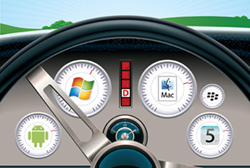
It’s a CIO’s nirvana: one robust tool for all device management needs. But for many organizations it’s a stretch just to keep pace with the many form factors and operating systems that comprise most enterprise deployments today. Many CIOs have given up the dream of a single tool. Instead, they employ individual solutions to manage the three typical groups: PC, Mac and ultra-portable devices (iOS, tablets, smartphones, etc.).
The result is predictable and expensive. Three purchase orders to buy three different management systems using triple the resources to deploy and install. Then IT staff must be trained to use multiple technologies including the investment of countless hours manually merging a variety of data from various databases. This type of fractured infrastructure ultimately forces CIOs to invest significant resources in processes and work that should really be automated.
So how did we get here? Much of our current reality can be attributed to the use of legacy systems that were already in place before enterprise deployments began to expand. When these asset management systems were initially purchased, an employee typically had no choice. When they arrived for their first day on the job, they had a PC computer and BlackBerry smartphone on their desk.
And these legacy IT asset management solutions were expensive, so when the first non-standard device showed up, it was simply easier to bolt on a stand-alone system specific to the form factor.
But that was then. Today IT departments are faced with a flood of new devices – many employee-owned. Spurred on by trends like the Bring Your Own Device (BYOD) movement, the typical enterprise deployment is no longer typical and can include a long list of devices – including desktop computers, laptops, PCs, Macs, various tablets, iOS devices and a wide variety of smartphones.
The result is that device types and operating systems can no longer be supported with individual asset management solutions. It’s not cost effective, nor is it safe to spread management and security of these devices across multiple consoles.
Your 50,000 Mile Check-Up: Building For Tomorrow Today
I think we all agree that for most CIO’s, re-evaluating the company’s entire IT set-up isn’t realistic. Most of us don’t have the luxury – or the budget – to evaluate management systems and overhaul existing architecture. But employing a “block and tackle” approach where one device issue is resolved at a time is also not sustainable.
Don’t build for today…build for tomorrow. What will be the IT reality in five years time?
Today asset management needs to be streamlined: one solution with one set of features for many different devices and operating systems. Even industry analyst firm Gartner has signaled that times have changed, recently renaming its PC Configuration Lifecycle Management Magic Quadrant to the Client Management Tools Magic Quadrant. In doing so, Gartner has formally recognized that non-PC devices have become a mainstay for most organizations.
This shift is evident today with many asset management vendors scrambling to provide cross-platform capabilities – natively or as modular add-ons. It would not be surprising if – in the future – Gartner elects to integrate MDM capabilities into the existing Client Management Tools quadrant since this would provide IT with further consolidation and put them one step closer to “many devices – one solution”.
Protect the Driver AND the Car: Cater to Employees, Secure the Device
Managing multiple device types within a single system provides many benefits:
- Data Integration: A single system allows you to reduce data and infrastructure fragmentation. For example, if you have separate systems for managing PCs and Macs, the only way you will have a single view of your deployment is to merge data from both systems into a stand-alone report. Since you’re doing this outside of either system, any anomaly in the data will require a manual check-back to the appropriate system to validate accuracy or to take the necessary action.
- Skill Set Consolidation: One system means one training process for all IT team members. There are no longer silos of expertise by platform or operating system.
- IT Spend Consolidation: Using one asset management system allows you to purchase all of your licenses from one vendor. This means you can take advantage of volume price discounts since you’ll be buying more licenses from a single source.
Life in the Fast Lane: Consumerization will Continue to Drive IT Decisions
Maybe it began when the CEO walked in with an iPad and told IT to make it work. Or perhaps it was the coveted new hire who insisted on using an Android tablet to deliver their results. Regardless of how it began, today many employees are calling the shots when it comes to the type of device they use when they’re working. This will not change.
Design shifts have already occurred among typical consumer devices like iPads. Display screens are enhanced, battery life is longer, peripheral support has expanded until it is at a par (or even exceeds) standard enterprise devices. As the line between consumer and corporate devices continues to blur, it’s unlikely the trend will reverse. This is the model of the future, a drum beat that can’t be ignored. Those organizations that embrace it will be prepared for the future.
The road to nirvana doesn’t have to be a long or expensive ride. With the proper roadmap and the right resources, CIOs can make good decisions money is saved, enterprise data is secured, and employees can be satisfied and productive.
Key Questions for Solution Planning:
As a CIO, these are the questions you should ask yourself as you evaluate IT Asset Management Systems and plan for the future:
- What devices and operating systems do we currently support? What’s out there that isn’t on the list?
- Do we use multiple asset management systems? If so, how much does it cost to support and what is the ROI if we consolidate to a single system?
- If we currently use a single system, how easily can it incorporate new device types and operating systems?
- How will the move to a single asset management system impact our IT resources?
Once you reach the point where you’re assessing solutions, also consider these questions:
- How has the asset management solution evolved to provide multiple platform support?
- Is support for each operating system built natively or simply bolted on as an acquired technology? This is important from a scalability perspective. If the vendor needs to purchase a company to expand platform support then the solution may not be scalable.
- Do you intend to support a BYOD policy? If so, does the new system support the policy? This could include the ability to segregate personal data from corporate data including the security and control of corporately owned assets that may reside on an employee-owned device.
Do you have any questions, comments, tips or best practices that you'd like to share with the industry? Email us! Send your feedback to Claire Meyer, Security's associate editor, at meyerc@bnpmedia.com
Looking for a reprint of this article?
From high-res PDFs to custom plaques, order your copy today!