How Air Travel Became Safer Through Cashless Service
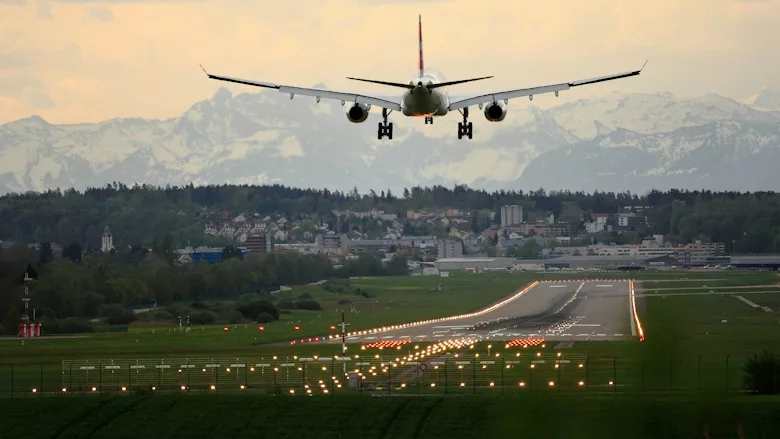
In an age where convenience, efficiency, and security reign supreme, air travel has adapted accordingly. One notable change: the elimination of cash payments on board for food, drinks, and other purchases. This shift away from bills and coins did not happen by accident, it reflected a deliberate focus on safety, security, and smoother operations.
The Dawn of the Cashless Cabin
The move toward cashless in-flight services began in earnest in the late 2000s. While some airlines had already experimented with credit and debit payment devices, American Airlines notably pioneered the transition.
In September 2007, American launched a three-week pilot program on flights departing from San Francisco, where only card payments were accepted for onboard purchases. By June 1, 2009, it became fully cashless on flights within the continental U.S. and routes to Hawaii, Alaska, and Canada. Less than a year later, on February 1, 2010, the policy expanded worldwide, and cash was no longer accepted on any American Airlines flight.
Other airlines quickly followed. Alaska Airlines introduced cashless cabins in 2008, with United, Delta, and JetBlue adopting similar systems throughout the early 2010s. By the mid-decade, cash had virtually disappeared from major carriers across North America and much of Europe.
Why Airlines Ditched Cash: A Focus on Safety & Security
While the move aligned with passenger convenience and modern payment trends, the underlying driver was safety and security. Cashless transactions reduced risks for airlines, crews, and passengers alike.
1. Operational Speed and Efficiency
Counting change and verifying cash slowed service. By arming flight attendants with handheld card readers, airlines sped up the process, allowing attendants to serve more passengers quickly and with fewer errors.
As American Airlines said in 2009: “The cashless cabins simplify the in-flight sales process and speed up the service, which allows flight attendants to better serve customers.”
2. Fraud and Theft Mitigation
Carrying cash in the air presented tempting opportunities for theft and fraud.
- Passenger theft: On an Emirates First-Class flight, a couple reported that $3,000 in cash disappeared from their bags while they visited the onboard lounge, leaving them stranded with little recourse once they landed.
- Crew theft allegations: A Qatar Airways passenger alleged that a flight attendant stole $600 cash from her handbag mid-flight, leading to a lawsuit.
- Internal cash skimming: Before cashless systems, airlines quietly reported cases of crew pocketing small sums during long-haul flights. Without digital receipts, proving fraud was impossible.
- Disputes with passengers: “Short-change” frauds and arguments over incorrect change were common sources of conflict that could escalate into disruptive in-flight confrontations.
By eliminating cash, airlines dramatically reduced these risks.
3. Accounting Accuracy
Cash handling required manual reconciliation and often led to costly discrepancies. Audits revealed that lost or miscounted cash bags between flights cost carriers tens of thousands of dollars annually.
Digital transactions created automatic, verifiable records streamlining audits and eliminating accounting errors.
4. Security Against Counterfeits
Counterfeit currency was another frequent problem, especially on international routes.
- Flight attendants occasionally received fake $20 or €50 notes without tools to verify authenticity at 35,000 feet.
- Some passengers attempted to pay with outdated or obscure foreign bills, exploiting crews’ limited ability to validate them.
Cashless service eliminated counterfeit currency risks.
5. Risks of Crew Exploitation and Smuggling
Cash vulnerabilities extended beyond the cabin.
- In one of the most serious cases, four flight attendants, including two from Delta Air Lines were indicted for smuggling over $8 million in drug money through New York’s JFK airport between 2014 and 2023. Exploiting Known Crewmember (KCM) lanes, they bypassed security checks with large sums of cash destined for the Dominican Republic.
This case illustrates how the privilege of handling or transporting cash could be manipulated for large-scale criminal activity.
6. Petty Theft Escalating into Tragedy
The risks tied to cash handling have even escalated into violence.
- In 1987, Pacific Southwest Airlines Flight 1771 was hijacked and crashed by a recently fired airline employee who had originally been terminated for stealing $69 from cocktail cash sales. This small act of theft spiraled into a catastrophic chain of events that claimed forty-three lives.
This tragedy underscores how minor lapses in financial accountability can grow into major safety risks.
7. Passenger Convenience and Spending Habits
Beyond security, passengers increasingly preferred cards and mobile payments. Airlines also found that customers tended to spend more when paying electronically, unconstrained by the limited cash in their wallets.
The Safety Dimension
The elimination of cash was as much about safety as convenience.
- Crew protection: Flight attendants no longer carried thousands in cash, reducing their vulnerability to theft or robbery.
- Fraud prevention: Digital payments offered traceability and accountability for every transaction.
- Error reduction: Electronic receipts eliminated disputes and mistakes tied to manual cash handling.
- Conflict avoidance: Removing cash reduced arguments over counterfeit bills or incorrect change improving in-flight security by reducing opportunities for passenger-crew conflict.
As Alaska Airlines explained in 2008: “Going cashless reduces the risk of mishandled money and allows flight attendants to spend more time focusing on safety and customer service.”
Post-Pandemic Digital Evolution
The COVID-19 pandemic accelerated the push for contactless payments. Airlines not only stayed cashless but also embraced touchless, app-based solutions.
- Mobile apps: Carriers like Delta, United, and American allow passengers to preload payment details into apps, eliminating the need to hand over a card.
- Tap-to-pay: NFC options like Apple Pay and Google Pay became standard on many flights.
- Pre-ordering meals: Passengers can now select and pay for meals before boarding, ensuring availability and reducing in-flight exchanges.
- Digital receipts: Instead of paper, passengers receive receipts via email for seamless recordkeeping.
These advances connected in-flight transactions directly to loyalty programs and data analytics, turning payments into part of a broader digital ecosystem.
The Legacy of Cashless Flight
More than a decade after the first experiments, cashless cabins are now the global standard. While some small regional carriers still take cash, every major airline has phased it out, citing the same benefits:
- Enhanced safety and security
- Streamlined service and efficiency.
- Reduced operational costs.
- Improved fraud prevention
- Passenger convenience
What began as an operational experiment became a cornerstone of airline safety. American Airlines, with its 2007 pilot and full rollout by 2010, was the first major carrier to go fully cashless. Alaska Airlines, United, Delta, JetBlue, and others quickly followed, and by the mid-2010s the transformation was universal.
From preventing counterfeit frauds to stopping multimillion-dollar cash smuggling operations, eliminating onboard cash has strengthened both operational efficiency and passenger security. Today, when travelers tap a card or phone to buy a snack at 30,000 feet, they are not just enjoying convenience they are participating in a security evolution that has made air travel safer for crews and customers alike.
Looking for a reprint of this article?
From high-res PDFs to custom plaques, order your copy today!