Security Magazine logo
search
cart
facebook twitter linkedin youtube
  • Sign In
  • Create Account
  • Sign Out
  • My Account
Security Magazine logo
  • NEWS
    • Security Newswire
    • Technologies & Solutions
  • MANAGEMENT
    • Leadership Management
    • Enterprise Services
    • Security Education & Training
    • Logical Security
    • Security & Business Resilience
    • Profiles in Excellence
  • PHYSICAL
    • Access Management
    • Fire & Life Safety
    • Identity Management
    • Physical Security
    • Video Surveillance
    • Case Studies (Physical)
  • CYBER
    • Cybersecurity News
    • More
  • BLOG
  • COLUMNS
    • Career Intelligence
    • Cyber Tactics
    • Cybersecurity Education & Training
    • Leadership & Management
    • Security Talk
  • EXCLUSIVES
    • Annual Guarding Report
    • Most Influential People in Security
    • The Security Benchmark Report
    • Top Guard and Security Officer Companies
    • Top Cybersecurity Leaders
    • Women in Security
  • SECTORS
    • Arenas / Stadiums / Leagues / Entertainment
    • Banking/Finance/Insurance
    • Construction, Real Estate, Property Management
    • Education: K-12
    • Education: University
    • Government: Federal, State and Local
    • Hospitality & Casinos
    • Hospitals & Medical Centers
    • Infrastructure:Electric,Gas & Water
    • Ports: Sea, Land, & Air
    • Retail/Restaurants/Convenience
    • Transportation/Logistics/Supply Chain/Distribution/ Warehousing
  • EVENTS
    • Industry Events
    • Webinars
    • Solutions by Sector
    • Security 500 Conference
  • MEDIA
    • Interactive Spotlight
    • Photo Galleries
    • Podcasts
    • Polls
    • Videos
      • Cybersecurity & Geopolitical Discussion
      • Ask Me Anything (AMA) Series
  • MORE
    • Call for Entries
    • Classifieds & Job Listings
    • Continuing Education
    • Newsletter
    • Sponsor Insights
    • Store
    • White Papers
  • EMAG
    • eMagazine
    • This Month's Content
    • Advertise
  • SIGN UP!
ColumnsCybersecurityCyber Tactics ColumnLogical SecuritySecurity & Business Resilience

Cyber Tactics

The fundamentals of cybersecurity in the age of AI

Advanced technologies should complement, not replace, the fundamental principles of cybersecurity.
By Pam Nigro, Contributing Writer
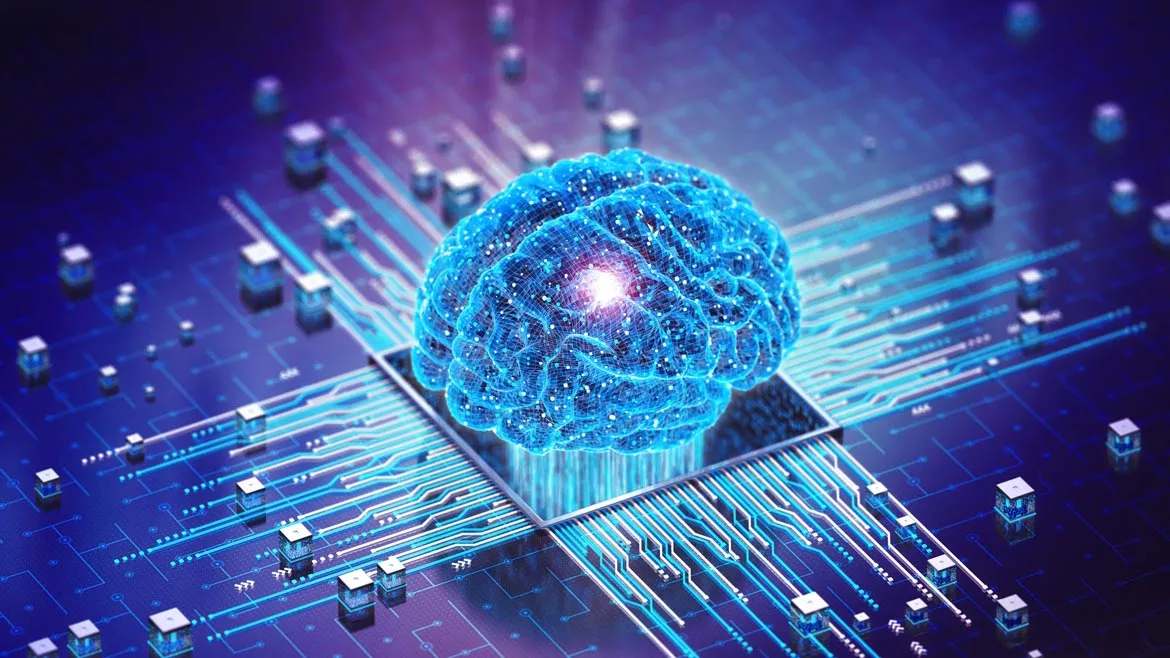
Cyber brain

BlackJack3D / E+ via Getty Images

March 18, 2025

As we advance into 2025, the cybersecurity landscape continues to evolve at an unprecedented pace. While discussions around AI's potential to revolutionize security teams are omnipresent, it's crucial not to lose sight of the foundational elements that underpin effective cybersecurity. Among these fundamentals, Identity and Access Management (IAM) remains a cornerstone, ensuring that only authorized individuals can access sensitive information and resources.

This article explores the core principles of cybersecurity, emphasizing the vital role of IAM and how AI can enhance these foundational elements to create a robust security framework.

The Pillars of Cybersecurity: Confidentiality, Integrity, and Availability

The fundamentals of cybersecurity can be organized into several key categories, providing a structured approach to implementing comprehensive security measures. One crucial category is Information Security (InfoSec), which encompasses the policies and procedures organizations use to protect their information assets. InfoSec is often built upon three primary objectives: Confidentiality, Integrity, and Availability (CIA).

  • Confidentiality: Like safeguarding a secret, confidentiality ensures that sensitive data remains protected from unauthorized access. Encryption is like putting information in a secure, locked box that only the recipient with the key can open. Access Control Lists (ACLs) act as digital bouncers, determining who enters and what they can access. Identity Management is like issuing IDs and verifying who is allowed entry into specific areas.
  • Integrity: Maintaining the accuracy and trustworthiness of data is paramount. Hashing acts like a tamper-evident seal; any change in the data alters its unique “fingerprint,” immediately signaling a breach. Version control, similar to tracking changes in a document, ensures that all modifications are recorded and reversible.
  • Availability: Ensuring that systems and data are accessible when needed is crucial. Redundancy, like having a spare tire, provides backup systems to maintain continuous operation. Failover mechanisms automatically switch to a standby system in case of failure, like a power generator kicking in during an outage. Regular maintenance ensures smooth operation by preventing issues before they arise.

By focusing on core areas such as InfoSec and IAM, and leveraging AI where appropriate, organizations can build robust security frameworks that protect against evolving threats.

IAM: Guarding Your Digital Kingdom

IAM is a crucial aspect of cybersecurity, focusing on ensuring that only authenticated and authorized individuals can access specific resources. It acts as the gatekeeper, controlling who gets in and what they can access. The two main components of IAM are Authentication and Authorization.

  • Authentication is the process of verifying the identity of users or systems. Effective authentication ensures that users are who they claim to be, protecting systems from unauthorized access. Common methods of authentication include:
    • Passwords: The most traditional form of authentication, requiring users to provide a secret string of characters.
    • Biometrics: Uses unique biological characteristics such as fingerprints, retina scans, or facial recognition to verify identity.
    • Multi-Factor Authentication (MFA): Combines two or more independent credentials, such as something you know (password), something you have (security token), and something you are (biometric verification). This adds an extra layer of security, making it much harder for attackers to gain access.
    • Digital Certificates: Utilizes a digital document that uses a digital signature to bind a public key with an identity. These are commonly used to secure websites and online transactions.
  • Authorization determines and grants permissions and privileges to users or systems after authentication. Ensuring proper authorization is critical for protecting resources and data from internal and external threats. Common methods of authorization include:
    • Role-Based Access Control (RBAC): Assigns access based on a user's role within an organization, simplifying the management of individual permissions. For example, a “marketing manager” role might have access to marketing data and tools, while a “finance manager” role would have access to financial systems.
    • Policy Enforcement: Implements policies that define what users can and cannot do within a system, ensuring adherence to organizational security policies.

The Rise of AI in Cybersecurity

While adhering to cybersecurity fundamentals is crucial, leveraging AI can significantly enhance the effectiveness of these measures. AI technologies can assist in identifying and mitigating potential threats more efficiently than traditional methods.

For instance, AI-powered systems can enhance IAM by:

  • Providing adaptive authentication methods: These analyze user behavior and context to dynamically adjust authentication requirements. For example, if a user tries to log in from an unusual location, the system might require additional authentication factors.
  • Detecting anomalies and suspicious activities: AI algorithms can analyze vast amounts of data to identify patterns and anomalies that might indicate a security breach.
  • Automating security tasks: AI can automate repetitive tasks such as vulnerability scanning and malware analysis, freeing up security teams to focus on more strategic initiatives.

AI can also assist in:

  • Strengthening data protection: AI can be used to identify and classify sensitive data, ensuring that appropriate security measures are in place.
  • Improving incident response: AI can help security teams respond to incidents more quickly and effectively by automating tasks such as threat analysis and containment.

Embracing the Future: A Balanced Approach

As we navigate the complexities of cybersecurity in 2025 and beyond, it is essential to remember that advanced technologies such as AI should complement, not replace, the fundamental principles of cybersecurity. By focusing on core areas such as InfoSec and IAM, and leveraging AI where appropriate, organizations can build robust security frameworks that protect against evolving threats.

Embracing both the fundamentals and innovations in cybersecurity is key to creating a resilient and secure digital future.

KEYWORDS: artificial intelligence (AI) data protection digital security

Share This Story

Looking for a reprint of this article?
From high-res PDFs to custom plaques, order your copy today!


Nigro headshot

Pam Nigro is the Vice President of Security and Security Officer at Medecision. She also is an ISACA Board Director and was the 2022-23 ISACA Board Chair. Image courtesy of Nigro

Recommended Content

JOIN TODAY
To unlock your recommendations.

Already have an account? Sign In

  • Iintegration and use of emerging tools

    Future Proof Your Security Career with AI Skills

    AI’s evolution demands security leaders master...
    Security Education & Training
    By: Jerry J. Brennan and Joanne R. Pollock
  • The 2025 Security Benchmark Report

    The 2025 Security Benchmark Report

    The 2025 Security Benchmark Report surveys enterprise...
    The Security Benchmark Report
    By: Rachelle Blair-Frasier
  • The Most Influential People in Security 2025

    Security’s Most Influential People in Security 2025

    Security Magazine’s 2025 Most Influential People in...
    Most Influential People in Security
    By: Security Staff
Manage My Account
  • Security Newsletter
  • eMagazine Subscriptions
  • Manage My Preferences
  • Online Registration
  • Mobile App
  • Subscription Customer Service

More Videos

Sponsored Content

Sponsored Content is a special paid section where industry companies provide high quality, objective, non-commercial content around topics of interest to the Security audience. All Sponsored Content is supplied by the advertising company and any opinions expressed in this article are those of the author and not necessarily reflect the views of Security or its parent company, BNP Media. Interested in participating in our Sponsored Content section? Contact your local rep!

close
  • critical event management
    Sponsored byEverbridge

    Why a Unified View Across IT, Continuity, and Security Makes or Breaks Crisis Response

  • Charlotte Star Room
    Sponsored byAMAROK

    In an Uncertain Economy, Security Is a Necessity - Not an Afterthought

  • Sureview screen
    Sponsored bySureView Systems

    The Evolution of Automation in the Command Center

Popular Stories

Cybersecurity trends of 2025

3 Top Cybersecurity Trends from 2025

Red laptop

Security Leaders Discuss SitusAMC Cyberattack

Green code

Logitech Confirms Data Breach, Security Leaders Respond

Neon human and android hands

65% of the Forbes AI 50 List Leaked Sensitive Information

The Louvre

After the Theft: Why Camera Upgrades Should Begin With a Risk Assessment

Top Cybersecurity Leaders

Events

September 18, 2025

Security Under Fire: Insights on Active Shooter Preparedness and Recovery

ON DEMAND: In today’s complex threat environment, active shooter incidents demand swift, coordinated and well-informed responses.

December 11, 2025

Responding to Evolving Threats in Retail Environments

Retail security professionals are facing an increasingly complex array of security challenges — everything from organized retail crime to evolving cyber-physical threats and public safety concerns.

View All Submit An Event

Products

Security Culture: A How-to Guide for Improving Security Culture and Dealing with People Risk in Your Organisation

Security Culture: A How-to Guide for Improving Security Culture and Dealing with People Risk in Your Organisation

See More Products

Related Articles

  • Smart watch security

    Securing the Digital Frontier: Strategies for Safeguarding Companies and Customers in the Age of Wearables

    See More
  • Computer screen with coding in colored text

    AI arms race: Cybersecurity defenders in the age of evolving threats

    See More
  • AI-powered phishing

    Combating the rising threat of AI-powered phishing attacks

    See More

Related Products

See More Products
  • The Database Hacker's Handboo

  • 9780367030407.jpg

    National Security, Personal Privacy and the Law

  • Physical Security and Safety: A Field Guide for the Practitioner

See More Products
×

Sign-up to receive top management & result-driven techniques in the industry.

Join over 20,000+ industry leaders who receive our premium content.

SIGN UP TODAY!
  • RESOURCES
    • Advertise
    • Contact Us
    • Store
    • Want More
  • SIGN UP TODAY
    • Create Account
    • eMagazine
    • Newsletter
    • Customer Service
    • Manage Preferences
  • SERVICES
    • Marketing Services
    • Reprints
    • Market Research
    • List Rental
    • Survey/Respondent Access
  • STAY CONNECTED
    • LinkedIn
    • Facebook
    • YouTube
    • X (Twitter)
  • PRIVACY
    • PRIVACY POLICY
    • TERMS & CONDITIONS
    • DO NOT SELL MY PERSONAL INFORMATION
    • PRIVACY REQUEST
    • ACCESSIBILITY

Copyright ©2025. All Rights Reserved BNP Media.

Design, CMS, Hosting & Web Development :: ePublishing