For years, there has been optimistic talk that drones – the popular name for UAVs (unmanned aerial vehicles) – would become ubiquitous and used for security purposes. And now, it’s happening. The drone-industry is becoming an increasingly promising technology-intensive industry, one that will employ far more workers than it does today while enhancing the efficiency and security of a variety of businesses.
Earlier this year, an investigation team hijacked thousands of printers all over the world to show just how vulnerable these devices can be if left unprotected. Too many organizations and individuals do not properly address them when discussing security strategies, physical or cyber, but if left unsecured, these devices can be real vulnerabilities.
In the U.S., critical infrastructure consists of sixteen essential sectors that make daily life possible. National critical functions are the functions of government and the private sector so vital to the U.S. that their disruption, corruption, or dysfunction would have a debilitating effect on security, national economic security, national public health or safety. Here, we talk to Brian Harrell about the importance of protecting critical infrastructure, the threats and hazards that pose the greatest risks to critical infrastructure and more.
The risk of a disinformation attack against an enterprise or large organization is increasingly serious and needs to be included in a company's risk preparedness contingency planning.
If an armed assailant started shooting in your facility, could you, your employees and your organization survive? If your answer is "I have no idea," now's the time to take a proactive approach to preventing violence.
From introducing contactless payment options to offering new virtual services, small businesses moved swiftly to expand their offerings and digital capabilities in light of social distancing guidelines. In the midst of these changes, however, it’s critical for small businesses and restaurants to make sure they’re guarding against potential cyber threats. Here are key steps they can take to help ensure that they stay protected.
How do we respond to this increased focus on security? One option would be to simply increase the security standards being enforced. Unfortunately, it’s unlikely that this would create substantial improvements. Instead, we should be talking about restructuring security policies. In this post, we’ll examine how security standards look today and 5 ways they can be dramatically improved with new approaches and tooling.
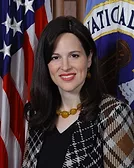
President-elect Joe Biden has tapped Anne Neuberger for the cybersecurity slot on the National Security Council (NSC). Neuberger, who joined the NSA more than a decade ago and has been serving as the agency’s director of cybersecurity since 2019, will be named deputy national security adviser for cybersecurity in the incoming NSC, according to Politico.
Many organizations are planning to continue with remote work until at least late spring 2021 while others will continue to migrate to a distributed workforce as part of their long-term business plans. With all of this in mind, a quick look at the cybersecurity, privacy, and compliance Magic 8 Ball indicates that “all signs point to yes” for continued attacks and digital transformation.
 RSS
RSS