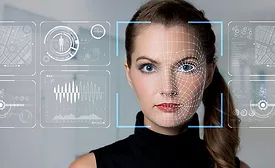
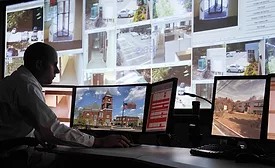
The Internet of Things (IoT) continues to be a driving force behind smart buildings, with the ability to optimize all areas of building operations – from HVAC to surveillance, offering massive potential for facility owners and system integrators to create added value for customers. While goals such as reducing energy consumption and space utilization are still priorities, building owners and operators are searching for solutions to help make workspaces and common areas safe and useable, abiding by new health and safety guidelines. Security professionals are also searching for ways to leverage and augment their technology infrastructure to contribute to the overall safety of their facility, beyond the traditional capabilities of access control and surveillance.
Nearly 80% of the companies surveyed had experienced at least one cloud data breach in the past 18 months, and nearly half (43%) reported 10 or more breaches, according to a new study from Ermetic and intelligence firm IDC.
How are IT and security professionals across a variety of industries including finance, IT and media managing identity and access management (IAM) programs?
COVID-19 may mean the end of the open office plan, in-person conferences and handshakes. How has cybersecurity changed, and what new role will CISOs play?
With the sudden shift to work-from-home operations, CISOs and security teams have an important role in strengthening business continuity by ensuring that current and future remote cybersecurity work policies do not create tradeoffs between usability and security. What are three steps to address this issue?
M&T Bank Stadium, home of the Baltimore Ravens, has been recognized by the United States Department of Homeland Security (DHS) with a SAFETY Act Designation, acknowledging excellence in gameday security practices.
Perhaps the most significant security advancement made at the enterprise level over the last two decades has not been technology, but rather its perception.
 RSS
RSS