In a hearing by the House Intelligence Committee, John Cohen, Head of the Department of Homeland Security (DHS) Office of Intelligence and Analysis explained steps that DHS has taken to prevent domestic terrorism and violence since the U.S. Capitol building was breached by rioters on January 6, 2021.
Brigid Farm, a New England-based cannabis firm, has upgraded security at its production facilities and retail spaces with a new video management system from Salient Systems. Read more about the solution in this case study.
Security professionals and enterprise leaders need to consider four key healthcare factors when planning business travel as the COVID-19 pandemic nears the end of its second year.
The Emelda Sun Club, a resort in Antalya City, Turkey, faces threats of unauthorized access from both land and sea. The resort has instituted a security plan involving radar cameras, security officers and lighting to mitigate the threats it faces.
Organizations need to maintain balance in their security approach. The most secure organizations have support from senior leadership and follow these seven steps to protect their assets and collaborate as a team.
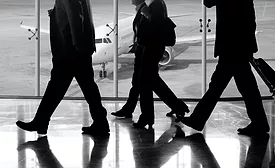
Non-citizen travelers will be able to enter the U.S. for any reason via its land borders, beginning on November 8th. Entry will be permitted to travelers adhering to the new Department of Homeland Security (DHS) travel guidance.
November is Infrastructure Security Month and a time to think about how organizations can contribute to the security and resilience of the U.S.'s essential services and functions.
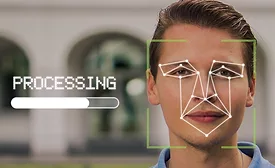
The newly introduced "My Number" ID cards, equipped with facial recognition authentication, consolidate the personal information of Japanese citizens and residents, aiming to simplify the process of accessing government services like social security and healthcare. Read more about this case study here.
More than 2,000 New York City first responders are taking medical leave as the COVID-19 vaccine mandate for municipal employees went into effect. According to New York City Fire Department
Commissioner Daniel A. Nigro, many people are calling in sick to protest the vaccine mandate.
 RSS
RSS