Security Magazine logo
search
cart
facebook twitter linkedin youtube
  • Sign In
  • Create Account
  • Sign Out
  • My Account
Security Magazine logo
  • NEWS
    • Security Newswire
    • Technologies & Solutions
  • MANAGEMENT
    • Leadership Management
    • Enterprise Services
    • Security Education & Training
    • Logical Security
    • Security & Business Resilience
    • Profiles in Excellence
  • PHYSICAL
    • Access Management
    • Fire & Life Safety
    • Identity Management
    • Physical Security
    • Video Surveillance
    • Case Studies (Physical)
  • CYBER
    • Cybersecurity News
    • More
  • BLOG
  • COLUMNS
    • Career Intelligence
    • Cyber Tactics
    • Cybersecurity Education & Training
    • Leadership & Management
    • Security Talk
  • EXCLUSIVES
    • Annual Guarding Report
    • Most Influential People in Security
    • The Security Benchmark Report
    • Top Guard and Security Officer Companies
    • Top Cybersecurity Leaders
    • Women in Security
  • SECTORS
    • Arenas / Stadiums / Leagues / Entertainment
    • Banking/Finance/Insurance
    • Construction, Real Estate, Property Management
    • Education: K-12
    • Education: University
    • Government: Federal, State and Local
    • Hospitality & Casinos
    • Hospitals & Medical Centers
    • Infrastructure:Electric,Gas & Water
    • Ports: Sea, Land, & Air
    • Retail/Restaurants/Convenience
    • Transportation/Logistics/Supply Chain/Distribution/ Warehousing
  • EVENTS
    • Industry Events
    • Webinars
    • Solutions by Sector
    • Security 500 Conference
  • MEDIA
    • Interactive Spotlight
    • Photo Galleries
    • Podcasts
    • Polls
    • Videos
      • Cybersecurity & Geopolitical Discussion
      • Ask Me Anything (AMA) Series
  • MORE
    • Call for Entries
    • Classifieds & Job Listings
    • Newsletter
    • Sponsor Insights
    • Store
    • White Papers
  • EMAG
    • eMagazine
    • This Month's Content
    • Advertise
  • SIGN UP!
ColumnsCybersecurityCyber Tactics ColumnLogical SecuritySecurity & Business Resilience

Cyber Tactics

Securing Trust: Why Crisis Communication is Your First Line of Defense

Trust is lost in minutes during a crisis, and clear, human communication is the only way to win it back.

By Pam Nigro, Contributing Writer
Cyber ​​attack, system hacking
Sefa Kart / iStock / Getty Images Plus via Getty Images
January 30, 2026

"Who You Gonna Call?" is a fun movie quote, but in a security breach, it’s the question that keeps CISOs awake at night.

Most security frameworks focus heavily on the technical side of incident response — patching the hole, stopping the exfiltration, and restoring backups. But the battle for your organization’s survival often isn’t won in the server room; it’s won in the inbox and on social media.

Crisis communication isn't just “PR's problem” — it is a functional security control. If we lose the narrative, we lose trust.

The Reality of the Panic Spiral

When an incident hits, information vacuums are dangerous. If you don’t fill the silence, someone else will — usually with rumors, fear or bad data.

Effective communication does four things immediately:

  1. Kills the Panic: It gives employees and stakeholders a "north star" to follow.
  2. Protects the Brand: It shows you are competent, even if you are currently vulnerable.
  3. Clears the Airwaves: It stops the Incident Commander from being bombarded by "What's happening?!" emails so they can actually fix the problem.
  4. Beats the Clock (and the Fines): Whether it's the SEC's 4-day rule, GDPR's 72-hour window, or HIPAA notifications, the regulatory clock starts ticking the moment you confirm a material incident. You do not want to be drafting legal notifications from scratch while your hair is on fire. A solid comms plan ensures you meet those hard deadlines, preventing an operational crisis from turning into a massive regulatory penalty.

The Playbook: What Actually Works

We all know we need a plan, but a 50-page binder that gathers dust isn't a plan; it's a paperweight. A usable strategy focuses on agility over perfection.

1. Accuracy Over Speed — But Not by Much: There is massive pressure to "say something" immediately. This is where companies get burned (remember the confusing initial statements from the Equifax breach?).

  • The Golden Rule: It is better to say, “We are aware of an issue and are investigating,” than to guess, be wrong, and have to retract it later. A retraction kills credibility faster than silence does.

2. Define the “Wartime” Roles: During a calm Tuesday, the Marketing VP approves press releases. During a breach on a Saturday night, that chain of command might be too slow. You need a streamlined roster:

  • The Truth Teller: Who finds the facts? (Security/Ops)
  • The Scribe: Who writes the message? (Comms)
  • The Gavel: Who has the final “Go/No-Go” on hitting send? (Legal/Exec)

We can't prevent every crisis. Threats evolve too fast. But we can control how we react. When the dust settles, people might forgive a security lapse, but they rarely forgive a cover-up or a chaotic, insensitive response.

3. Choose Your Channels Before the Fire Starts: If your email system is the thing that got hacked, how do you tell employees not to open email? You need “out-of-band” communication channels established now. Whether that’s a mass-texting service, a dark site hosted on a separate server, or a dedicated Slack channel — have a backup way to talk when the primary lines are cut.

4. The “Hot Wash” (Post-Incident Review): Survival isn’t the same as success. Once the smoke clears, you have to audit your communication performance just as strictly as your technical response. Did the press release take too long to approve? Did the tone of your social posts calm the waters or stir the pot? Analyze the media sentiment and stakeholder feedback honestly. Most importantly, update the plan immediately. If you don't operationalize the lessons learned, you're doomed to repeat the same fumbles next time. Don’t forget to integrate revised communications steps into your IR plan and re-train teams.

The Human Element: Don't Sound Like a Robot

ISACA State of Cybersecurity research shows the importance of communications skills for security professionals, but this is where most technical teams struggle. We want to speak in technicalities — “mitigation strategies” and “attack vectors.” The public wants to hear empathy and ownership.

If people’s data is at risk, they are scared. A sterile corporate statement feels like a slap in the face.

  • Be Human: Use plain language. “We are sorry this happened,” goes a long way. Legal-approved language doesn't have to sound robotic; pre-scripting human responses ensures you have alignment before the crisis hits.
  • Be Transparent: If you don't know something yet, admit it. “We don't have the full scope yet, but we will update you in two hours.” However, be cautious with timelines. Only promise updates on a cadence you can realistically sustain.
  • Be Ethical: Don't hide the ball. If you made a mistake, own it, fix it, and explain how you’ll prevent it next time.

Practicing the “Soft” Skills

You probably simulate phishing attacks and run disaster recovery drills. But when was the last time you ran a drill on drafting a press release while the legal team screamed at you? Integrate a comms lead into every major tabletop.

Tabletop exercises need to include the communication layer. Make the executives sit in a room and actually draft the social post they would send if the customer database leaked. It exposes the cracks in your process faster than any theoretical meeting ever will.

Final Thoughts

We can't prevent every crisis. Threats evolve too fast. But we can control how we react. When the dust settles, people might forgive a security lapse, but they rarely forgive a cover-up or a chaotic, insensitive response.

Review your plan tonight. Not the 50-page binder — the one-page cheat sheet you'd grab at 3:00 a.m. If it doesn't exist, you just found your next project. If it does exist, does it work? If not, fix it now.

KEYWORDS: business continuity planning digital security security culture testing security tools

Share This Story

Looking for a reprint of this article?
From high-res PDFs to custom plaques, order your copy today!


Nigro headshot

Pam Nigro is the Vice President of Security and Security Officer at Medecision. She also is an ISACA Board Director and was the 2022-23 ISACA Board Chair. Image courtesy of Nigro

Recommended Content

JOIN TODAY
To unlock your recommendations.

Already have an account? Sign In

  • Cyber tech background

    Security’s Top Cybersecurity Leaders 2026

    Security magazine’s Top Cybersecurity Leaders 2026 award...
    Cybersecurity
  • Iintegration and use of emerging tools

    Future Proof Your Security Career with AI Skills

    AI’s evolution demands security leaders master...
    Columns
    By: Jerry J. Brennan and Joanne R. Pollock
  • The 2025 Security Benchmark Report

    The 2025 Security Benchmark Report

    The 2025 Security Benchmark Report surveys enterprise...
    The Security Benchmark Report
    By: Rachelle Blair-Frasier
Manage My Account
  • Security Newsletter
  • eMagazine Subscriptions
  • Manage My Preferences
  • Online Registration
  • Mobile App
  • Subscription Customer Service

More Videos

Popular Stories

Opened padlock on computer keyboard

10 Data Breaches to Know About (April 2026)

Laptop with desktop screen showing

Research: Microsoft Edge Loads Stored Passwords in Cleartext

Diverse Team Collaborating on Business Analysis

12 Tips for Building an Effective Security Budget

Laptop in darkness

Reframing MFA Bypass: Four Identity Gaps Attackers Exploit

Nurse

Why De-Escalation Must Be Part of a Layered Safety Strategy in Healthcare

SEC 2026 Benchmark Banner

Events

June 3, 2026

The Role of AI and Video in Measuring Health, Safety, and Security Standards

OSHA fines grab headlines, but most compliance issues start with everyday operational gaps: missed protocols, unsecured areas, or slow response. Learn how emerging technologies & AI can be leveraged towards a more proactive model of compliance.

June 10, 2026

Applying Agentic AI in Security Operations for Faster Decisions & Better Outcomes

Security teams have never had more visibility. We’ll explore how a new decision layer is helping security teams move from detection to decision. Turn alerts into decision-ready context, reducing reliance on manual triage and enabling faster action.

View All Submit An Event

Products

Security Culture: A How-to Guide for Improving Security Culture and Dealing with People Risk in Your Organisation

Security Culture: A How-to Guide for Improving Security Culture and Dealing with People Risk in Your Organisation

See More Products
Solutions by Sector webinar promo


The Role of AI and Video - Free Webinar - June 3, 2026

Related Articles

  • Understanding the Distinct and Dependent Roles of Data, Privacy and Cybersecurity Professionals

    Liberating network management: Your first line of cyber defense

    See More
  • enterprise wide cybersecurity training

    The first line of defense: Why employees are the key to stronger cybersecurity

    See More
  • code-enews

    Don't Shift Left, Start Left: Why Developers Should Be the First Line of Defense

    See More

Related Products

See More Products
  • Security of Information and Communication Networks

  • physical security.webp

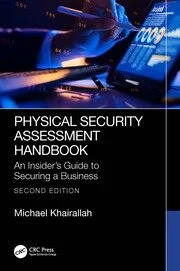
    Physical Security Assessment Handbook An Insider’s Guide to Securing a Business

  • 1119490936.jpg

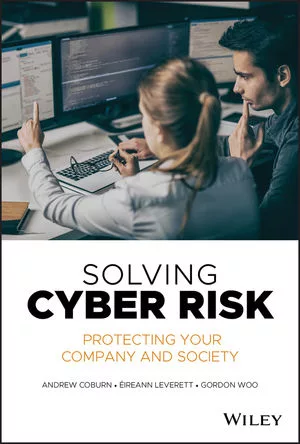
    Solving Cyber Risk: Protecting Your Company and Society

See More Products
×

Sign-up to receive top management & result-driven techniques in the industry.

Join over 20,000+ industry leaders who receive our premium content.

SIGN UP TODAY!
  • RESOURCES
    • Advertise
    • Contact Us
    • Store
    • Want More
  • SIGN UP TODAY
    • Create Account
    • eMagazine
    • Newsletter
    • Customer Service
    • Manage Preferences
  • SERVICES
    • Marketing Services
    • Reprints
    • Market Research
    • List Rental
    • Survey/Respondent Access
  • STAY CONNECTED
    • LinkedIn
    • Facebook
    • YouTube
    • X (Twitter)
  • PRIVACY
    • PRIVACY POLICY
    • TERMS & CONDITIONS
    • DO NOT SELL MY PERSONAL INFORMATION
    • PRIVACY REQUEST
    • ACCESSIBILITY

Copyright ©2026. All Rights Reserved BNP Media, Inc. and BNP Media II, LLC.

Design, CMS, Hosting & Web Development :: ePublishing