The confluence of social media, digital mobile devices, sensors and location-based technology is generating unprecedented volumes of information about society and individuals.
The University of Chicago Medical Center in 2017 announced that it was creating a partnership with Google to use data from patients’ electronic medical records to help make better predictions and advance artificial intelligence in medicine.
Researchers at UC Berkeley and USC are creating new techniques to detect deepfakes, hyper-realistic AI-generated videos of people doing or saying things they never did or said.
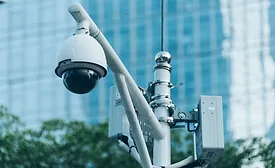
In the monitoring and surveillance sector, Artificial Intelligence based solutions such as Intelligent Video Analytics (IVA), are entering the mainstream as they reach levels of refinement, usability and affordability.
With San Francisco banning the use of facial recognition technologies for their local agencies, the debate on the efficacy of the technology has risen back into the national debate arena.
Security teams today are under-staffed, over-worked, under-funded and struggling to stay abreast of the ever-changing threat landscape. Many security analysts work long hours poring over millions of security events to protect systems and fix vulnerabilities. Simply put, there is too much information and not enough analysts. Fortunately, humans are not the only answer for solving the cybersecurity crisis.
Think back to 2009 and the phone you owned. While the phone you carry today might not look that different, a smartphone or its equivalent is far more powerful than it was just 10 years ago. While it is relatively easy for businesses to track the evolution of phone technology, have they similarly considered how their own corporate security departments have changed during the same period?