Business security leaders must understand the importance of their role in organizational resilience. To stay relevant and succeed in times of rapid change and increasing uncertainty, businesses can leverage digitization to manage risk and become more adaptable.
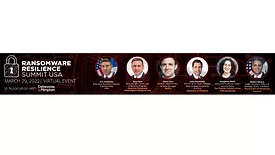
Join business leaders and experts in Washington, D.C. this March for the 2022 Ransomware Resilience Summit USA to share lessons learned and enable organizations to better protect themselves.
The Innovation Institute for Fan Experience conference will take place May 24-25, 2022 in Las Vegas, covering changes to the health, safety and security landscape within sports and entertainment.
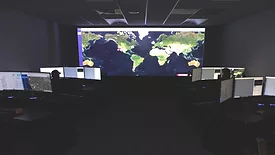
A popular social gaming company turned to a virtual global security operations center (vGSOC) service when its threat landscape shifted dramatically due to the COVID-19 pandemic.
Risk assessments, security and business continuity plans, threat monitoring and more can help enterprise security professionals maintain safety in a winter weather emergency.
The 2022 Ransomware Resilience Summit Europewill bring organizations and expert advisors together to benchmark resilience and business continuity planning, share lessons learned and enable businesses to better protect themselves.
Many agencies don’t have the ability to collect, centralize and analyze all the data from remote endpoints. Even if they do, the data collection is not fast enough. Enter the American Rescue Plan and capitalize on it to boost your security infrastructure.
As employees return back to the office, challenges continue to unfold and the best way to approach many of the computers and systems that have been off company premises for so long is to regard them as potentially infected.