In April 2016, a drone struck an Airbus A320 British Airways flight as it approached its destination, London Heathrow, following a departure from Geneva.
Industry decision-makers need to re-think their hiring strategies. Sure, those credentials sound great. Problem is, likelihood of hardened mindsets is enhanced tenfold because of them. While a candidate may have the juice under the hood, this doesn’t necessarily mean they’re willing to hit the gas when it counts. When interviewing seasoned candidates, focus on change.
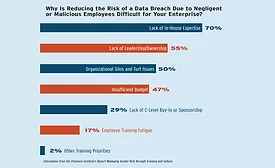
Sixty-six percent of data protection leaders admit that employees are the weakest link in an enterprise’s security posture, and 55 percent of organizations have had a security incident or data breach due to a malicious or negligent employee, according to the Ponemon Institute’s report on Managing Insider Risk through Training and Culture.
According to Lance Hayden, Managing Director of Berkeley Research Group, harnessing the power of people and culture is the next great frontier for information security.
When it comes to cybersecurity, school districts don’t present the content-rich targets that major corporations or government agencies might, but they also don’t have the same resources to protect themselves, says Jim Flanagan, chief learning service officer at the International Society for Technology in Education.
In previous columns I have discussed individual self-assessment of your personal style and soft skills that aid in development of a career plan and can help convey your message in a resume.