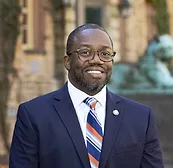
Jason Lobell, the new Chief Technology Officer (CTO) at Cyber Defense Labs, has protected company operations from cyber threats and built and managed security operations centers on behalf of a range of multinational companies.
John Kreul will oversee the operations and strategy of Jewelers Mutual Group's technology department as the insurance provider's Chief Information Officer.
Minnesota IT Services, the state cybersecurity and information technology agency, added cloud protection from Radware to better serve the Minnesota community. Read more about the solution in this case study.
Kinamo Lomon, who has over twenty years of law enforcement experience, has been named the Director of Operations for Princeton University's Department of Public Safety.
Work and life can coexist. Security leaders, at all levels, are responsible for setting precedents, norms and boundaries so their teams have quality time that can help to decrease the risk of burnout and promote strong norms for well-being.
The Department of Homeland Security (DHS) has requested feedback from industry leaders and interested parties on the subject of artificial intelligence, including facial recognition. The technologies have been used widely by the department, but DHS highlighted concerns around bias and privacy that follow AI and facial recognition implementations.
This Veterans Day, Security speaks with three veterans who now hold roles across the private sector about how military service informs their current positions, including GardaWorld's Lisa Bateman, DC Shared Human Resources/Talent Acquisition Specialist; David Bradney, Central Region Vice President of GardaWorld Security Services US; and Microsoft's Senior Special Security Operations Manager Ben Brown.
.webp?height=168&t=1638552147&width=275 "Untitled-design-(3).png")
.webp?height=168&t=1637690862&width=275 "Untitled-design-(2).png")
.webp?height=168&t=1637597816&width=275 "Untitled-design-(1).png")