Security Magazine logo
search
cart
facebook twitter linkedin youtube
  • Sign In
  • Join Today
  • Sign Out
  • My Account
Security Magazine logo
  • NEWS
    • Security Newswire
    • Technologies & Solutions
  • MANAGEMENT
    • Leadership Management
    • Enterprise Services
    • Security Education & Training
    • Logical Security
    • Security & Business Resilience
    • Profiles in Excellence
  • PHYSICAL
    • Access Management
    • Fire & Life Safety
    • Identity Management
    • Physical Security
    • Video Surveillance
    • Case Studies (Physical)
  • CYBER
    • Cybersecurity News
    • More
  • BLOG
  • COLUMNS
    • Career Intelligence
    • Cyber Tactics
    • Cybersecurity Education & Training
    • Leadership & Management
    • Security Talk
  • EXCLUSIVES
    • Annual Guarding Report
    • Most Influential People in Security
    • The Security Benchmark Report
    • Top Guard and Security Officer Companies
    • Top Cybersecurity Leaders
    • Women in Security
  • SECTORS
    • Arenas / Stadiums / Leagues / Entertainment
    • Banking/Finance/Insurance
    • Construction, Real Estate, Property Management
    • Education: K-12
    • Education: University
    • Government: Federal, State and Local
    • Hospitality & Casinos
    • Hospitals & Medical Centers
    • Infrastructure:Electric,Gas & Water
    • Ports: Sea, Land, & Air
    • Retail/Restaurants/Convenience
    • Transportation/Logistics/Supply Chain/Distribution/ Warehousing
  • EVENTS
    • Industry Events
    • Webinars
    • Solutions by Sector
    • Security 500 Conference
  • MEDIA
    • Interactive Spotlight
    • Photo Galleries
    • Podcasts
    • Polls
    • Videos
      • Cybersecurity & Geopolitical Discussion
      • Ask Me Anything (AMA) Series
  • MORE
    • Call for Entries
    • Classifieds & Job Listings
    • Newsletter
    • Sponsor Insights
    • Store
    • White Papers
  • EMAG
    • eMagazine
    • This Month's Content
    • Advertise
  • JOIN
CybersecurityManagementSecurity NewswireSecurity Enterprise ServicesSecurity Leadership and ManagementLogical SecuritySecurity & Business ResilienceSecurity Education & TrainingAccess ManagementCybersecurity News

What makes an identity? 
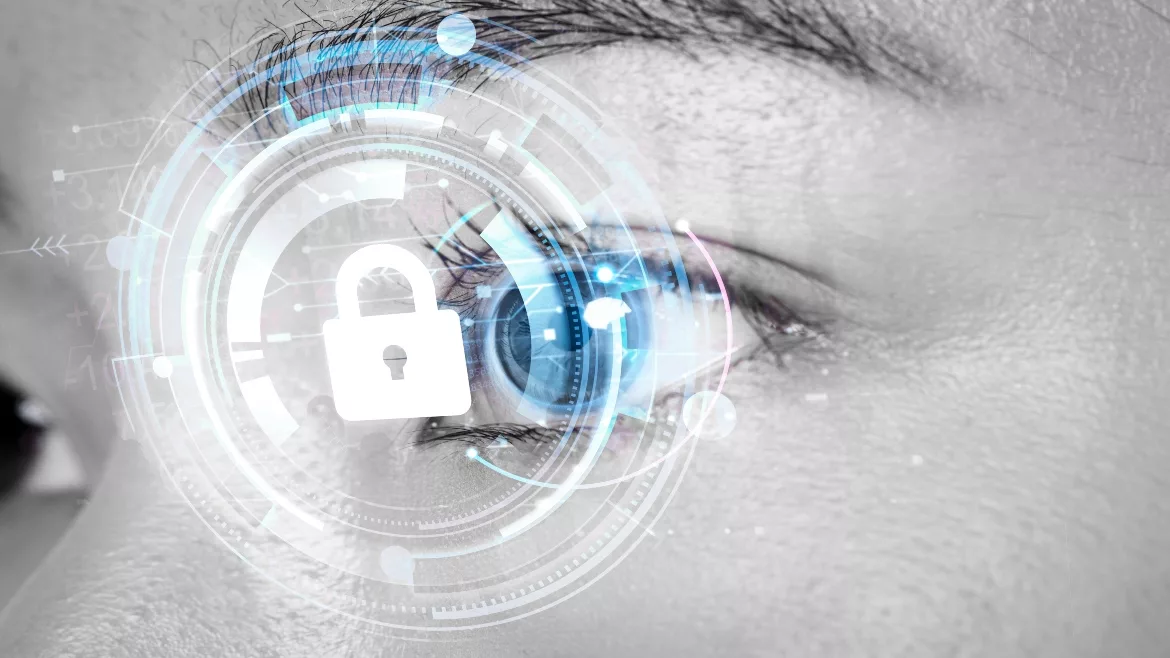
By Kimberly Biddings
biometrics-freepik1170x658.jpg
April 14, 2022

As organizations work to prioritize cybersecurity and develop trust in online interactions, innovative solutions to identity and access management (IAM) are emerging to create convenient and secure systems for authentication. Companies are looking for methods to manage access, stop data breaches, and have confidence in the identity of the person completing any transaction. Maintaining control over who can access what and where they are able to gain access is key for an organization to secure its data and protect its reputation. But while some methods for verification allow the company to manage access, others dilute their control over security and fall short of actually verifying an individual’s identity. 


Methods used in multi-factor authentication

Multi-factor authorization (MFA) methods have become the industry standard and commonly employ a mix of passwords, one-time passwords (OTP) sent to a different device or biometric measurements. By using a combination of these, companies can reduce the threat of a data breach by 80-90%. Professionals think of these as three categories for authentication, things you know, things you have, and things you are. Passwords and safety questions are things you know. These methods are particularly susceptible to phishing and need to be backed up with another method. OTPs and physical tokens are based on things you have. By sending a passcode to another device, you prove you possess access to that device. Of course, tokens and phones can be handed off or misplaced, and confirming a device is not the same as confirming the person using it. 


Identity-bound biometric measurements give the user a convenient way to authenticate who they are. Fingerprints, voice recognition, and other biometric methods are nontransferable; they can’t be lost, stolen, or faked. But beyond a secure method for authentication and the convenience for the user, companies are also considering the best ways to manage access and retain control over the integrity of their cybersecurity practices. 


Device-based and identity-bound approaches 

Even with biometric authentication methods, organizations need to understand differences in the level of security device-based biometrics offer versus identity-bound approaches. One of the key security differences is who has control over the biometric enrollment. With device-based biometrics, the power of enrollment is given to the user rather than the company. The user’s identity is enrolled and stored on the device, giving anyone with access to the device the ability to enroll additional users. When companies surrender the power of enrollment, they develop a security blind spot. They can verify that an enrolled user acted on an approved device, but this falls short of the company actually confirming that the enrolled user is the authorized user they intend to have access. What is being verified is an encrypted key from a device that ultimately has no direct connection to the person themselves. 


Identity-bound biometrics have users enroll their biometric measurements, which the organization then stores. For example, the data from a fingerprint is enrolled with the company, encrypted, algorithmically changed, and stored to be paired with the input from a user logging in, going through the same encryption and algorithmic process. By centralizing the biometric templates, organizations gain two distinct advantages. First, they can grant or restrict access to a single user across multiple devices and locations. This means that the authentication needed to log in can be verified from any device rather than enrolling a user onto every device they need access to, giving the user the flexibility to switch from device to device without re-enrollment. This agility and convenience are especially important when a worker deals with sensitive information, like financial statements across multiple locations.


Second, centralized enrollment also closes the security gap present in device-based options where unauthorized enrollments are possible based on access to the device. By maintaining the power to choose who has and does not have access centrally rather than on the device, unauthorized users cannot exploit device access to gain entry to the system at large. 


While biometrics offer a secure way to confirm a person’s identity, how that data is stored and managed impacts its level of security and, even more importantly, its integrity. In order to build trust and maintain a good reputation, companies need to factor in their own visibility into the identity of users accessing their systems beyond what a person knows or what they own and into the realm of actually verifying who they are. By keeping the power of enrollment, companies can stop data breaches or leaks, manage access across platforms and devices, and trust that the user is whom they say they are.  

KEYWORDS: authentication biometrics cyber security data protection multi-factor authentication risk management

Share This Story

Looking for a reprint of this article?
From high-res PDFs to custom plaques, order your copy today!
Kimberly Biddings has more than 10 years of cybersecurity and identity and access management (IAM) market knowledge and experience, gained across multiple authentication and cybersecurity firms. As VP of Product at Bio-key International, Biddings is focused on driving growth. Biddings is a thought leader and advocate for evolving the way organizations and people approach cybersecurity.

Recommended Content

JOIN TODAY
To unlock your recommendations.

Already have an account? Sign In

  • SEC 2026 Benchmark Report

    2026 Security Benchmark Report

    The 2026 Security Benchmark Report surveys enterprise...
    The Security Benchmark Report
    By: Rachelle Blair-Frasier
  • Cyber tech background

    Security’s Top Cybersecurity Leaders 2026

    Security magazine’s Top Cybersecurity Leaders 2026 award...
    Cybersecurity
  • Iintegration and use of emerging tools

    Future Proof Your Security Career with AI Skills

    AI’s evolution demands security leaders master...
    Security Education & Training
    By: Jerry J. Brennan and Joanne R. Pollock
Manage My Account
  • Join Security
  • Manage My Preferences
  • Customer Service

More Videos

Sponsored Content

Sponsored Content is a special paid section where industry companies provide high quality, objective, non-commercial content around topics of interest to the Security audience. All Sponsored Content is supplied by the advertising company and any opinions expressed in this article are those of the author and not necessarily reflect the views of Security or its parent company, BNP Media. Interested in participating in our Sponsored Content section? Contact your local rep!

close
  • Northland Controls sponsored content
    Sponsored byNorthland Controls

    The Execution Gap: Why Great Security Design Doesn't Always Deliver Great Security

Popular Stories

Laptop with green code

FBI Removes Accenture Contractor Following Employee Data Breach

ship in the water

Tariffs and Supply Chain Security: An Emerging Security Challenge

classroom

Key Considerations for Outsourcing Security

multicolored school lockers

The Unintended Consequences: Why "Quick Fix" Security May Compromise Life Safety

Man in suit looking out window at city

Does Your CISO Have the Authority the Job Now Requires?


2026 Security Benchmark Report

Events

November 12, 2026

Beyond the Midterms & What Political Violence Means for Corporate Security in 2027

LIVE: November 12, 2026 at 2 PM EST Practical guidance on political violence for corporations is missing. We'll walk through the four-phase framework at the heart of a new guide, built specifically for corporate security and intelligence teams.

November 18, 2026

How Agentic AI Transforms Incident Response from Alert to Evidence

LIVE: November 18, 2026 at 2 PM EST Learn how FTK Central, FTK Connect, APIs, SOAR integrations, endpoint agents, and ARMOUR can work together to move from security alert to defensible evidence with dramatically less manual intervention. 

View All Submit An Event

Products

Security Culture: A How-to Guide for Improving Security Culture and Dealing with People Risk in Your Organisation

Security Culture: A How-to Guide for Improving Security Culture and Dealing with People Risk in Your Organisation

See More Products

Related Articles

  • Blank name tags and markers

    90% of organizations experienced an identity incident this past year

    See More
  • What Makes a Great Security Leader?

    See More
  • pipeline in winter

    Critical infrastructure cyberattacks: An impetus for identity-first security

    See More

Events

View AllSubmit An Event
  • August 25, 2026

    Critical Infrastructure Security Is National Security: Protecting Essential Operations in an Era of Escalating Risk

    ON DEMAND: Learn why critical infrastructure security has become a national security imperative, and the strategies organizations can adopt to improve visibility, collaboration, and response across their security operations.
View AllSubmit An Event
×

Sign-up to receive top management & result-driven techniques in the industry.

Join over 20,000+ industry leaders who receive our premium content.

JOIN TODAY!
  • RESOURCES
    • Advertise
    • Contact Us
    • Store
  • JOIN TODAY
    • Create Account
    • eMagazine
    • Newsletter
    • Customer Service
    • Manage Preferences
  • SERVICES
    • Marketing Services
    • Reprints
    • Market Research
    • List Rental
    • Survey/Respondent Access
  • STAY CONNECTED
    • LinkedIn
    • Facebook
    • YouTube
    • X (Twitter)
  • PRIVACY
    • PRIVACY POLICY
    • TERMS & CONDITIONS
    • DO NOT SELL MY PERSONAL INFORMATION
    • PRIVACY REQUEST
    • ACCESSIBILITY

Copyright ©2026. All Rights Reserved BNP Media, Inc. and BNP Media II, LLC.

Design, CMS, Hosting & Web Development :: ePublishing