Security Magazine logo
search
cart
facebook twitter linkedin youtube
  • Sign In
  • Create Account
  • Sign Out
  • My Account
Security Magazine logo
  • NEWS
    • Security Newswire
    • Technologies & Solutions
  • MANAGEMENT
    • Leadership Management
    • Enterprise Services
    • Security Education & Training
    • Logical Security
    • Security & Business Resilience
    • Profiles in Excellence
  • PHYSICAL
    • Access Management
    • Fire & Life Safety
    • Identity Management
    • Physical Security
    • Video Surveillance
    • Case Studies (Physical)
  • CYBER
    • Cybersecurity News
    • More
  • BLOG
  • COLUMNS
    • Career Intelligence
    • Cyber Tactics
    • Cybersecurity Education & Training
    • Leadership & Management
    • Security Talk
  • EXCLUSIVES
    • Annual Guarding Report
    • Most Influential People in Security
    • The Security Benchmark Report
    • Top Guard and Security Officer Companies
    • Top Cybersecurity Leaders
    • Women in Security
  • SECTORS
    • Arenas / Stadiums / Leagues / Entertainment
    • Banking/Finance/Insurance
    • Construction, Real Estate, Property Management
    • Education: K-12
    • Education: University
    • Government: Federal, State and Local
    • Hospitality & Casinos
    • Hospitals & Medical Centers
    • Infrastructure:Electric,Gas & Water
    • Ports: Sea, Land, & Air
    • Retail/Restaurants/Convenience
    • Transportation/Logistics/Supply Chain/Distribution/ Warehousing
  • EVENTS
    • Industry Events
    • Webinars
    • Solutions by Sector
    • Security 500 Conference
  • MEDIA
    • Interactive Spotlight
    • Photo Galleries
    • Podcasts
    • Polls
    • Videos
      • Cybersecurity & Geopolitical Discussion
      • Ask Me Anything (AMA) Series
  • MORE
    • Call for Entries
    • Classifieds & Job Listings
    • Continuing Education
    • Newsletter
    • Sponsor Insights
    • Store
    • White Papers
  • EMAG
    • eMagazine
    • This Month's Content
    • Advertise
  • SIGN UP!
ManagementPhysicalSecurity Enterprise ServicesSecurity Leadership and ManagementSecurity & Business ResilienceFire & Life SafetyPhysical Security

Mitigating workplace violence in healthcare with mass notification
By Paul Shain
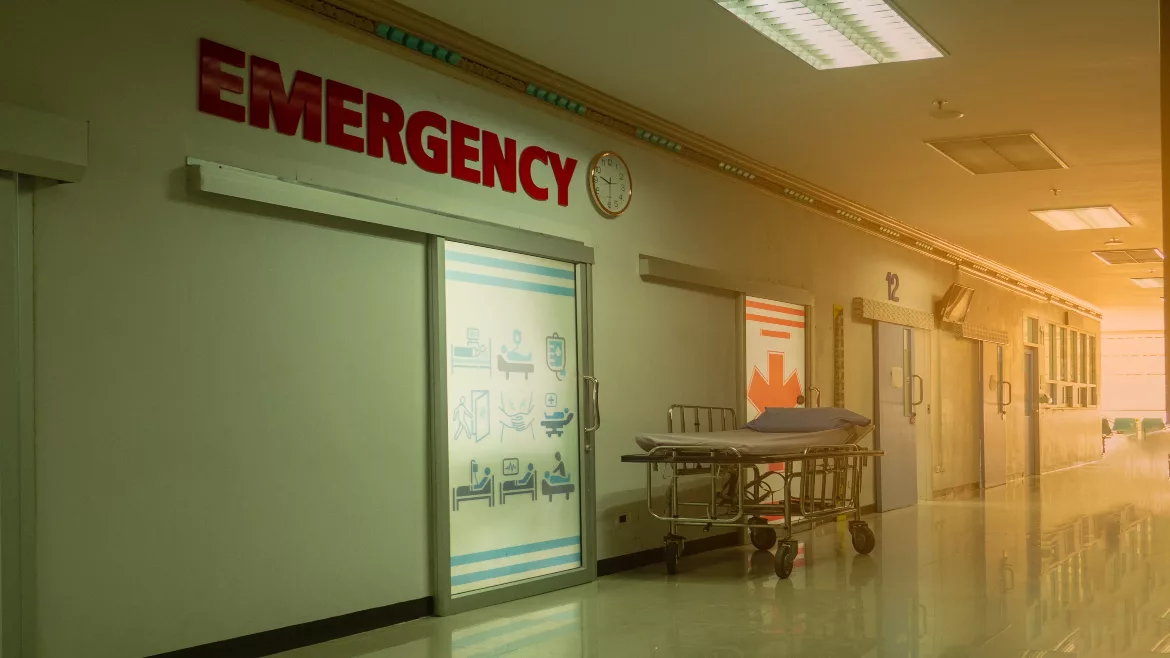
bemergency-room-freepik693764.jpg
November 24, 2021


Every organization is trying to find ways to mitigate workplace violence, but healthcare organizations have several obstacles that can make this difficult task even more challenging. The number one goal of any healthcare organization is to provide excellent patient care, but any threat of violence can make it hard to achieve this goal. Healthcare administrators need to worry about protecting their staff, their patients, and visitors, including patients’ families and outside contractors. The more audiences that need protecting, the more complex a plan can become. This often leads to organizations deploying separate solutions to address each need, but when an urgent situation takes place, this can cause unforeseen inefficiencies. That’s why many organizations are turning to a mass notification system to help.

No one can say for certain when violence will occur, which is why being prepared is critical to mitigating the damage. Many mass notification systems are becoming more sophisticated, offering critical event management capabilities that go beyond simply sending out an alert. Now healthcare organizations can leverage these tools to manage every aspect of an incident from beginning to end. This starts with identifying the violent situations that people within a healthcare facility may experience.

A physical dispute may require a different response and messaging than one involving a weapon. The protocol may change depending on the number of people involved and the area where the event is taking place. That’s why it is important for healthcare organizations to involve multiple departments when planning for potential incidents. Doctors, nurses, security teams, facility managers, and even HR can provide valuable insight that can otherwise be overlooked. The more input an organization can gather, the more comprehensive a plan they will create. This has the added benefits of getting more departments invested in successfully deploying new strategies and familiarizing more people with the tools and procedures to use and follow during an emergency.

Once an organization has identified the situations it wants to prepare for, the next step is building the messages that need to be sent out. Creating clear, concise, and consistent messaging goes a long way in getting people to follow instructions when notifications are sent out. Messages should be planned for every phase of an event, from an initial alert to an “All Clear” message to let people know an incident has been resolved and normal operations are resuming. Understand that messages should communicate exactly what is happening and what actions the message's recipient is expected to take.

Administrators also need to identify which groups receive which messages. Hospitals and clinics are delicate environments. Knowing where a violent threat is taking place, who needs to respond to assist, and who needs to get out of a dangerous area can all help mitigate the impact of an event. The messages that get sent to security team members may not be the same messages that get sent to other staff members. With a mass notification system, distinct messages can be sent to different designated groups at the same time. This helps better direct the response, minimizes confusion, and can help ensure help is on the way.

The other important component healthcare organizations need to consider is how those messages will be delivered. Mass notification systems offer a wide range of options for audio, text, and visual messages that can be delivered to overhead paging systems, desk phones, desktop computers, digital signage, and mobile devices. This can greatly extend the reach of messages during particularly dangerous events where everyone needs to be alerted. However, mass notification systems can also offer the ability to create zones containing messages to particular floors, wings and even rooms of a building. This can help minimize disruptions in sensitive areas, like visitor waiting rooms, while still alerting people who are in the most danger. Connecting to IoT devices within a facility to a mass notification system can also help mitigate violence by automating steps like locking doors or bringing up security camera feeds with messages.

After initial alerts are sent out, follow-up messages with relevant updates can be sent until the event has ended. Once it has been communicated that normal operations have resumed, mass notification systems can be used to assess how successfully an emergency response plan was executed and provide insight for improvements. This can include seeing whether or not all messages reached their intended audiences if all the steps in the plan were followed, and if people actually responded to requests for help.

Mass notification can also help prevent violent incidents before they even occur. With the ability to schedule messages that are repeated throughout the day, healthcare organizations can alert people within their facilities to keep an eye out and report suspicious activity. Messages can also include information about emergency plans, such as where to find the nearest exit.

So how does this all help mitigate violence? By sending the right message to the right people via a method where they are likely to hear or read a message the moment it is delivered, healthcare organizations can speed up response times, alert people to avoid particular areas, and reduce the overall impact on operations by resolving incidents more quickly. The longer an incident goes on, the more risk for everyone involved. Mass notification can help preplan every step of an incident, so no one needs to be thinking of what to say or do at the moment. It can automate processes and procedures, alleviating and burden of responsibility. This reduces the chance that mistakes are made or that someone misses a message that impacts their safety.

KEYWORDS: critical events health care mass notification risk management workplace violence

Share This Story

Looking for a reprint of this article?
From high-res PDFs to custom plaques, order your copy today!


Paul s singlewire

Paul Shain is President and Chief Executive Officer of Singlewire Software. He has led the strategic direction of the company since its founding in 2009, helping develop mass notification and critical event management solutions that help organization enhance safety and communication. 

Recommended Content

JOIN TODAY
To unlock your recommendations.

Already have an account? Sign In

  • Iintegration and use of emerging tools

    Future Proof Your Security Career with AI Skills

    AI’s evolution demands security leaders master...
    Security Education & Training
    By: Jerry J. Brennan and Joanne R. Pollock
  • The 2025 Security Benchmark Report

    The 2025 Security Benchmark Report

    The 2025 Security Benchmark Report surveys enterprise...
    The Security Benchmark Report
    By: Rachelle Blair-Frasier
  • The Most Influential People in Security 2025

    Security’s Most Influential People in Security 2025

    Security Magazine’s 2025 Most Influential People in...
    Most Influential People in Security
    By: Security Staff
Manage My Account
  • Security Newsletter
  • eMagazine Subscriptions
  • Manage My Preferences
  • Online Registration
  • Mobile App
  • Subscription Customer Service

More Videos

Sponsored Content

Sponsored Content is a special paid section where industry companies provide high quality, objective, non-commercial content around topics of interest to the Security audience. All Sponsored Content is supplied by the advertising company and any opinions expressed in this article are those of the author and not necessarily reflect the views of Security or its parent company, BNP Media. Interested in participating in our Sponsored Content section? Contact your local rep!

close
  • critical event management
    Sponsored byEverbridge

    Why a Unified View Across IT, Continuity, and Security Makes or Breaks Crisis Response

  • Charlotte Star Room
    Sponsored byAMAROK

    In an Uncertain Economy, Security Is a Necessity - Not an Afterthought

  • Sureview screen
    Sponsored bySureView Systems

    The Evolution of Automation in the Command Center

Popular Stories

Cybersecurity trends of 2025

3 Top Cybersecurity Trends from 2025

Red laptop

Security Leaders Discuss SitusAMC Cyberattack

Green code

Logitech Confirms Data Breach, Security Leaders Respond

Neon human and android hands

65% of the Forbes AI 50 List Leaked Sensitive Information

The Louvre

After the Theft: Why Camera Upgrades Should Begin With a Risk Assessment

Top Cybersecurity Leaders

Events

September 18, 2025

Security Under Fire: Insights on Active Shooter Preparedness and Recovery

ON DEMAND: In today’s complex threat environment, active shooter incidents demand swift, coordinated and well-informed responses.

December 11, 2025

Responding to Evolving Threats in Retail Environments

Retail security professionals are facing an increasingly complex array of security challenges — everything from organized retail crime to evolving cyber-physical threats and public safety concerns.

View All Submit An Event

Products

Security Culture: A How-to Guide for Improving Security Culture and Dealing with People Risk in Your Organisation

Security Culture: A How-to Guide for Improving Security Culture and Dealing with People Risk in Your Organisation

See More Products

Related Articles

  • Complying with California's Workplace Violence Prevention in Healthcare Rule

    Complying with California's Workplace Violence Prevention in Healthcare Rule

    See More
  • Mitigating Workplace Violence Risks with Awareness, Deescalation

    See More
  • Nurse in spotlight in dark hallway

    Reining in workplace violence in healthcare: What strategies work?

    See More

Related Products

See More Products
  • security culture.webp

    Security Culture: A How-to Guide for Improving Security Culture and Dealing with People Risk in Your Organisation

  • Physical Layer Security in Wireless Communications

See More Products

Events

View AllSubmit An Event
  • March 26, 2025

    Boost Emergency Preparedness: Mastering Mass Notification in Healthcare

    ON DEMAND: In today’s rapidly changing healthcare environment, reliable and timely communication during emergencies is crucial. A well-implemented Mass Notification System (MNS) can differentiate between chaos and control during critical natural disasters, medical emergencies, or security threats.
  • February 20, 2025

    Ideological Tensions in the Workplace: Understanding and Mitigating Risks of Violence

    ON DEMAND: Organizations face evolving threats, including workplace violence stemming from ideological tensions, political polarization, economic disparities, and other factors.
View AllSubmit An Event
×

Sign-up to receive top management & result-driven techniques in the industry.

Join over 20,000+ industry leaders who receive our premium content.

SIGN UP TODAY!
  • RESOURCES
    • Advertise
    • Contact Us
    • Store
    • Want More
  • SIGN UP TODAY
    • Create Account
    • eMagazine
    • Newsletter
    • Customer Service
    • Manage Preferences
  • SERVICES
    • Marketing Services
    • Reprints
    • Market Research
    • List Rental
    • Survey/Respondent Access
  • STAY CONNECTED
    • LinkedIn
    • Facebook
    • YouTube
    • X (Twitter)
  • PRIVACY
    • PRIVACY POLICY
    • TERMS & CONDITIONS
    • DO NOT SELL MY PERSONAL INFORMATION
    • PRIVACY REQUEST
    • ACCESSIBILITY

Copyright ©2025. All Rights Reserved BNP Media.

Design, CMS, Hosting & Web Development :: ePublishing