Security Magazine logo
search
cart
facebook twitter linkedin youtube
  • Sign In
  • Create Account
  • Sign Out
  • My Account
Security Magazine logo
  • NEWS
    • Security Newswire
    • Technologies & Solutions
  • MANAGEMENT
    • Leadership Management
    • Enterprise Services
    • Security Education & Training
    • Logical Security
    • Security & Business Resilience
    • Profiles in Excellence
  • PHYSICAL
    • Access Management
    • Fire & Life Safety
    • Identity Management
    • Physical Security
    • Video Surveillance
    • Case Studies (Physical)
  • CYBER
    • Cybersecurity News
    • More
  • BLOG
  • COLUMNS
    • Career Intelligence
    • Cyber Tactics
    • Cybersecurity Education & Training
    • Leadership & Management
    • Security Talk
  • EXCLUSIVES
    • Annual Guarding Report
    • Most Influential People in Security
    • The Security Benchmark Report
    • Top Guard and Security Officer Companies
    • Top Cybersecurity Leaders
    • Women in Security
  • SECTORS
    • Arenas / Stadiums / Leagues / Entertainment
    • Banking/Finance/Insurance
    • Construction, Real Estate, Property Management
    • Education: K-12
    • Education: University
    • Government: Federal, State and Local
    • Hospitality & Casinos
    • Hospitals & Medical Centers
    • Infrastructure:Electric,Gas & Water
    • Ports: Sea, Land, & Air
    • Retail/Restaurants/Convenience
    • Transportation/Logistics/Supply Chain/Distribution/ Warehousing
  • EVENTS
    • Industry Events
    • Webinars
    • Solutions by Sector
    • Security 500 Conference
  • MEDIA
    • Interactive Spotlight
    • Photo Galleries
    • Podcasts
    • Polls
    • Videos
      • Cybersecurity & Geopolitical Discussion
      • Ask Me Anything (AMA) Series
  • MORE
    • Call for Entries
    • Classifieds & Job Listings
    • Newsletter
    • Sponsor Insights
    • Store
    • White Papers
  • EMAG
    • eMagazine
    • This Month's Content
    • Advertise
  • SIGN UP!
ManagementSecurity NewswireSecurity Enterprise ServicesConstruction, Real Estate, Property ManagementInfrastructure:Electric,Gas & WaterPorts: Sea, Land, & AirTransportation/Logistics/Supply Chain/Distribution/ Warehousing

Study shows 40% of lone rotational workers experience suicidal thoughts
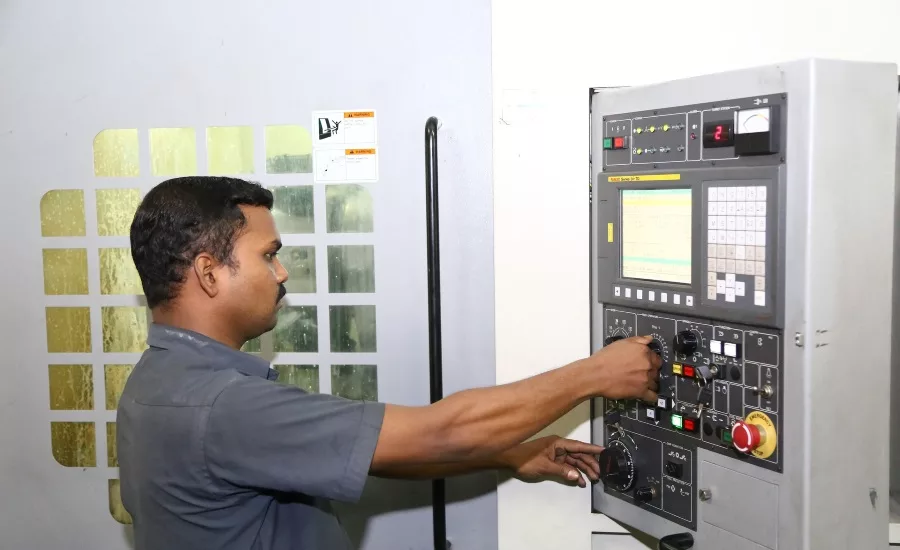
Duty of care for lone rotational remote workers increases amid COVID-19 and a high-level of mental health issues among this population
April 13, 2021

Whether on or offshore, the work and lifestyle of a remote rotational worker is unique. While lucrative for some, it has long been associated with a high impact on mental health and wellbeing. A groundbreaking global report from the International SOS Foundation and Affinity Health at Work, ‘Mental Health and the Remote Rotational Workforce’, provides insight into the psychological impacts of this unique mode of working. The new study highlights evidence of the high level of suicidal thoughts, clinical depression, impacts on physical health (such as diet) and the impact of the COVID-19 pandemic on this workforce.

Dr Rodrigo Rodriguez-Fernandez, Medical Director Wellness and NCD’s, International SOS, commented, “There is an urgent need for increased focus, understanding and strategies to mitigate mental ill health and promote better metal health of the remote rotational workforce. This is highlighted in our survey, which uncovers significantly high levels of critical mental ill health issues, including suicidal thoughts and depression. The COVID-19 environment has also added increased stress on this already pressured working arrangement.”

Key study findings:

  • 40% of all respondents experienced suicidal thoughts on rotation some or all the time. 1 in 5 are feeling suicidal all or most of the time.
  • 29% met the benchmark for clinical depression whilst on-rotation.
  • 52% reported a decline in mood, and their mental health suffered whilst on rotation.
  • 62% had worse mental health than would be the norm in a population. While off rotation, this remains at a high of 31% experiencing lower mental health than the general population.

The study also exposed that almost a quarter (23%) of the remote rotational workers surveyed experienced emotional exhaustion on a weekly basis. 46% experienced higher stress levels while on rotation and over half (57%) were not engaged in their work. 23% reported that they received no psychological support from their employers.

Dr Rachel Lewis commented, “We would expect burn out to be between 2 to 13% in the general population, so the almost quarter that we see from the survey is particularly high. Burn out can have a serious impact both personally and professionally, on the ability of an individual to carry out their role. Remote rotational work may come with the perks of higher pay, but with its propensity to be isolating at the best of times. On and offshore, working pressures and varying shift patterns also add their weight. And this is not to mention the impact of the current pandemic, which has seen may remote workers unexpectedly away from family and friend networks for longer than anticipated.”

Impacts of the COVID-19 pandemic

  • 65% experienced increased job demands.
  • 56% increased working hours stress, anxiety.
  • 49% concerned for personal safety (before pandemic?).
  • 1/3 became increasingly lonely.
  • 23% had more negative physical symptoms (such as headaches and stomach issues).
  • Over a third exercised less (35%).
  • 38% experienced worse-quality sleep (38%).
  • Over a quarter (28%) were less able to eat a nutritious diet whilst working.

Dr Rodriguez-Fernandez continues, “Mental and physical health are intrinsically linked. Organizations and individuals with a Duty of Care to their remote rotational workers should have visibility and a plan of support for their workforce encompassing both.”

On the flipside, the majority of respondents felt that their health and safety was prioritized. They report a strong sense of community and support among co-workers and from managers. Many also felt that they could share their mental health concerns with colleagues.

The report, along with practical recommendations on mitigation measures for companies is available here.

KEYWORDS: duty of care lone workers mental health remote location security remote workforce

Share This Story

Looking for a reprint of this article?
From high-res PDFs to custom plaques, order your copy today!

Recommended Content

JOIN TODAY
To unlock your recommendations.

Already have an account? Sign In

  • Cyber tech background

    Security’s Top Cybersecurity Leaders 2026

    Security magazine’s Top Cybersecurity Leaders 2026 award...
    Cybersecurity
  • Iintegration and use of emerging tools

    Future Proof Your Security Career with AI Skills

    AI’s evolution demands security leaders master...
    Columns
    By: Jerry J. Brennan and Joanne R. Pollock
  • The 2025 Security Benchmark Report

    The 2025 Security Benchmark Report

    The 2025 Security Benchmark Report surveys enterprise...
    The Security Benchmark Report
    By: Rachelle Blair-Frasier
Manage My Account
  • Security Newsletter
  • eMagazine Subscriptions
  • Manage My Preferences
  • Online Registration
  • Mobile App
  • Subscription Customer Service

More Videos

Popular Stories

Person in red hoodie

When Metal Theft Becomes a Life Safety Crisis

Stacked books

Safe Learning 101 Program Supports Schools in Strengthening Campus Security

American flag

ICE Acting Director Todd Lyons to Resign

Diverse Team Collaborating on Business Analysis

12 Tips for Building an Effective Security Budget

Nurse

Why De-Escalation Must Be Part of a Layered Safety Strategy in Healthcare

SEC 2026 Benchmark Banner

Events

May 21, 2026

From Referral to Response: Managing Domestic Violence Threats in the Workplace

Domestic violence remains a complex driver of workplace violence, creating high-risk scenarios that require coordination across departments without clear ownership. Learn how threat management teams can manage domestic violence referrals from the start.

June 3, 2026

The Role of AI and Video in Measuring Health, Safety, and Security Standards

OSHA fines grab headlines, but most compliance issues start with everyday operational gaps: missed protocols, unsecured areas, or slow response. Learn how emerging technologies & AI can be leveraged towards a more proactive model of compliance.

View All Submit An Event

Products

Security Culture: A How-to Guide for Improving Security Culture and Dealing with People Risk in Your Organisation

Security Culture: A How-to Guide for Improving Security Culture and Dealing with People Risk in Your Organisation

See More Products
Solutions by Sector webinar promo


The Role of AI and Video - Free Webinar - June 3, 2026

Related Articles

  • Children's Hospitals Admissions for Suicidal Thoughts or Actions Double

    See More
  • SEC0519-Lone-Feat-slide1_900px

    Ensuring Physical Security of Lone Workers

    See More
  • User experience at top of mind for security professionals

    New survey shows security versus the user experience remain at top of mind for enterprises

    See More

Related Products

See More Products
  • 9780367259044.jpg

    Understanding Homeland Security: Foundations of Security Policy

  • 9780367221942.jpg

    From Visual Surveillance to Internet of Things: Technology and Applications

  • Security of Information and Communication Networks

See More Products
×

Sign-up to receive top management & result-driven techniques in the industry.

Join over 20,000+ industry leaders who receive our premium content.

SIGN UP TODAY!
  • RESOURCES
    • Advertise
    • Contact Us
    • Store
    • Want More
  • SIGN UP TODAY
    • Create Account
    • eMagazine
    • Newsletter
    • Customer Service
    • Manage Preferences
  • SERVICES
    • Marketing Services
    • Reprints
    • Market Research
    • List Rental
    • Survey/Respondent Access
  • STAY CONNECTED
    • LinkedIn
    • Facebook
    • YouTube
    • X (Twitter)
  • PRIVACY
    • PRIVACY POLICY
    • TERMS & CONDITIONS
    • DO NOT SELL MY PERSONAL INFORMATION
    • PRIVACY REQUEST
    • ACCESSIBILITY

Copyright ©2026. All Rights Reserved BNP Media, Inc. and BNP Media II, LLC.

Design, CMS, Hosting & Web Development :: ePublishing