Enterprise Services
World Cup Insights
Security executive James Weston discusses intelligence-led security and lessons learned at FIFA World Cup.
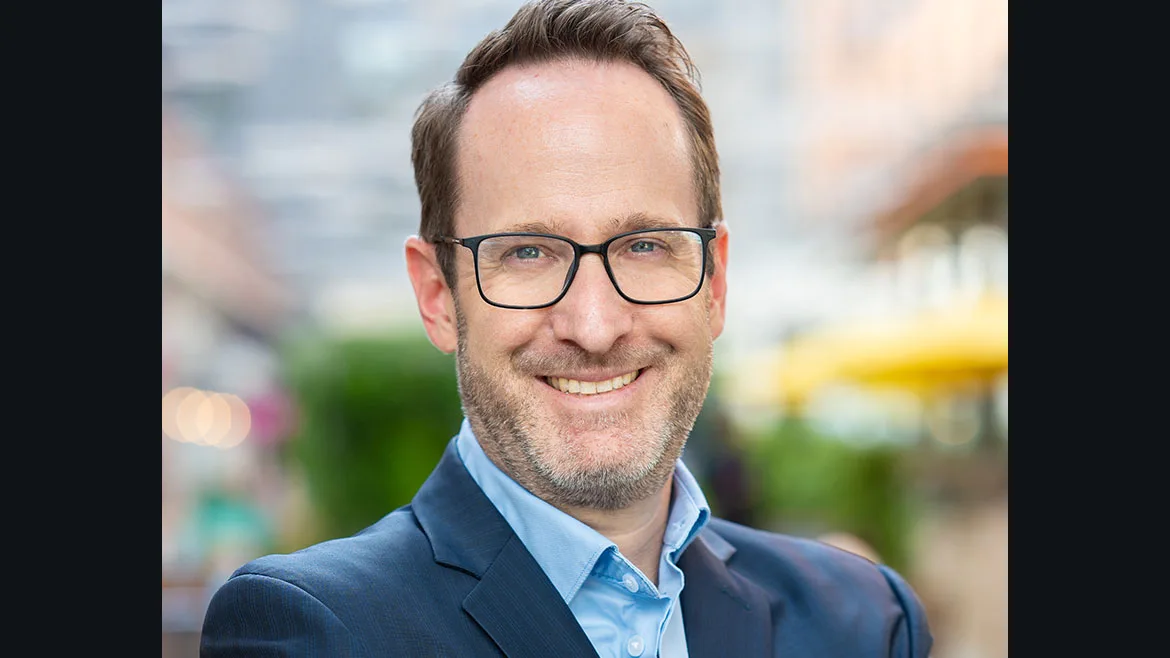
By the time a threat is visible, it is often too late to get in front of it. Intelligence-led security has been becoming the operating standard for many security leaders across all industries – from manufacturing, retail, or the event space. Throughout his career, James Weston, owner of Weston Assurance Core, LLC, has utilized intelligence as part of his security strategy whether at the the U.S. State Department, as Director of Global Security at McDonald’s, and most recently as Team Base Camp Security Specialist at FIFA World Cup 2026.
He says that when a security program is intelligence-led every subfunction is monitoring threats, tracking an organization’s assets and informing stakeholders and customers along a defined set of parameters.
“This must start with understanding the questions your leadership expects you to answer and having the sources and resources to repeat that delivery every time you’re asked,” he says. “I’m not a believer in a one-size-fits-all approach to intelligence, probably because I worked with such a variety of companies and organizations when I was at OSAC in the State Department. If I was building a security program from the ground up and wanted it to be intelligence-led, I would start with asking leadership from my stakeholders what decisions they are making in the next 12 months and talk through what assumptions they have to really understand information gaps.”
From that, Weston says leaders can draft Priority Intelligence Requirements, Essential Elements of Information and validate these with the stakeholders and their team.
“A good litmus test to know that you’re on the right track is the feedback you receive on reports and products you distribute (hint: there should be feedback), and your teams are not getting bogged down by the flavor of the day geopolitical situation, rather they remain focused on what the business really needs to know,” he said.
Drawing from his recent experience as Team Base Camp Security Specialist at FIFA World Cup 2026, Weston shared some lessons learned that can be brought to corporate security programs.
“Elite athletes focus at elite levels,” he said. “When I worked with the Croatian delegation their focus off the pitch matched the elite-level of on-the-pitch performance they had displayed over the last two tournaments.”
“For every superstar player, there is someone off the pitch you don’t see who is contributing to that success.”
One example of this Weston recalls is that summer in Alexandria, VA is hot and humid and a likely chance of an evening thunderstorm. Nevertheless, the team never deviated from their routine and held their training sessions every day at 6 p.m.
“They made a direct correlation between training when and how they wanted, eating what and when they wanted, sleeping and relaxing when they wanted and if all of that happened, they would perform at their best on the pitch and win matches,” Weston said. “It makes you wonder, what can you eliminate from your day-to-day that detracts from your goal? In work settings we call this prioritization and may have stop/start discussions between leaders and team members but a high level or ability of focus has to be part of your function’s or company’s culture. As the security lead, I minimized risk for them, enabled their safe transport to and from lodging and training sites, prevented unauthorized access and disruptions from members of the public so that the outcome was the team maintained their focus. The players had an equally talented entourage of trainers, coaches, publicists, even a private chef to keep everything just the way they wanted. That’s a good reminder as well: for every superstar player, there is someone off the pitch you don’t see who is contributing to that success.”
Looking for a reprint of this article?
From high-res PDFs to custom plaques, order your copy today!