Special Report
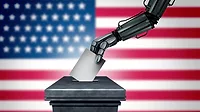
Disinformation, Defense and Democracy: A Look as This Year’s Election Security
Discussing the cyber and physical threats against this year’s election.
Election security is about more than protecting votes — it’s about defending integrity. With social unrest becoming a more prominent issue, securing the electoral process is all the more essential to ensuring Americans’ voices are heard, and that they trust they have been heard.
To learn more, I spoke to International SOS’s Chief Security Analyst Mike Rogers, a security intelligence practitioner with expertise in forecasting, threat assessment and contingency planning in the Americas.
Security: What are the greatest cyber threats to this year’s U.S. elections?
Rogers: By and large, U.S. elections are viewed as safe. Agencies like Cybersecurity and Infrastructure Security Agency (CISA) as well as a range of state and local level institutions provide comprehensive resources and broader support to election officials and administrators to safeguard information storage, networks, etc.
Nonetheless, a range of threat actors, including those affiliated with foreign states, as well as domestic criminal and/or extremist groups will likely try to exploit vulnerabilities in the electoral infrastructure to achieve economic or political objectives. These threat actors are likely to target voter information registration, state and local websites and other systems.
AI-driven disinformation, phishing attacks and domain-based deception are among some of the most salient risks across this electoral cycle. Thousands of credentials associated with major political fundraising platforms were exposed in security incidents. Malicious actors can also create domains that are designed to mimic reputable news organizations, making it harder for voters to differentiate credible information from fabricated content.
Security: What are the greatest physical threats to this year’s U.S. elections?
Rogers: Electoral periods in the U.S. generally raise the threat environment, lifting the likelihood that individuals and/or groups engage in acts of politically motivated violence. The wall-to-wall coverage of political campaigns and broader political wedge issues on traditional news media as well as social media, coupled with the existential overtones that accompany a consequential election cycle contribute to an unhealthy information environment. These circumstances are more likely to induce individuals with extremist ideologies or who are otherwise experiencing crisis to engage in erratic behaviors including acts of violence.
During the election period, sensitive sites and events including political rallies, protests, election infrastructure, offices affiliated with the media or businesses otherwise viewed to be associated with politicians, campaigns or broader political issues are likely venues for the aforementioned individuals or groups to target. Political figures, election workers and other officials face the most acute threats. In recent elections, poll workers have been harassed and intimidated. Polling stations meanwhile are likely to be the target of bomb threats and other hoaxes — particularly in tightly contested districts and/or states.
The nexus between the information environment and the physical security threat landscape is critical. An emotionally charged, politically fraught and low-trust information environment increases the likelihood that a small number of aggrieved or radicalized individuals are motivated to take real-world action against political candidates, supporters, party offices, campaign events or businesses otherwise associated with the process.
Security: What role does disinformation play in impacting election security?
Rogers: Disinformation and the broader information environment play a pivotal role in the balance of security across electoral periods in the U.S. The formation and circulation of provocative false narratives, particularly those questioning the integrity of the election and the extent to which they are quickly debunked or further spread by figures in the media and government will influence the likelihood of political violence. The production and dissemination of AI-generated deepfakes, the use of deceptive domains and the spread of otherwise manipulated content increase political polarization and reduce voter trust.
“The nexus between the information environment and the physical security threat landscape is critical. An emotionally charged, politically fraught and low-trust information environment increases the likelihood that a small number of aggrieved or radicalized individuals are motivated to take real-world action against political candidates, supporters, party offices, campaign events or businesses otherwise associated with the process.”
Threat actors may spread false information about the integrity and/or safety of particular voting methods (in-person, absentee, mail-in) as well as particular voting locations. Falsified information surrounding voter intimidation or harassment could have a similar chilling effect on voter turnout as the genuine physical threats themselves.
Security: How can the aforementioned threats be mitigated?
Rogers: We are advising organizations to manage these risks proactively. This includes mapping organization wide exposure against sensitive sites and venues, including polling locations, government buildings, protest flashpoints and other venues affiliated with the electoral process. Businesses should also establish triggers for adjusting their overarching security posture, as well as test emergency communication channels. Security managers should use this time to run tabletop exercises and drills to assess their crisis management capabilities, zeroing in on enterprise-wide communications and folding lessons learned into their updated practices.
Businesses should also prepare for the possibility that heightened political tensions during this period affect the workplace itself. The large majority of employees report discussing politics in the workplace, while nearly 20% have a difficult time working with people of differing political views. Interpersonal conflicts in the workplace can escalate during this period. Managers should ensure communications surrounding the company’s policies and resources are provided proactively, while response and de-escalation procedures are circulated to relevant teams.
Looking for a reprint of this article?
From high-res PDFs to custom plaques, order your copy today!