Security Magazine logo
search
cart
facebook twitter linkedin youtube
  • Sign In
  • Create Account
  • Sign Out
  • My Account
Security Magazine logo
  • NEWS
    • Security Newswire
    • Technologies & Solutions
  • MANAGEMENT
    • Leadership Management
    • Enterprise Services
    • Security Education & Training
    • Logical Security
    • Security & Business Resilience
    • Profiles in Excellence
  • PHYSICAL
    • Access Management
    • Fire & Life Safety
    • Identity Management
    • Physical Security
    • Video Surveillance
    • Case Studies (Physical)
  • CYBER
    • Cybersecurity News
    • More
  • BLOG
  • COLUMNS
    • Career Intelligence
    • Cyber Tactics
    • Cybersecurity Education & Training
    • Leadership & Management
    • Security Talk
  • EXCLUSIVES
    • Annual Guarding Report
    • Most Influential People in Security
    • The Security Benchmark Report
    • Top Guard and Security Officer Companies
    • Top Cybersecurity Leaders
    • Women in Security
  • SECTORS
    • Arenas / Stadiums / Leagues / Entertainment
    • Banking/Finance/Insurance
    • Construction, Real Estate, Property Management
    • Education: K-12
    • Education: University
    • Government: Federal, State and Local
    • Hospitality & Casinos
    • Hospitals & Medical Centers
    • Infrastructure:Electric,Gas & Water
    • Ports: Sea, Land, & Air
    • Retail/Restaurants/Convenience
    • Transportation/Logistics/Supply Chain/Distribution/ Warehousing
  • EVENTS
    • Industry Events
    • Webinars
    • Solutions by Sector
    • Security 500 Conference
  • MEDIA
    • Interactive Spotlight
    • Photo Galleries
    • Podcasts
    • Polls
    • Videos
      • Cybersecurity & Geopolitical Discussion
      • Ask Me Anything (AMA) Series
  • MORE
    • Call for Entries
    • Classifieds & Job Listings
    • Newsletter
    • Sponsor Insights
    • Store
    • White Papers
  • EMAG
    • eMagazine
    • This Month's Content
    • Advertise
  • SIGN UP!
CybersecuritySecurity Enterprise ServicesSecurity Leadership and ManagementSecurity & Business Resilience

Why Insider Threats Deserve a Spot at the Top of Your Risk List

By Jeremy Ventura
Two people working together
charlesdeluvio via Unsplash
June 29, 2026

I was strategizing with one of the top CISOs in the nation, who spent his last 20 years with a “3 letter agency”, and the number one topic that he was concerned about caught me by surprise.

He didn’t say ransomware.

He didn’t say AI-powered attacks or nation-state actors.

He said insider threats.

In most organizations, insider threats land somewhere between eighth and tenth on the priority list. They’re on the list but they don’t lead it. So when someone with his background put it at number one, I wanted to understand why.

Because here’s the theme I keep seeing across client conversations: the threat category most security teams are under-resourcing is already sitting inside their perimeter, logged in with valid credentials, doing exactly what the technology was designed to let it do.

It’s a Bigger Category Than You Think

Most people picture insider threats one way — the disgruntled employee, the corporate spy, the contractor who walked out with a thumb drive. Those exist, and they matter, but they’re not the majority of what this category actually contains.

The real picture is more complicated. A developer who got wind that a layoff was coming and quietly modified a line of code before walking out the door. A finance employee who accidentally attached the wrong spreadsheet and forwarded it to a vendor without realizing what was in it. A salesperson who copied their entire contact list to a personal folder because, in their mind, those relationships belonged to them.

Sabotage. Negligence. Convenience.

Three completely different motivations, three completely different risk profiles — all sitting inside the same category. Most insider threat programs are built to catch one of those three while the other two go unchecked.

Before the Data Moves, the Human Does

I came across a clip recently from a podcast featuring the former head of security at a space exploration company. He had spent time in the military, the private sector, and in the defense contractor world. The way he described building their insider threat detection program stuck with me.

The company he referenced is a government contractor handling classified projects. The false-positive problem is enormous — if your detections fire too broadly, you chase ghosts while the real signal disappears in the noise. His answer wasn’t to add another technical detection layer. It was to look earlier, before any data actually moved, at the behavioral patterns that humans telegraph when something in their situation is changing.

For example, an internal employee starts buying unusual quantities of merchandise from the company store. That same employee has started routing more activity through personal email on a corporate device. Neither signal alone closes a case, but A plus B equals C and by the time data starts moving, the window to act has often already closed.

That’s what most organizations are missing. Humans telegraph their intentions well before any technology captures it. The detection window exists but most security teams just aren’t looking for it.

The Part Nobody Wants to Say Out Loud

How many of us travel constantly? Maybe you’re hitting the road and right before a VPN becomes a wall between you and a document you need, you email it to yourself.

Or you forwarded something through a personal account because the PDF viewer is better, saved something to a personal device because the corporate laptop was at four percent, took a screenshot because logging back into SharePoint at the gate wasn’t happening.

None of that is malicious. All of it creates exposure. Most of it never gets flagged, because the tools most organizations are running were built for the deliberate insider — the person who knows exactly what they’re doing and why. The employee cutting friction out of their day, who genuinely doesn’t think they’re doing anything wrong, is a different profile entirely, and it accounts for the majority of insider threat incidents that don’t make the news.

The Insider Within the Insider

Sometimes the threat is embedded in the people you brought in specifically to protect you.

I saw a story in the CISO Series newsletter recently that I haven’t been able to get out of my head. Two external security professionals — hired to negotiate a ransomware settlement on behalf of a victim organization — were facing a $50 million demand. They brought it down to $25 million in their negotiation with the ransomware group. They told the client the settlement was $20 million. They pocketed the $5 million difference, and as part of the arrangement with the ransomware group, the attackers retained a backdoor into the victim’s environment.

They just got arrested.

The threat wasn’t inside the company. It was inside the people the company trusted to fight it. That’s the outer edge of this category and it’s worth sitting with this reality. Insider threat isn’t a category solely for employment status. It’s a category that spans access and what happens when someone who has it decides to use it for nefarious reasons.

After uncovering all of the risks associated with insider threat you might expect the recommended solution to be a six-figure detection platform.

It isn’t. The most practical first step for most organizations is awareness.

Pull the departments most likely to encounter these situations — finance, HR, engineering — and have a plain conversation about what insider threat actually looks like in its everyday form. Identify the signals, what to do when something feels off, and who to call. See something, say something. That phrase didn’t originate in cybersecurity, but the concept applies here more than most people realize.

You are not going to build the satellite detection program by next quarter. But you can start building a culture of awareness where the person who notices something unusual knows they’re supposed to call it out and feels safe doing so.

KEYWORDS: insider risk insider threats organizational resilience organizational risks

Share This Story

Looking for a reprint of this article?
From high-res PDFs to custom plaques, order your copy today!


Jeremy ventura headshot

Jeremy Ventura is Field CISO at global systems integrator Myriad360, where he helps organizations navigate complex security challenges across cloud, API security, and emerging technologies. Image courtesy of Ventura

Recommended Content

JOIN TODAY
To unlock your recommendations.

Already have an account? Sign In

  • Cyber tech background

    Security’s Top Cybersecurity Leaders 2026

    Security magazine’s Top Cybersecurity Leaders 2026 award...
    Security Leadership and Management
  • Iintegration and use of emerging tools

    Future Proof Your Security Career with AI Skills

    AI’s evolution demands security leaders master...
    Columns
    By: Jerry J. Brennan and Joanne R. Pollock
  • The 2025 Security Benchmark Report

    The 2025 Security Benchmark Report

    The 2025 Security Benchmark Report surveys enterprise...
    The Security Benchmark Report
    By: Rachelle Blair-Frasier
Manage My Account
  • Security Newsletter
  • eMagazine Subscriptions
  • Manage My Preferences
  • Online Registration
  • Mobile App
  • Subscription Customer Service

More Videos

Popular Stories

Trophy and soccer ball

Security Experts Discuss Threats to FIFA World Cup 2026

Soccer stadium

How the Current Iran-US Conflict May Impact World Cup Security

Neighborhood

Residential AI Data Centers: Security, Privacy, and Governance Concerns

Hand reaching up out of the ocean

What I Learned About Burnout the Hard Way (and How to Actually Fix it)

Colorful laptop

Organizations Think They Know Who’s Visiting Their Sites. They Don’t.

SEC 2026 Benchmark Banner

Events

July 8, 2026

The 2026 Security Maturity Benchmark Report: Insights From Senior Security Leaders

LIVE: July 8, 2026 at 2 pm EDT In this webinar, speakers will share key insights from the report, including why today’s threat environment demands greater maturity and how to evaluate your organization’s current security posture.

View All Submit An Event

Products

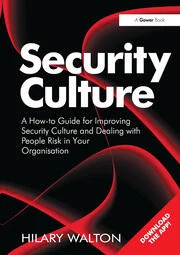
Security Culture: A How-to Guide for Improving Security Culture and Dealing with People Risk in Your Organisation

Security Culture: A How-to Guide for Improving Security Culture and Dealing with People Risk in Your Organisation

See More Products


Alertmedia sponsored webinar

Related Articles

  • insider-threats-freepik1170x658v.jpg

    Why insider threats pose unique risks to national security

    See More
  • executive stands in front of skyscraper

    Embracing a company culture of cybersecurity starts at the top

    See More
  • Security professionals

    Building a cohesive security program starts at the top

    See More

Related Products

See More Products
  • security culture.webp

    Security Culture: A How-to Guide for Improving Security Culture and Dealing with People Risk in Your Organisation

  • physical security.webp

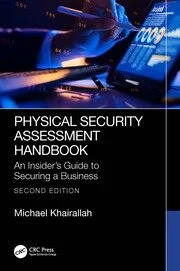
    Physical Security Assessment Handbook An Insider’s Guide to Securing a Business

  • 1119490936.jpg

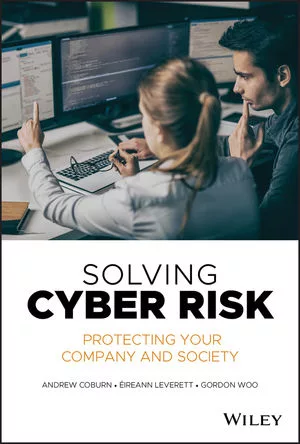
    Solving Cyber Risk: Protecting Your Company and Society

See More Products
×

Sign-up to receive top management & result-driven techniques in the industry.

Join over 20,000+ industry leaders who receive our premium content.

SIGN UP TODAY!
  • RESOURCES
    • Advertise
    • Contact Us
    • Store
    • Want More
  • SIGN UP TODAY
    • Create Account
    • eMagazine
    • Newsletter
    • Customer Service
    • Manage Preferences
  • SERVICES
    • Marketing Services
    • Reprints
    • Market Research
    • List Rental
    • Survey/Respondent Access
  • STAY CONNECTED
    • LinkedIn
    • Facebook
    • YouTube
    • X (Twitter)
  • PRIVACY
    • PRIVACY POLICY
    • TERMS & CONDITIONS
    • DO NOT SELL MY PERSONAL INFORMATION
    • PRIVACY REQUEST
    • ACCESSIBILITY

Copyright ©2026. All Rights Reserved BNP Media, Inc. and BNP Media II, LLC.

Design, CMS, Hosting & Web Development :: ePublishing