Enhancing Residential Building Security
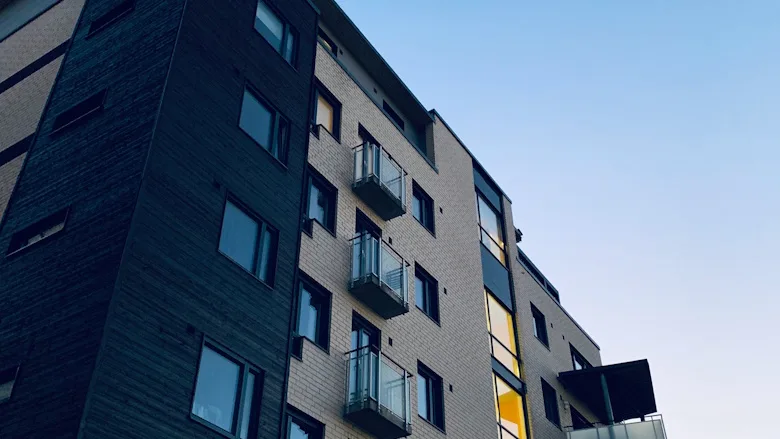
Apartment complex management companies and property owners have a duty to maintain safe premises for their tenants and their guests. Management companies and property owners can mitigate risks and enhance their property by taking simple steps to keep their apartment complex safe.
Lighting
Criminals love the dark. Dark corners, dark parking lots, dark sidewalks, dark stairwells, and dark walkways are dangerous and invite criminal activity and injuries from falls. Enhanced lighting is one of the cheapest and most effective crime deterrents and safety enhancements. With the advent of LED lighting, management companies and property owners can greatly enhance lighting. Enhanced lighting, using commercial high lumen LED lights, should be implemented in all parking areas, garages, stairwells, and walkways. Sidewalks and grassy areas outside apartment units should be well-lit at night. Walkways outside apartment units should also be well-lit. Low-level lighting should be replaced with high lumen LED lighting fixtures. Burned out lights should be repaired within 72 hours.
Fencing, Gates, Tenant Locks
Fencing and gates should be inspected every week by maintenance staff for defects or faulty operations. A log should be kept of this weekly inspection. Gates and fencing needing repair should not be delayed. Requests for third-party repairs should be logged and maintained in a file. If a lawsuit is filed against the property, Plaintiff’s attorneys will focus on how diligent the property managers were inspecting and repairing fencing, gates, lighting, and tenant requests for broken locks.
Actively Monitored Video Surveillance Cameras
CCTV camera surveillance can help mitigate criminal activity on the premises, however, to be effective, cameras should be actively monitored and recorded by a security officer. The placement of security cameras that are not monitored can be used against property management companies in lawsuits by savvy attorneys representing crime victims. Their argument to jurors will be that unmonitored cameras give tenants a false sense of security because many tenants will think that someone is monitoring these cameras. If property owners or property managers put surveillance cameras up that are not monitored they should disclose this fact to tenants. Best security practices dictate that security cameras are actively monitored by security staff who can immediately notify law enforcement of criminal activity afoot.
Background Checks on Prospective Tenants and Staff
Apartment property managers should coordinate with security staff to implement background checks on all prospective tenants which should include, at a minimum, inquiries about any issues with the prospective tenant at their last residence and a check for any convictions for misdemeanor family violence, misdemeanor drug charges, and any felony offenses for every jurisdiction that the prospective tenant has resided in.
This duty includes all employees of the property management company. Maintenance staff who possess master keys and the ability to enter any tenant’s apartment unit should be scrupulously vetted for any criminal background. A thorough employment history should also be conducted. All employees who have access to a tenant’s unit should be of high moral character with clean criminal and employment histories.
Security Patrols
If property management is aware or should have been aware of criminal activity occurring on the premises, there should be discussion about utilizing security officers on the grounds or security patrols. Many apartment complexes utilize “courtesy officers” who may be law enforcement officers who receive free rent in exchange for performing security patrols. If this bartering system is utilized, property managers should create a contract that requires a specific number of security patrols that should be conducted randomly, and logs of all patrols should be turned in to management on a weekly basis. If a complex is experiencing increased levels of criminal activity there should be serious talks with the property owner about employing “boots on the ground” security at the complex. Depending on the size and physical layout of the complex it may be prudent to employ uniformed armed roving security officers with radio communications. If your property owner refuses to pay for this security expense, you should document this in case civil litigation ensues if a tenant is assaulted due to unchecked criminal activity on the premises.
Repairs and Maintaining Clean Conditions on the Property
Often referred to as the “broken windows” theory. The broken windows theory came about in the 1980’s. Using an abandoned building as a metaphor, if one lets a building, or premises, fall into disrepair, such as broken windows, trash accumulation, burned out lights, this sends a strong signal to criminals that no one is watching or controlling the property. This signals that committing other criminal acts will go unnoticed and unpunished, which in turn increases the risk of criminal activity on the property, making it more dangerous for tenants, guests, and staff. Keeping your premises clean, ensuring dumpsters are not overflowing with trash, maintaining all lights, gates, and equipment are vital to ensure a safe premises.
