U.K. businesses have lost over £6.2 million to cyber scams over the past year - with a 31% increase in cases during the height of the pandemic (May-June), new research shows.
A webinar from the International Foundation of Protection Officers (IFPO) and Perpetuity Research will include a panel discussion along with discussing the findings of the Security Research Initiative report, tackling the questions of: why do people join the security sector more by chance than choice? What keeps them involved? What are the best and worst things about a security career?
FairWarning announced the results of its Benefits, Attributes and Habits of Mature Privacy and Data Protection Program Report, in partnership with the International Association of Privacy Professionals (IAPP).
The Los Angeles County Metropolitan Transportation Authority (Metro) is establishing a Transit Public Safety Advisory Committee (PSAC) to re-envision transit safety and explore community-based approaches to policing.
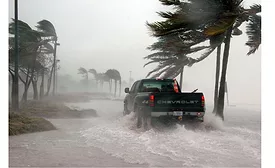
The U.S. Embassy provided $6 million for an Emergency Operations Center in Grenada, Carriacou, an island in the West Indies for Grenada’s emergency planning, training, response and recovery efforts for natural disasters such as hurricanes and earthquakes.
According to the Center for Internet Security (CIS), in September 2020, three malware returned to the Top 10: CoinMiner, CryptoWall, and Emotet. The Top 10 Malware variants composed 87% of Total Malware activity in September 2020, up from 78% in August 2020.
Authentic8 released the results of its 2020 Global Financial Crimes Survey, conducted in partnership with the Association of Certified Financial Crime Specialists (ACFCS).
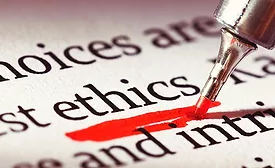
Following a global consultation, the Forum of Incident Response and Security Teams (FIRST) is launching new ethics guidelines for incident response and security teams on Global Ethics Day. ethicsfIRST provides guidance for cybersecurity professionals on how to conduct themselves professionally and ethically during incidents. Inspired by Earth Day, Global Ethics Day provides an opportunity for organizations to explore the meaning of ethics in international affairs.
 RSS
RSS