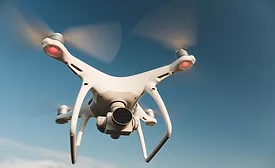
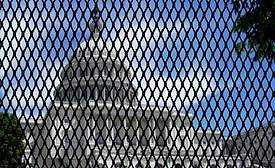
An example of how businesses are benefitting from integrated cloud-based systems would be in the retail industry. Retail end users have integrated their security camera network, heat-mapping and video analytics technology with a cloud-based system so they can remotely monitor who is in their store. The heat-mapping and analytics technology also showcases where customers are spending the most time in their store, providing retailers with insight as to where they can place specific item displays or promotional items. This information can also be used to inform on if a specific location in a store needs additional signage to encourage social distancing, or even if it needs increased camera coverage within a store. The practical applications of integrated cloud-based systems and other security technology are nearly endless.
ANSSI, the French cybersecurity agency, has reported an intrusion campaign targeting the monitoring software Centreon distributed by the French company CENTREON which resulted in the breach of several French entities. The first victim seems to have been compromised from late 2017. The campaign lasted until 2020.
Kia Motors America has allegedly suffered a ransomware attack by the DoppelPaymer gang. The gang is demanding $20 million for a decryptor and not to leak stolen data, according to news reports.
If the experiences of 2020 taught us anything, it’s that risk in the modern world cannot be understood or sufficiently mitigated with a siloed approach. Individual threats, such as regulatory risk and IT security, converge. Lacking a high-level view, it’s difficult to see the web of cause and effect – making it more difficult to anticipate, prepare, or mitigate the biggest risks. 2020 may be over, but the challenges remain in 2021. Compliance and risk management will need a shared umbrella of information and communication to tackle the complex, integrated risks of today’s landscape.
The acceleration of digitization initiatives was paramount to ensure business continuity during this global crisis. As we rebuild economic stability in 2021, technology – especially automation and security – will play a significant role in positioning enterprises to return to growth.
Listen to Ian Thornton-Trump, CISO of Cyjax, and his talking partner Tristan de Souza as they ruminate on some of the biggest issues in cybersecurity and geopolitics each and every month in this highly informative and entertaining video podcast. This month's episode looks at whether U.S. President Joe Biden has committed sufficient resources to cybersecurity; discusses ‘the Putin problem’; ponders about phishing in a pandemic; and talks about the GameStop blow-up.
Kristin Myers, Executive Vice President and Chief Information Officer (CIO) at Mount Sinai Health System has been named among the 2021 Top 25 Women Leaders in Healthcare by Modern Healthcare.
Every week there seems to be a news story about another massive data breach with millions—and sometimes billions—of records containing personal data lost or stolen. We regularly hear about cyberattacks involving brute-forcing secure logins or exploiting software flaws, but there’s a new segment of the cybercriminal economy that’s growing fast: attackers who target companies that have unintentionally left data out in the open via misconfigured databases.
Risk assessment is a key element of any discussion around security and the cloud. Security is measured in terms of how much risk there is of something happening – and nothing is without risk. So, when it comes to evaluating a move to cloud desktops, companies are really looking at how it will reduce risk.
With work from home becoming the norm, employees are likely letting their guards down, allowing people in the same household, whether family or visitors, to have access to work-related content. That is why a good cybersecurity strategy starts with people—and a zero trust approach.