A new report says that while cyber liability insurance has proven effective in covering many cyber-related losses, the majority of small breaches often fall below cyber insurance policy deductibles that trigger coverage, leaving organizations to manage and pay for all breach response.
A new Dell report found that though the C-suite recognizes the benefits of data security, organizations are still struggling to develop programs that effectively incorporate security strategies without detracting from other business initiatives.
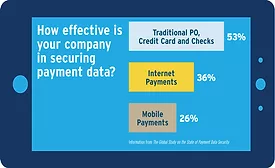
Fifty-four percent of respondents in The Global Study on the State of Payment Data Security, conducted by the Ponemon Institute on behalf of Gemalto, have had a security or data breach involving payment data an average of four times in the past two years.
Heartland Payment Systems announced it has worked with the Smart Card Alliance to launch the National Center for Advanced Payments and Identity Security, a new training facility hosted by the Alliance.
The majority of business decision makers admit that their organization will suffer an information security breach and that the cost of recovery could start from around $1 million.
The latest research on Cyber Resilience from the Ponemon Institute shows that 79 percent of security executives reported that they aren’t prepared for a cybersecurity incident.
Some of the more popular sports wearables are letting other people track you, according to a report on fitness-tracking devices from eight manufacturers, along with their companion mobile apps.