In a new alert, the Cybersecurity and Infrastructure Security Agency (CISA) announced that it is aware of several recent successful cyberattacks against various organizations’ cloud services. Threat actors are using phishing and other vectors to exploit poor cyber hygiene practices within a victims’ cloud services configuration.
Many organizations are planning to continue with remote work until at least late spring 2021 while others will continue to migrate to a distributed workforce as part of their long-term business plans. With all of this in mind, a quick look at the cybersecurity, privacy, and compliance Magic 8 Ball indicates that “all signs point to yes” for continued attacks and digital transformation.
To help businesses combat the new cybersecurity threats posed by an increase in remote work amid the COVID-19 pandemic, this firm offers cybersecurity awareness training for free.
Nearly two-thirds (64%) of business decisionmakers are anticipating COVID-themed phishing attacks targeting their company to increase in 2021, according to new research.
A recent Outbound Email Security Report revealed that stressed, tired employees are behind four in 10 of the most severe data breach incidents. As stress levels rise, rushed employees are more likely to make simple mistakes such as sending an email to the wrong person, or attaching the wrong file.
The Republican Party of Wisconsin recently confirmed that fraudsters used phishing emails and doctored invoices to steal $2.3 million earmarked for President Donald Trump's reelection campaign.
Cyber criminals launched an online scam designed to trick U.K.-based retail stores' Marks and Spencer (M&S) customers into handing over confidential data by by impersonating the retailer’s CEO Steve Rowe in fraudulent, impersonated ads on Facebook.
Rapid 7 has disclosed a set of address bar spoofing vulnerabilities that affect a number of mobile browsers, ranging from the more common browsers, like Apple Safari and Opera Touch, to the less common, like Bolt Browser and RITS Browser. The announcement is a coordinated vulnerability disclosure publication with security researcher, Rafay Baloch.
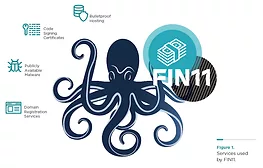
Mandiant Threat Intelligence researchers have identified FIN11, a financially-motivated hacking group behind bold, large and long-running malware campaigns. The hackers have expanded their range of targets the past two years while using increasingly aggressive ransomware attacks.
Ahead of Amazon Prime Day, a highly-anticipated two-day online event, Bolster Research analyzed hundreds of millions of web pages and tracked the number of new phishing and fraudulent sites using the Amazon brand and logos. T