Nominations are now being accepted for the 2019 Women in Biometrics Awards, co-founded by the Security Industry Association (SIA) and SecureIDNews and co-presented with sponsors IDEMIA and SIA’s Women in Security Forum.
The Security Industry Association (SIA) has selected the SIA Women in Security Forum as the recipient of the 2018 Chairman’s Award, which recognizes SIA members’ diligent efforts in furthering the SIA mission and overall commitment to the association’s future.
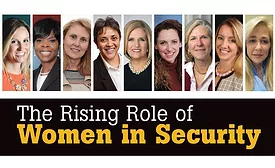
We spoke to nine female security leaders across the industry about mentorships, career paths, the security talent gap and how to foster diverse talent within an organization.
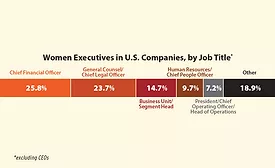
The roles women are filling within the C-Suite are largely legal or financial ones, which are less likely to lead to the CEO’s chair than more operations-focused roles, Pew Research says.
Although minority representation in cybersecurity is higher than the overall U.S. workforce (26 percent vs. 21 percent), these professionals are disproportionately in non-management roles.
Security professionals are tasked with addressing reputational risk as well as physical risk, but are our own departments and industry doing enough to avoid being a risk to the enterprise as a whole? It’s time to take a good, hard look at your workplace and ask if it is inclusive, supportive and fair.