Modern startups are awash in information, from real-time customer insights collected via mobile applications to employee data received through online portals. Founders are constantly making decisions about where to invest, when to hire, how to hire and, most importantly, how to grow. In the rush to cultivate clients and consider business scalability, many startups may fail to truly appreciate the immense responsibility that comes with gathering and storing data.
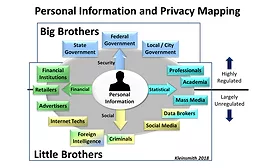
More and more, the news is filled with stories about how personal information is being used to benefit others. From revelations after Mark Zuckerberg’s pseudo mea culpa in front of Congress last month, to stories about fake news, identity theft, and how data mining is being used by political campaigns to understand the demographics and psychographics of potential voters, these Little Brothers are collecting massive amounts of personal data – all with our tacit consent.
The GDPR restricts how organizations can collect, use and retain personal data, and provides Europeans with certain rights to halt collection, and to obtain copies, correction and, at times, destruction of their data.
The famous countdown clock in Times Square has just ushered in 2018, but there’s another clock that’s ticking – the one that marks the coming of the European Union’s General Data Protection Regulation (GDPR). This new set of stringent rules governing data protection massively impacts organizations around the world. Is your enterprise prepared?
With concern for online data privacy at an all time high, a survey found that though many say online data privacy is “very important” to them, not everyone is taking necessary steps to protect themselves.
Traveling abroad with technology brings with it certain risks and may subject you to government surveillance in ways that are different from domestic travel. According to the FBI, you shouldn’t expect privacy in most countries outside the United States. Your data is less secure when you travel.