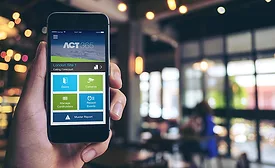
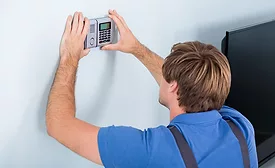
As many industries adopt IoT solutions for increased security, reduced costs and new opportunities, the buildings industry is looking to do the same by incorporating IoT and mobile functionality into a range of facilities, including around building security systems.
Innovations in cloud and mobile technologies have created more opportunities than ever for employees to work remotely, using devices of their choosing. But the flexibility of technology heterogeneity in the workplace isn’t without risk. As data becomes more accessible across a growing range of devices, the attack surface area also grows wider, raising the possibility of a potential data breach.
A new report from Verizon found that organizations across numerous industries compromised mobile data security because of speed to market priorities and a lack of threat awareness according to survey respondents.
Though there are big benefits to having a BYOD program, including boosting employee productivity and morale, as well as possible cost savings, security risks are a critical concern.
Access control providers continue to develop innovative new technologies that deliver greater value and control for end users, but technology is only one part of the access control story. Equally important is what happens before, during and after the sale, so that you get the most out of your access control system. What are the 10 things that you should demand and receive from your access control provider?
An analysis by Skycure of the patch updates among the five leading wireless carriers in the United States found that 71 percent of mobile devices still run on security patches more than two months old.
Cybersecurity experts recommend that smartphone owners take a number of steps to keep their mobile devices safe and secure. These include using a pass code to gain access to the phone, as well as regularly updating a phone’s apps and operating system. Many Americans, however, are not adhering to these best practices, according to a Pew Research Center report.