As 5G technology continues to be rolled out worldwide—providing latency of a mere 1 millisecond—it is critical that information security professionals become familiar with 5G system architecture and security architecture, as well as the risks that come with implementing new cellular technologies. ISACA’s new white paper, 5G Security: Addressing Risk and Threats of Mobile Network Technologies, explores these topics, and compares 5G technology with 4G and previous generation cellular technologies.
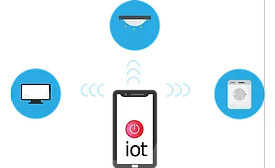
In spite of the fact that mobile apps live on IoT-enabled devices, collect user data, and continuously loop communication between Internet, cloud services and companies (even when not “in use”), there is a limited view that they are different entities altogether. We see this particularly when it comes to security – or lack-there-of – regarding security standards in place to continuously protect users from detrimental application hacks.
As organizations continue to adapt to life in the age of COVID-19, smartphones are set to take on additional responsibilities – even as the security limitations of these devices become ever more evident. Below, I’ve highlighted five key trends that are set to shape mobile security in 2021.
To close out the year, U.S. telecommunications giant T-Mobile announced it had been hacked. In a notice, the company said its cybersecurity team had discovered and shut down malicious, unauthorized access to some information related to T-Mobile accounts.
Relying on outdated fraud prevention and identification measures will no longer cut it, and businesses that don’t adapt will lag. As people continue to work, collaborate and socialize via their mobile devices, businesses must equip themselves with technology and tools that will prioritize fraud prevention. If not, companies risk losing their customers to those who have invested in more robust solutions.
Lookout, Inc. announced the discovery of Goontact, a new spyware targeting iOS and Android users in multiple Asian countries. Uncovered by the Lookout Threat Intelligence team, Goontact targets users of illicit sites and steals personal information stored on their mobile devices. Evidence shows these sextortion scams are affecting Chinese-, Japanese- and Korean-speaking people. Goontact may also be operating in Thailand and Vietnam. Lookout discovered evidence the campaign may have been active since 2018 and is still active today.
Mobile devices are part and parcel of today’s increasingly distributed workforce. Laptops, smartphones, and tablets are provisioned by enterprises to increase employee productivity, while providing flexibility to work remotely. But when the pandemic struck, security teams across industries were challenged by the unprecedented speed and scale of the shift. This disruption created great strain for IT security teams. Pair that with the increase in employee BYOD devices, already-overworked IT teams raced to ensure only authorized devices could connect to corporate assets.
The National Security Agency’s Research Directorate has announced it has selected “Spectre Attacks: Exploiting Speculative Execution” as the winner of its 8th Annual Best Cybersecurity Research Paper competition. Originally published at the 2019 IEEE Security & Privacy Symposium, the winning paper, in combination with Meltdown, another award-winning paper released earlier by the same researchers, launched a global effort to mitigate critical vulnerabilities in processors.
The UK's National Cyber Security Centre has issued an alert on the MobileIron remote code execution vulnerability. According to the alert, APT nation state groups and cybercriminals are exploiting this vulnerability to compromise the networks of UK organizations.
Lookout's newest Pharmaceutical Industry Threat Report shows attackers have turned to spear phishing campaigns to steal employees’ login data or deliver malicious payloads to their mobile devices to compromise the infrastructure of pharma companies.