Burlington International Airport (BTV) in Vermont has received a $14.5 million federal grant to expand the Airport’s terminal building and consolidate the two existing security checkpoints into one.
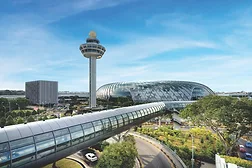
Singapore’s Changi Airport Group, one of the most innovative and technologically advanced airports in the world, will be upgrading and enhancing its security system.
The U.S. Centers for Disease Control and Prevention issued a mask mandate this weekend for all public transit — planes, trains and buses. In response, the U.S. Department of Homeland Security gave enforcement authority to TSA employees.
In a new crowdsourcing competition, the Transportation Security Administration (TSA), NASA Tournament Lab (NTL) and TechConnect Ventures will award a total of $215,000 to winners with ideas for the organization to increase security outcomes and operational capabilities.
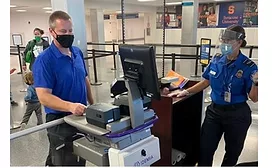
The Transportation Security Administration checkpoint at Syracuse Hancock International Airport is using new technology that confirms the validity of a traveler’s identification (ID) and reduces a touchpoint for airport agents.
Trenton-Mercer Airport (TTN) in New Jersey is conducting a full-scale emergency training exercise that will allow the organization to evaluate its emergency preparedness procedures.
The Federal Aviation Administration(FAA) will accept applications from airport sponsors through Dec. 17, 2020, under the Fiscal Year 2021 Military Airport Program (MAP). The MAP provides funding to help develop former military airports or designated joint-use military airfields for civilian use.
“The same risks that apply to any organization apply to a school system as well,” says John Clark, Director of Safety and Security for Loudoun County Public Schools (LCPS). “The difference is we’re dealing with kids. So, we must make our training age appropriate. We have to understand the audience at all times, but we still want the same outcome at the end of the day, which is a safe and secure environment.”