Our Lady of Perpetual Help Parish in Grove City, Ohio is comprised of seven buildings, which includes the church, preschool, elementary school, rectory, storage garage, athletic building and modular classrooms. With 28 exterior doors now encompassing the fully renovated church, school and preschool, the parish knew it was time for a substantial security upgrade.
One of China's most visited cultural sites: the Mausoleum of Qin Shihuangdi in the city of Xi'an needed a comprehensive security alarm upgrade. The site is visited by thousands of people each day and call for an unobtrusive, yet effective intrusion detection system that reliably alerts security staff to potential incidents, while still allowing tourists to see the integrity of the site.
Being responsible for making the right decision on your entrance solution can be a challenge. Not only is it a considerable initial financial investment, but also you are responsible for the safety and customer experience of the building occupants themselves.
So, all that being said, what do most security professionals consider the essentials for selection and installation of a security entrance? In this article we will discuss the top seven factors to consider when investing in a security entrance solution.
With increasingly sophisticated attacks on targets of opportunity, how can enterprises ensure they are doing everything possible to safeguard against cyber threats? Surprisingly, we can apply techniques used to fend off enemies throughout ancient history by emperors, warriors, and soldiers to our high-tech environments of today. Below, we’ll examine three civilizations’ decision making and how we can integrate their best practices into modern-day security strategies.
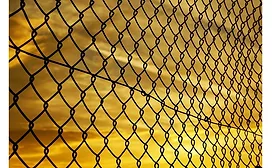
Among the top threats to businesses are theft of property, theft of data and workplace violence. When it comes to preventing these commonplace scenarios, a fence can be the first step to designing an effective access control program. By starting at the perimeter, entities can create a physical barrier that deters infiltration and denies entry. So, what kind of fencing offers an uncompromising solution? An astute option is a fence classified as high-security. Several factors determine whether a fence is considered high-security, including the material it’s made from, how it’s constructed and the features that the construction enables.
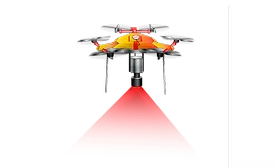
There are a number of factors to consider when assessing, planning, designing, deploying, and operating any airspace surveillance, and/or integrated ground and airspace security system. Many of the security process elements tip into sensor requirements and, as a recent Interagency Advisory helpfully noted, some of the sensors provide functionality that is itself illegal.
Under the contract, the Port will go through a threat assessment as well as review and update its strategic plan to mitigate pervasive and asymmetrical threats.