Here are some of the “front of mind” issues that senior security executives and the vendor ecosystem (consultants, integrators and technology providers) are wrestling with.
IT and telecommunications outages; cyber attacks; and loss of skilled employees are the top three causes of supply chain disruption, according to the Business Continuity Institute (BCI)’s ninth annual Supply Chain Resilience Report.
Counterfeit products make up five to seven percent of world trade, and have cost an estimated 2.5 million jobs worldwide, with 750,000 jobs lost in the U.S. alone. It’s an issue that Brad Minnis, Senior Director, Corporate Safety and Security for Juniper Networks, spends much time and effort to mitigate.
In 2016 global supply chains continued to face a range of security, social responsibility and business continuity risks, with many of the issues provoked by one another.
For the fifth year in a row, FORTUNE has named Ryder System, Inc. as one of the World’s Most Admired Companies and one of the leading five companies in the Trucking, Transportation, and Logistics industry.
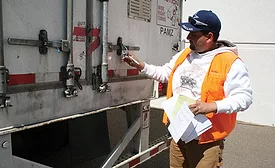
The top 10 U.S. counties where cargo theft incidents are reported was topped by Los Angeles County, with 329 thefts reported spanning July 1, 2013, through July 1, 2016.
Even brick and mortar companies are increasingly leveraging the internet and cloud services to expand their business. As traditional business models have changed to incorporate these resources, the security risks presented have evolved as well. In today’s world of digital business, the security risks faced by the majority of companies have largely shifted into the cyber realm.
The International Maritime Bureau (IMB) is asking shipping and maritime companies to be vigilant to the potential commercial impact that cyber attacks can cause.
According to a new study, 81 percent of IT professionals are confident in their ability to protect sensitive customer data. However, this assurance does not extend to their organization’s business partners.