Security Magazine logo
search
cart
facebook twitter linkedin youtube
  • Sign In
  • Create Account
  • Sign Out
  • My Account
Security Magazine logo
  • NEWS
    • Security Newswire
    • Technologies & Solutions
  • MANAGEMENT
    • Leadership Management
    • Enterprise Services
    • Security Education & Training
    • Logical Security
    • Security & Business Resilience
    • Profiles in Excellence
  • PHYSICAL
    • Access Management
    • Fire & Life Safety
    • Identity Management
    • Physical Security
    • Video Surveillance
    • Case Studies (Physical)
  • CYBER
    • Cybersecurity News
    • More
  • BLOG
  • COLUMNS
    • Career Intelligence
    • Cyber Tactics
    • Cybersecurity Education & Training
    • Leadership & Management
    • Security Talk
  • EXCLUSIVES
    • Annual Guarding Report
    • Most Influential People in Security
    • The Security Benchmark Report
    • Top Guard and Security Officer Companies
    • Top Cybersecurity Leaders
    • Women in Security
  • SECTORS
    • Arenas / Stadiums / Leagues / Entertainment
    • Banking/Finance/Insurance
    • Construction, Real Estate, Property Management
    • Education: K-12
    • Education: University
    • Government: Federal, State and Local
    • Hospitality & Casinos
    • Hospitals & Medical Centers
    • Infrastructure:Electric,Gas & Water
    • Ports: Sea, Land, & Air
    • Retail/Restaurants/Convenience
    • Transportation/Logistics/Supply Chain/Distribution/ Warehousing
  • EVENTS
    • Industry Events
    • Webinars
    • Solutions by Sector
    • Security 500 Conference
  • MEDIA
    • Interactive Spotlight
    • Photo Galleries
    • Podcasts
    • Polls
    • Videos
      • Cybersecurity & Geopolitical Discussion
      • Ask Me Anything (AMA) Series
  • MORE
    • Call for Entries
    • Classifieds & Job Listings
    • Continuing Education
    • Newsletter
    • Sponsor Insights
    • Store
    • White Papers
  • EMAG
    • eMagazine
    • This Month's Content
    • Advertise
  • SIGN UP!
CybersecurityManagementSecurity NewswireTechnologies & SolutionsCybersecurity News

Half of employees admit to opening emails they considered suspicious
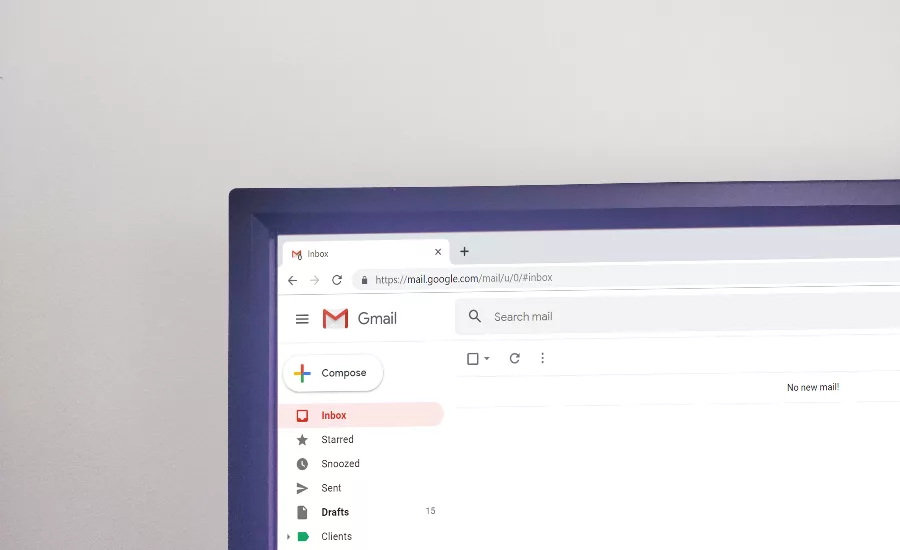
email
October 27, 2020

Mimecast Limited released new research which highlights the risky behavior of employees using company-issued devices. More than 1,000 respondents in countries throughout the globe were asked about their use of work devices for personal activities and how aware they are of today’s cyber risks. The results highlighted the need for better awareness training, as people are clicking on links or opening suspicious emails despite having been trained.

Earlier this year, an urgent request for IT teams across the globe was to ensure the efficient issuance of laptops and other computing devices to employees, as much of the workforce started working remote due to the novel coronavirus pandemic (COVID-19). A key priority for IT professionals was to then ensure their IT and security policies were ready for the rush to remote work.

The Blurring of Personal and Professional Life

Mimecast’s research found that 73% of respondents extensively use their company-issued device for personal matters, with nearly two-thirds (60%) admitting to an increase in frequency since starting to work remote. The most common activities were checking personal email (47%), carrying out financial transactions (38%) and online shopping (35%). According to the State of Email Security 2020 report, personal email and browsing the web/shopping online were already two areas of major concern for IT professionals. Seventy-three percent said there was a risk to checking personal email as the cause of a serious security mistake, and 69% thought surfing the web or online shopping could likely cause an incident.

Awareness Training Doesn’t Always Mean Correct Behavior

Encouragingly, 96% of respondents claim to be aware that links in email, on social media sites and on websites can potentially infect their devices. Sixty-four percent have even received special cybersecurity awareness training related to working from home during the pandemic. However, this doesn’t always translate into putting this knowledge into practice. Nearly half (45%) of survey respondents admitted to opening emails that they considered to be suspicious. The same percentage admitted to not reporting suspicious emails to their IT or security teams. The research also highlights themes of a strong disconnect in certain countries. The US and UAE both had the majority of respondents (78% and 81% respectively) stating that they’ve had special awareness training this year, yet 60% (USA) and 61% (UAE) still opened emails they considered to be suspicious.

“This research shows that while there is a lot of awareness training offered, most of training content and frequency is completely ineffective at winning the hearts and minds of employees to reduce today’s cyber security risks,” said Josh Douglas, vice president of threat intelligence. “Better training is crucial to avoid putting any organization at risk. Employees need to be engaged, and trainings need to be short, visual, relevant and include humour to make the message resonate. In fact, Mimecast has found that end-users who have taken Mimecast Awareness Training are 5.2 times less likely to click on dangerous links. Awareness training can’t be just another check-the-box activity if you want a security conscious organization.”

The Younger Generation Can Be an Organization’s Greatest Risk

Despite being the most tech savvy generation, younger workers may be putting organizations at greater risk. Surprisingly almost 60 percent of the 16-24 age group admitted to opening emails even though they looked suspicious. This group is also more guilty of blurring the lines between their business and personal usage of these devices. Seventy-nine percent of the 16-24 age group reported using their issued devices for personal use, while only 42% of the older - 55+ - group admitted the same.

“Security professionals need to ensure their organization isn’t growing more exposed as threats evolve to better target the unsuspecting,” commented Douglas. “With everyone’s home becoming their new office, classroom and place of residence, it’s not really a surprise that employees are using their company-issued devices for personal use. However, this is also a big opportunity for threat actors to target victims in new ways. We’ve seen attacks become more aggressive and the attack surface has expanded due to the new ‘WFH’ or hybrid work environments.” 

Respondents averaged 1.9 hours of personal activity on their work devices a day, with almost a quarter (22%) clocking more than 3 hours of non-work-related screen time.

The research also revealed how habits differ between males and females. Seventy-eight percent of men reported using their corporate device for personal business versus 65% of women.

KEYWORDS: cyber security email security remote work

Share This Story

Looking for a reprint of this article?
From high-res PDFs to custom plaques, order your copy today!

Recommended Content

JOIN TODAY
To unlock your recommendations.

Already have an account? Sign In

  • Iintegration and use of emerging tools

    Future Proof Your Security Career with AI Skills

    AI’s evolution demands security leaders master...
    Career Intelligence
    By: Jerry J. Brennan and Joanne R. Pollock
  • The 2025 Security Benchmark Report

    The 2025 Security Benchmark Report

    The 2025 Security Benchmark Report surveys enterprise...
    The Security Benchmark Report
    By: Rachelle Blair-Frasier
  • The Most Influential People in Security 2025

    Security’s Most Influential People in Security 2025

    Security Magazine’s 2025 Most Influential People in...
    Most Influential People in Security
    By: Security Staff
Manage My Account
  • Security Newsletter
  • eMagazine Subscriptions
  • Manage My Preferences
  • Online Registration
  • Mobile App
  • Subscription Customer Service

More Videos

Sponsored Content

Sponsored Content is a special paid section where industry companies provide high quality, objective, non-commercial content around topics of interest to the Security audience. All Sponsored Content is supplied by the advertising company and any opinions expressed in this article are those of the author and not necessarily reflect the views of Security or its parent company, BNP Media. Interested in participating in our Sponsored Content section? Contact your local rep!

close
  • critical event management
    Sponsored byEverbridge

    Why a Unified View Across IT, Continuity, and Security Makes or Breaks Crisis Response

  • Charlotte Star Room
    Sponsored byAMAROK

    In an Uncertain Economy, Security Is a Necessity - Not an Afterthought

  • Sureview screen
    Sponsored bySureView Systems

    The Evolution of Automation in the Command Center

Popular Stories

Cybersecurity trends of 2025

3 Top Cybersecurity Trends from 2025

Red laptop

Security Leaders Discuss SitusAMC Cyberattack

Green code

Logitech Confirms Data Breach, Security Leaders Respond

Neon human and android hands

65% of the Forbes AI 50 List Leaked Sensitive Information

The Louvre

After the Theft: Why Camera Upgrades Should Begin With a Risk Assessment

Top Cybersecurity Leaders

Events

September 18, 2025

Security Under Fire: Insights on Active Shooter Preparedness and Recovery

ON DEMAND: In today’s complex threat environment, active shooter incidents demand swift, coordinated and well-informed responses.

December 11, 2025

Responding to Evolving Threats in Retail Environments

Retail security professionals are facing an increasingly complex array of security challenges — everything from organized retail crime to evolving cyber-physical threats and public safety concerns.

View All Submit An Event

Products

Security Culture: A How-to Guide for Improving Security Culture and Dealing with People Risk in Your Organisation

Security Culture: A How-to Guide for Improving Security Culture and Dealing with People Risk in Your Organisation

See More Products

Related Articles

  • Person sits at desktop computer with code

    Over half of business owners admit to concealing a data breach

    See More
  • desk with laptop and phone

    13% of employees admit to falling for phishing attacks working at home

    See More
  • employee workplace

    Only 34% of organizations revoke system access to employees on the day they leave

    See More

Related Products

See More Products
  • 9780367221942.jpg

    From Visual Surveillance to Internet of Things: Technology and Applications

  • security culture.webp

    Security Culture: A How-to Guide for Improving Security Culture and Dealing with People Risk in Your Organisation

  • into to sec.jpg

    Introduction to Security, 10th Edition

See More Products
×

Sign-up to receive top management & result-driven techniques in the industry.

Join over 20,000+ industry leaders who receive our premium content.

SIGN UP TODAY!
  • RESOURCES
    • Advertise
    • Contact Us
    • Store
    • Want More
  • SIGN UP TODAY
    • Create Account
    • eMagazine
    • Newsletter
    • Customer Service
    • Manage Preferences
  • SERVICES
    • Marketing Services
    • Reprints
    • Market Research
    • List Rental
    • Survey/Respondent Access
  • STAY CONNECTED
    • LinkedIn
    • Facebook
    • YouTube
    • X (Twitter)
  • PRIVACY
    • PRIVACY POLICY
    • TERMS & CONDITIONS
    • DO NOT SELL MY PERSONAL INFORMATION
    • PRIVACY REQUEST
    • ACCESSIBILITY

Copyright ©2025. All Rights Reserved BNP Media.

Design, CMS, Hosting & Web Development :: ePublishing