Security Magazine logo
search
cart
facebook twitter linkedin youtube
  • Sign In
  • Create Account
  • Sign Out
  • My Account
Security Magazine logo
  • NEWS
    • Security Newswire
    • Technologies & Solutions
  • MANAGEMENT
    • Leadership Management
    • Enterprise Services
    • Security Education & Training
    • Logical Security
    • Security & Business Resilience
    • Profiles in Excellence
  • PHYSICAL
    • Access Management
    • Fire & Life Safety
    • Identity Management
    • Physical Security
    • Video Surveillance
    • Case Studies (Physical)
  • CYBER
    • Cybersecurity News
    • More
  • BLOG
  • COLUMNS
    • Career Intelligence
    • Cyber Tactics
    • Cybersecurity Education & Training
    • Leadership & Management
    • Security Talk
  • EXCLUSIVES
    • Annual Guarding Report
    • Most Influential People in Security
    • The Security Benchmark Report
    • Top Guard and Security Officer Companies
    • Top Cybersecurity Leaders
    • Women in Security
  • SECTORS
    • Arenas / Stadiums / Leagues / Entertainment
    • Banking/Finance/Insurance
    • Construction, Real Estate, Property Management
    • Education: K-12
    • Education: University
    • Government: Federal, State and Local
    • Hospitality & Casinos
    • Hospitals & Medical Centers
    • Infrastructure:Electric,Gas & Water
    • Ports: Sea, Land, & Air
    • Retail/Restaurants/Convenience
    • Transportation/Logistics/Supply Chain/Distribution/ Warehousing
  • EVENTS
    • Industry Events
    • Webinars
    • Solutions by Sector
    • Security 500 Conference
  • MEDIA
    • Interactive Spotlight
    • Photo Galleries
    • Podcasts
    • Polls
    • Videos
      • Cybersecurity & Geopolitical Discussion
      • Ask Me Anything (AMA) Series
  • MORE
    • Call for Entries
    • Classifieds & Job Listings
    • Continuing Education
    • Newsletter
    • Sponsor Insights
    • Store
    • White Papers
  • EMAG
    • eMagazine
    • This Month's Content
    • Advertise
  • SIGN UP!
CybersecurityCybersecurity News

Applying Security Across Heterogeneous IT Systems

By Steve Ryan
cyber7-900px.jpg
December 23, 2019

Do I patch my system in the name of security, or do I leave it unpatched to enable critical operations and business functions?

Heeding CIO or CISO advice to patch systems and update information technology (IT) as soon as an update is available is a best practice that will help secure systems against most known threats and vulnerabilities before they can be exploited. However, there are times when you simply cannot avoid maintaining legacy IT. How does one choose between security and operations? Incident response will only get you so far. Adopting an adversary disruption strategy becomes a critical element of any security posture for heterogeneous IT systems. Getting in the adversary’s way means that you don’t always have to choose – you can have both.

The Legacy Dilemma

IT ecosystems change and evolve over time, but their functions usually remain constant. Critical functionality often centers on connectivity between IT and more expensive assets. Take the example of a weapons system built to communicate with an early version of Microsoft Windows. While the outdated operating system is vulnerable to exploitation, updating the IT would require an expensive interface retrofit or even replacement of the entire weapons system at a huge cost.

This legacy dilemma affects large-scale, expensive functionality most acutely. Machines in manufacturing operations or critical systems for municipalities tied to obsolete software can prove too costly to replace. Even more common is payroll software running on old operating systems or obsolete and unsupported software.

Other Compatibility Challenges

Many endpoint security products only operate on the most recent Windows operating systems and are not designed to protect systems that use other operating systems. Nor can they defend other IT infrastructure, like modems or routers. In these circumstances, the network’s firewall assumes even greater responsibility for blocking attackers before they can reach individually unprotected computers or devices. Unfortunately, firewall access control lists can wreak havoc on legitimate communications paths used by legacy systems. In addition, firewalls can be susceptible to control by the adversary, completely compromising unprotected endpoints.

Often, larger corporations inherit distinct IT infrastructures from each firm incorporated into the whole through mergers and acquisitions. This creates a patchwork system incompatible with a common endpoint defense. Those companies embracing Internet of Things (IoT) substantially increase the number of network endpoints and also introduce riskier technology. Current IoT devices simply lack the processing power to perform even basic security measures and rely entirely on extra-device measures.

Endpoint security and the use of firewalls are critical and should remain staples in any cybersecurity protocol. The problem, however, is that these measures treat the cyber threat like an inevitable force of nature against which victims are powerless. Incident response and recovery is as passive as preparing for and enduring a storm – yet the cyber threat bears no resemblance to weather. Instead, it is created by an adversary who has an objective, a set of tools, and a level of knowledge. If a malicious hacker has you in his sights, you can passively hunker down, or you can proactively get in his way.

Understanding the Adversary’s Playbook

Adversaries routinely capitalize on unevenly defended networks and known vulnerabilities of common applications and operating systems. A month after Microsoft released an unprecedented patch for Windows XP, The Shadow Brokers published a set of tools that exploited the weaknesses in how Windows XP uses the Server Message Block protocol. Shortly after, the WannaCry ransomware attack and devastating NotPetya attack affected hundreds of thousands of Windows XP systems that had not upgraded, at an estimated worldwide cost of between $14 billion and $18 billion. Some systems remain exposed to this threat today.

This is a classic example of why relying on patch management alone is a failing and costly strategy. Heterogeneous or legacy-bound systems require a strategy for actively disrupting cyberattacks when installing a patch will take time and could hinder important functionality. Likewise, homogeneous networks require the same strategy for defense before a patch can be installed.

One example of this adversary-focused approach is a strategy my team and I developed for protecting the Department of Defense networks against the Heartbleed vulnerability. After a researcher published a method of getting target systems to spew data from memory, teams across the cybersecurity space acted quickly to spread word of the vulnerability. By contrast, my team used the attempt at exploiting these vulnerable systems to identify those systems and neutralize the incoming threats to vulnerable devices until an upgrade could take place. In short, we interfered with the adversary’s attacks and used their methods to benefit us.

Exploiting adversary methodology offers a critical strategy for protecting uneven defenses and networks in need of an upgrade. Every adversary must complete a series of actions in sequence to attempt an attack. Rather than simply blocking an adversary based on simple indicators of compromise (IOCs) or even next generation firewall rules, why not disrupt the adversary’s methodology? And if you can, use the adversary’s methodology to your favor? Cybersecurity professionals can not only increase adversary work factor but can also decrease their operational expenses by reducing the number of incidents to respond to.

 
KEYWORDS: cyber security cybersecurity IT security operating system

Share This Story

Looking for a reprint of this article?
From high-res PDFs to custom plaques, order your copy today!


Steve head shot1
Steve Ryan is Co-founder and Chief Executive Officer of Trinity Cyber, Inc., a disruptive technology company fundamentally redefining commercial cybersecurity. A recognized leader in cybersecurity, Ryan left the National Security Agency in 2016 as the Deputy Director of its Threat Operations Center after a distinguished 32-year career as a custom chip designer and cybersecurity operator. Ryan excels in leading special projects and challenging the status quo to develop unique solutions to the world’s most complex problems.

Recommended Content

JOIN TODAY
To unlock your recommendations.

Already have an account? Sign In

  • Iintegration and use of emerging tools

    Future Proof Your Security Career with AI Skills

    AI’s evolution demands security leaders master...
    Career Intelligence
    By: Jerry J. Brennan and Joanne R. Pollock
  • The 2025 Security Benchmark Report

    The 2025 Security Benchmark Report

    The 2025 Security Benchmark Report surveys enterprise...
    The Security Benchmark Report
    By: Rachelle Blair-Frasier
  • The Most Influential People in Security 2025

    Security’s Most Influential People in Security 2025

    Security Magazine’s 2025 Most Influential People in...
    Most Influential People in Security
    By: Security Staff
Manage My Account
  • Security Newsletter
  • eMagazine Subscriptions
  • Manage My Preferences
  • Online Registration
  • Mobile App
  • Subscription Customer Service

More Videos

Sponsored Content

Sponsored Content is a special paid section where industry companies provide high quality, objective, non-commercial content around topics of interest to the Security audience. All Sponsored Content is supplied by the advertising company and any opinions expressed in this article are those of the author and not necessarily reflect the views of Security or its parent company, BNP Media. Interested in participating in our Sponsored Content section? Contact your local rep!

close
  • critical event management
    Sponsored byEverbridge

    Why a Unified View Across IT, Continuity, and Security Makes or Breaks Crisis Response

  • Charlotte Star Room
    Sponsored byAMAROK

    In an Uncertain Economy, Security Is a Necessity - Not an Afterthought

  • Sureview screen
    Sponsored bySureView Systems

    The Evolution of Automation in the Command Center

Popular Stories

Cybersecurity trends of 2025

3 Top Cybersecurity Trends from 2025

Red laptop

Security Leaders Discuss SitusAMC Cyberattack

Green code

Logitech Confirms Data Breach, Security Leaders Respond

Neon human and android hands

65% of the Forbes AI 50 List Leaked Sensitive Information

The Louvre

After the Theft: Why Camera Upgrades Should Begin With a Risk Assessment

Top Cybersecurity Leaders

Events

September 18, 2025

Security Under Fire: Insights on Active Shooter Preparedness and Recovery

ON DEMAND: In today’s complex threat environment, active shooter incidents demand swift, coordinated and well-informed responses.

December 11, 2025

Responding to Evolving Threats in Retail Environments

Retail security professionals are facing an increasingly complex array of security challenges — everything from organized retail crime to evolving cyber-physical threats and public safety concerns.

View All Submit An Event

Products

Security Culture: A How-to Guide for Improving Security Culture and Dealing with People Risk in Your Organisation

Security Culture: A How-to Guide for Improving Security Culture and Dealing with People Risk in Your Organisation

See More Products

Related Articles

  • critical event management

    Why a Unified View Across IT, Continuity, and Security Makes or Breaks Crisis Response

    See More
  • cyber security network

    Best practices in applying MITRE ATT&CK to your organizational security

    See More
  • The Long and Winding Road to Cyber Recovery

    NSA and CISA recommend immediate actions to reduce exposure across operational technologies and control systems

    See More

Related Products

See More Products
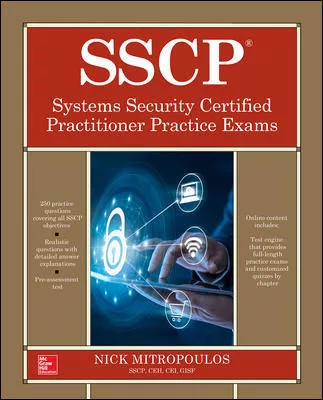
  • SSCP.jpg

    SSCP Systems Security Certified Practitioner Practice Exams

  • intelligent.jpg

    Intelligent Network Video: Understanding Modern Video Surveillance Systems, Second Edition

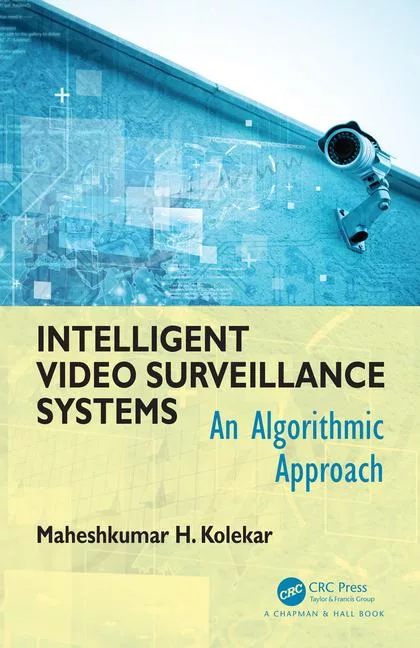
  • 9781498767118.jpg

    Intelligent Video Surveillance Systems: An Algorithmic Approach

See More Products

Events

View AllSubmit An Event
  • October 22, 2012

    Industrial Control Systems Cyber-Security Conference

    ICS Cyber-Security is the conference where industrial control systems users, ICS vendors, system security providers and government representatives meet to discuss the latest cyber-incidents, analyze their causes and cooperate on solutions.
View AllSubmit An Event
×

Sign-up to receive top management & result-driven techniques in the industry.

Join over 20,000+ industry leaders who receive our premium content.

SIGN UP TODAY!
  • RESOURCES
    • Advertise
    • Contact Us
    • Store
    • Want More
  • SIGN UP TODAY
    • Create Account
    • eMagazine
    • Newsletter
    • Customer Service
    • Manage Preferences
  • SERVICES
    • Marketing Services
    • Reprints
    • Market Research
    • List Rental
    • Survey/Respondent Access
  • STAY CONNECTED
    • LinkedIn
    • Facebook
    • YouTube
    • X (Twitter)
  • PRIVACY
    • PRIVACY POLICY
    • TERMS & CONDITIONS
    • DO NOT SELL MY PERSONAL INFORMATION
    • PRIVACY REQUEST
    • ACCESSIBILITY

Copyright ©2025. All Rights Reserved BNP Media.

Design, CMS, Hosting & Web Development :: ePublishing