Security Magazine logo
search
cart
facebook twitter linkedin youtube
  • Sign In
  • Create Account
  • Sign Out
  • My Account
Security Magazine logo
  • NEWS
    • Security Newswire
    • Technologies & Solutions
  • MANAGEMENT
    • Leadership Management
    • Enterprise Services
    • Security Education & Training
    • Logical Security
    • Security & Business Resilience
    • Profiles in Excellence
  • PHYSICAL
    • Access Management
    • Fire & Life Safety
    • Identity Management
    • Physical Security
    • Video Surveillance
    • Case Studies (Physical)
  • CYBER
    • Cybersecurity News
    • More
  • BLOG
  • COLUMNS
    • Career Intelligence
    • Cyber Tactics
    • Cybersecurity Education & Training
    • Leadership & Management
    • Security Talk
  • EXCLUSIVES
    • Annual Guarding Report
    • Most Influential People in Security
    • The Security Benchmark Report
    • Top Guard and Security Officer Companies
    • Top Cybersecurity Leaders
    • Women in Security
  • SECTORS
    • Arenas / Stadiums / Leagues / Entertainment
    • Banking/Finance/Insurance
    • Construction, Real Estate, Property Management
    • Education: K-12
    • Education: University
    • Government: Federal, State and Local
    • Hospitality & Casinos
    • Hospitals & Medical Centers
    • Infrastructure:Electric,Gas & Water
    • Ports: Sea, Land, & Air
    • Retail/Restaurants/Convenience
    • Transportation/Logistics/Supply Chain/Distribution/ Warehousing
  • EVENTS
    • Industry Events
    • Webinars
    • Solutions by Sector
    • Security 500 Conference
  • MEDIA
    • Interactive Spotlight
    • Photo Galleries
    • Podcasts
    • Polls
    • Videos
      • Cybersecurity & Geopolitical Discussion
      • Ask Me Anything (AMA) Series
  • MORE
    • Call for Entries
    • Classifieds & Job Listings
    • Newsletter
    • Sponsor Insights
    • Store
    • White Papers
  • EMAG
    • eMagazine
    • This Month's Content
    • Advertise
  • SIGN UP!
Security Education & TrainingCybersecurity News

Human Error, We Meet Again

Are Employees the Weakest Link in the Fight Against Cyber Vulnerabilities?
By Rishi Bhargava
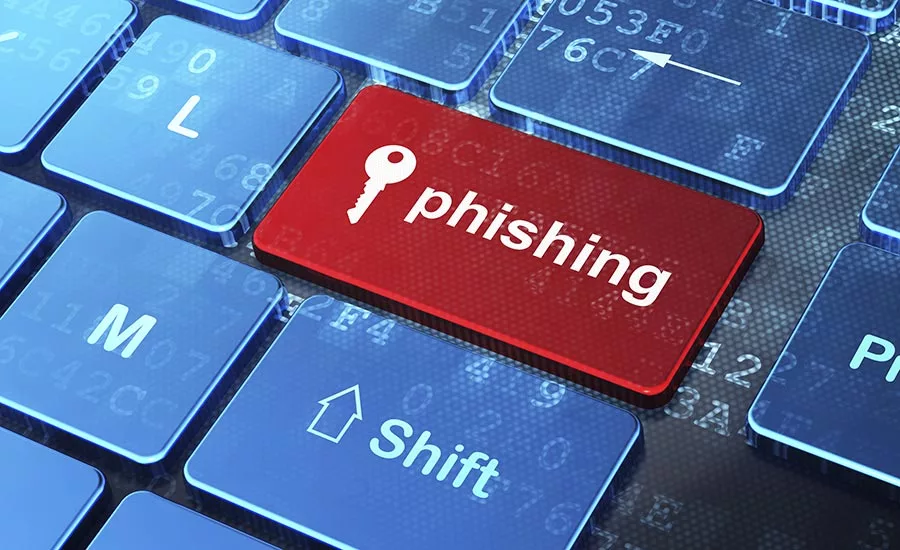
phishing
December 6, 2018

For all the hundreds of firewall rules and network protocols that your security staff may put in place to better safeguard your network, sometimes there’s simply no accounting for the most unpredictable variable of them all: human behavior.

Whether it be through social engineering techniques, bad actors within your own organization, or simple human error, hackers around the world are trained on how to take advantage of a company’s employees and staff in order to gain access to a protected network.


How Employees Become the Weakest Link

“Only amateurs attack machines; professionals target people.” This quote, first coined by famous cryptographer Bruce Schneier in 2000, gets to the root of the problem that many security professionals face in today’s cybersecurity climate. According to the Cyber Risk Culture Survey released by Willis Towers Watson, upwards of 90% of all successful corporate cyberattacks in 2017 could be attributed back to employee error.

Another report released by the cybersecurity firm Dtex Systems estimates that roughly 95% of companies have employees who will attempt to override previously implemented security measures. These kinds of statistics suggest that no matter how hard your network security staff may work to harden the digital barriers to your internal network, ultimately it is the company’s own workers that often prove to be the greatest risk of all.

These security lapses are not always as a result of malicious intent on behalf of the employees, but rather due to their ignorance on the proper ways to protect both themselves and their corporate network while connected to the web.

That said, according to the 2016 Cyber Security Intelligence Index, IBM found that 60% of all major attacks on corporations that year were carried out by insiders, and of those roughly 75% involved malicious intent, while only 25% were the result of reckless employee practices.

So, what is the best way that a company can account for both unintentional human errors, while also remaining vigilant against the threat posed by compromised internal staff?


What Companies Can Do to Mitigate the Problem

Enforcing employee training and implementing proper vetting protocols are the key to mitigating employee-related security issues. By thoroughly vetting employees before they’re hired (especially so in the case of security staff), companies can more effectively plug one of the largest security holes – malicious actors within the company – off at the source.

Similarly, creating efficient training protocols to help non-security employees get up to speed on the risks they face and responsibilities they share in ensuring corporate security is just as important. This way a company can ensure that their network is protected from both intentional and unintentional attacks that may come as a result of human error.

In a more tangible sense, here are some more common techniques that will help a company better protect its data from external and internal threats:

  • Use Smart Employee Emailing Protocols: Many hackers will attempt to hijack the identities of senior staff within a company in order to impersonate them in emails to other employees. They’ll send an infected or malicious email using the manager’s own address, with the expectation that other departments won’t question the validity of the email’s request or any attachments within it. Employees can fight against this by always replying to suspicious requests with a fresh message sent outside of the original chain. This can alert the manager to any potential breaches of their account, and allow network security staff to fix the issue before it has a chance to cause any significant damage.
  • Use Analytics to Predict Employee Behavior: In the age of AI and machine learning, computer systems are getting better than ever at figuring out that most humans – despite how unique we may think we are – generally work in a series of patterns and habits. Using analytics and machine learning to detect anomalies in employee behavior, security staff can be alerted to potential threats earlier, allowing them to react to threats faster.
  • Know Your Biggest Potential Security Holes: Finally, a company should perform regular audits of their security systems and keep track of areas where threats appear the most. By understand which business units are consistently being exploited, upper management can delegate their security personnel to devote more time to ensuring that these departments are better trained, secured and vetted for any employee mistakes that may come up.


Closing Thoughts

Even in an age where employees are more aware of the threat that the web can pose than ever, there’s never going to be a perfect company where every staff member can be considered a security expert.

Therefore, it’s vital that companies take a proactive approach in vetting and training every member of their staff on the risks that the Internet can pose, and inform them on how they can be more vigilant in their day to day life to prevent an attack that may be lurking in the shadows.

KEYWORDS: phishing risk mitigation security awareness security risk management

Share This Story

Looking for a reprint of this article?
From high-res PDFs to custom plaques, order your copy today!

Rishi Bhargava is Co-founder at Demisto, a cybersecurity startup with the mission to make security operations “faster, leaner and smarter.” Prior to founding Demisto, Bhargava was Vice President and General Manager of the Software Defined Datacenter Group at Intel Security. A visionary and technology enthusiast, he was responsible for delivering Intel integrated Security Solutions for datacenters. Before Intel, Bhargava was Vice President of Product Management for Datacenter and Server security products at McAfee, now part of Intel Security. As an entrepreneur at McAfee, he launched multiple products to establish McAfee leadership in risk & compliance, virtualization and cloud security. Bhargava has more than a dozen patents in the area of Computer Security. He holds a B.S. in Computer Science from Indian Institute of Technology, New Delhi and a Masters in Computer Science from University of Southern California, Los Angeles. Bhargava is passionate about new technologies and industry trends and serves as an active advisor to multiple startups in Silicon Valley and India.

Recommended Content

JOIN TODAY
To unlock your recommendations.

Already have an account? Sign In

  • Cyber tech background

    Security’s Top Cybersecurity Leaders 2026

    Security magazine’s Top Cybersecurity Leaders 2026 award...
    Cybersecurity
  • Iintegration and use of emerging tools

    Future Proof Your Security Career with AI Skills

    AI’s evolution demands security leaders master...
    Columns
    By: Jerry J. Brennan and Joanne R. Pollock
  • The 2025 Security Benchmark Report

    The 2025 Security Benchmark Report

    The 2025 Security Benchmark Report surveys enterprise...
    The Security Benchmark Report
    By: Rachelle Blair-Frasier
Manage My Account
  • Security Newsletter
  • eMagazine Subscriptions
  • Manage My Preferences
  • Online Registration
  • Mobile App
  • Subscription Customer Service

More Videos

Popular Stories

Trophy and soccer ball

Security Experts Discuss Threats to FIFA World Cup 2026

Soccer stadium

How the Current Iran-US Conflict May Impact World Cup Security

Neighborhood

Residential AI Data Centers: Security, Privacy, and Governance Concerns

Colorful laptop

Organizations Think They Know Who’s Visiting Their Sites. They Don’t.

Construction

Texas Tech University Constructing Critical Infrastructure Security Site

SEC 2026 Benchmark Banner

Events

July 8, 2026

The 2026 Security Maturity Benchmark Report: Insights From Senior Security Leaders

LIVE: July 8, 2026 at 2 pm EDT In this webinar, speakers will share key insights from the report, including why today’s threat environment demands greater maturity and how to evaluate your organization’s current security posture.

View All Submit An Event

Products

Security Culture: A How-to Guide for Improving Security Culture and Dealing with People Risk in Your Organisation

Security Culture: A How-to Guide for Improving Security Culture and Dealing with People Risk in Your Organisation

See More Products


Alertmedia sponsored webinar

Related Articles

  • SEC_Web_5Minutes-Yogman-1221_1170x658.jpg

    5 minutes with Jann Yogman: The cure for human error? Comedy.

    See More
  • Vector graphic man sitting at computer

    Human error and insider threats: Resilience in IT

    See More
  • artificial intelligence AI graphic

    Minimizing data breaches from human error with randomized re-representations

    See More
×

Sign-up to receive top management & result-driven techniques in the industry.

Join over 20,000+ industry leaders who receive our premium content.

SIGN UP TODAY!
  • RESOURCES
    • Advertise
    • Contact Us
    • Store
    • Want More
  • SIGN UP TODAY
    • Create Account
    • eMagazine
    • Newsletter
    • Customer Service
    • Manage Preferences
  • SERVICES
    • Marketing Services
    • Reprints
    • Market Research
    • List Rental
    • Survey/Respondent Access
  • STAY CONNECTED
    • LinkedIn
    • Facebook
    • YouTube
    • X (Twitter)
  • PRIVACY
    • PRIVACY POLICY
    • TERMS & CONDITIONS
    • DO NOT SELL MY PERSONAL INFORMATION
    • PRIVACY REQUEST
    • ACCESSIBILITY

Copyright ©2026. All Rights Reserved BNP Media, Inc. and BNP Media II, LLC.

Design, CMS, Hosting & Web Development :: ePublishing